
Private label activewear has become one of the fastest ways for new fitness brands to enter the market. Instead of developing products from scratch, brands can launch faster by working with a private label activewear manufacturer.
From my experience working with fitness apparel startups, private label is often the smartest starting point—especially for brands with limited budgets or tight timelines.
In this guide, I’ll explain how private label activewear manufacturing works, what brands should expect, and how to choose the right supplier.
Table of Contents
- Quick Answer
- What Is Private Label Activewear?
- How Private Label Manufacturing Works
- Benefits for Fitness Brands
- Private Label vs Custom Manufacturing
- What Can Be Customized
- Costs and MOQ Explained
- How to Choose the Right Manufacturer
- FAQ
- Conclusion
Quick Answer
A private label activewear manufacturer produces ready-made fitness apparel that brands can customize with logos, colors, and packaging, allowing faster and lower-cost product launches.
What Is Private Label Activewear?
Private label activewear refers to pre-designed fitness clothing that brands sell under their own name.
Typical products include:
- leggings
- sports bras
- gym shorts
- training tops
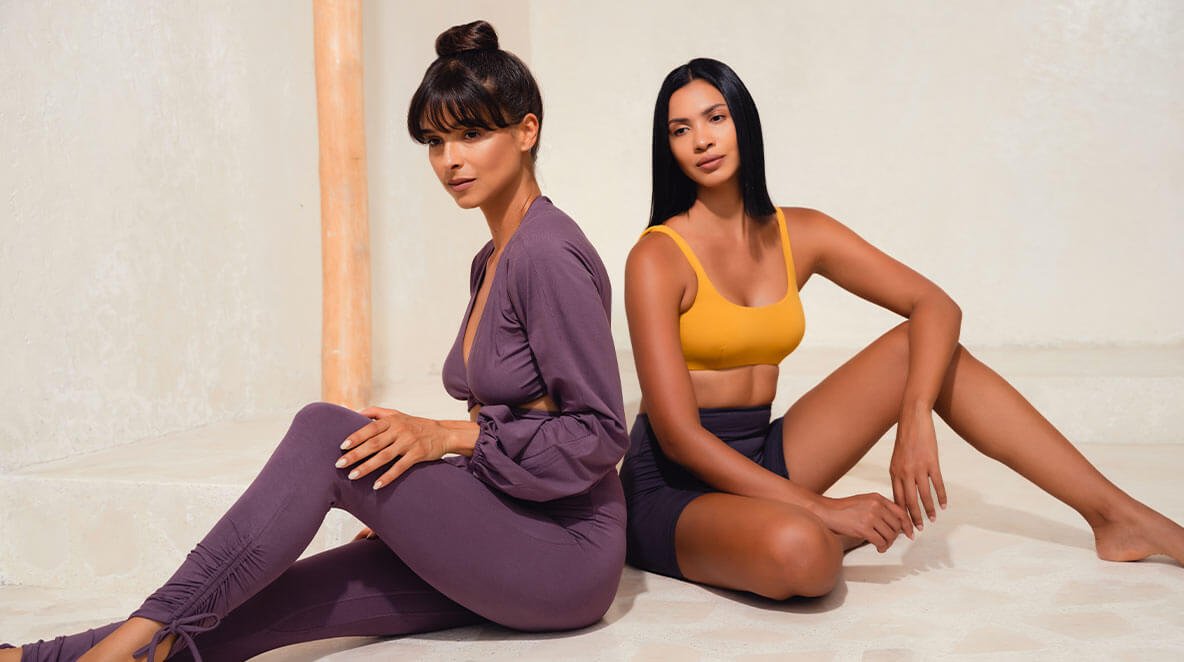
Major brands like Nike develop custom products, but many smaller brands start with private label to reduce risk.
How Private Label Manufacturing Works
Private label production is simpler than full custom manufacturing.
Typical Process
- choose existing styles
- select colors and fabrics
- add logo and branding
- request samples
- place bulk order
👉 Custom Gym Wear Manufacturer
Working with experienced manufacturers ensures smoother production and better results.
Benefits for Fitness Brands
From my experience, private label offers several advantages.
Key Benefits
| Benefit | Explanation |
|---|---|
| faster launch | skip product development |
| lower cost | no pattern creation |
| reduced risk | tested designs |
| flexible branding | customize logos and packaging |
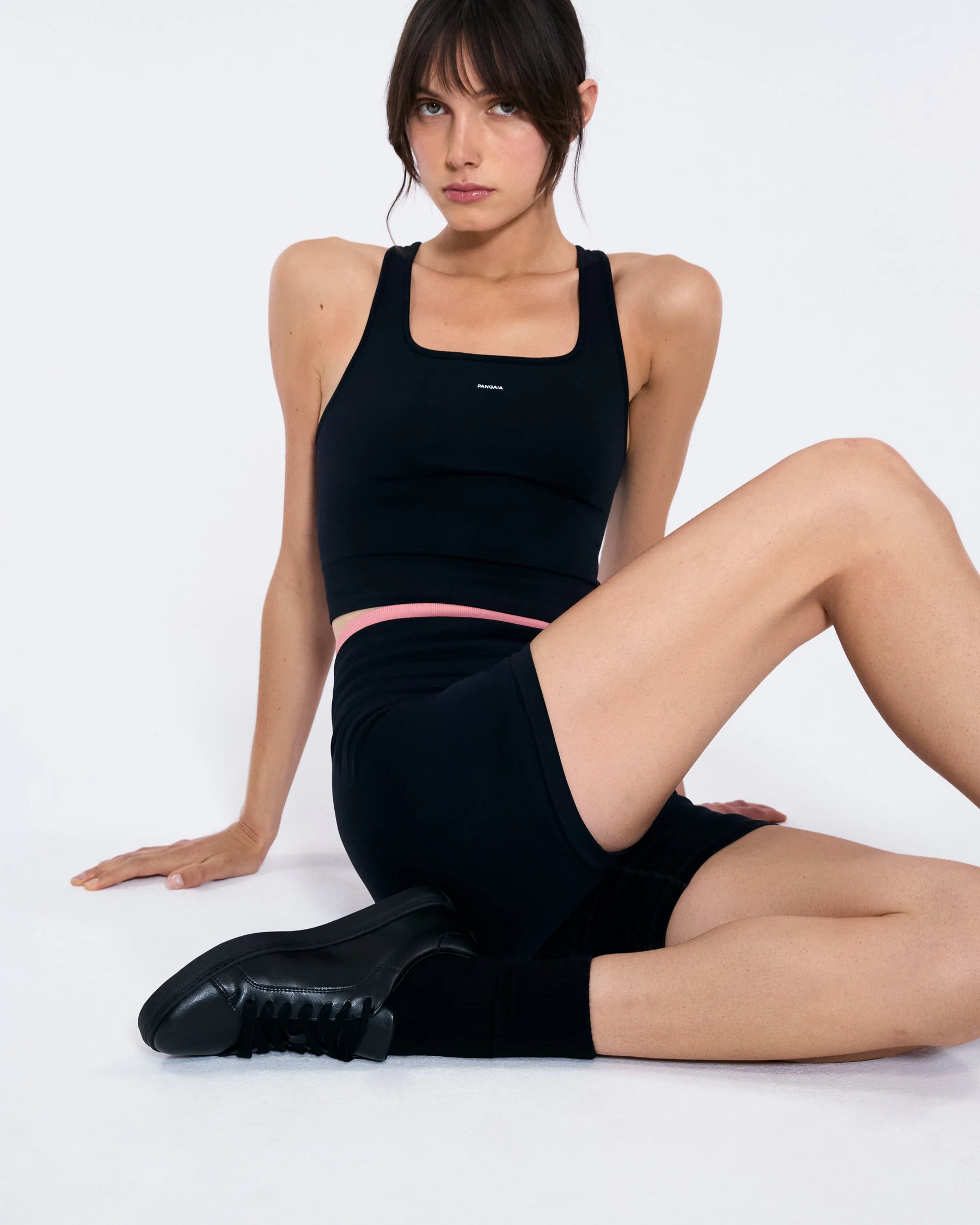
Brands like Gymshark initially focused on simple product lines before expanding.
Private Label vs Custom Manufacturing
Understanding the difference helps brands choose the right strategy.
| Feature | Private Label | Custom Manufacturing |
|---|---|---|
| design | existing | fully custom |
| cost | lower | higher |
| speed | faster | slower |
| uniqueness | limited | high |
Private label is ideal for startups, while custom manufacturing suits established brands.
What Can Be Customized
Even with private label, brands can still customize key elements.
Customization Options
- logos (print or embroidery)
- labels and tags
- colors
- packaging
Premium brands like Lululemon invest heavily in customization and branding to differentiate their products.
Costs and MOQ Explained
Private label manufacturing is generally more affordable.
Cost Factors
| Factor | Impact |
|---|---|
| order quantity | affects price |
| fabric quality | impacts cost |
| customization | increases cost |
Typical MOQ
- 50–200 pieces per style
- varies by manufacturer
According to Statista, the demand for affordable and functional activewear continues to grow globally.
How to Choose the Right Manufacturer
Choosing the right supplier is critical.
Key Criteria
| Factor | Importance |
|---|---|
| experience in activewear | essential |
| sample quality | critical |
| MOQ flexibility | startup-friendly |
| communication | long-term success |
A reliable partner helps you scale your brand efficiently.
FAQ
What is private label activewear?
It is pre-designed fitness clothing customized with your brand identity.
Is private label good for startups?
Yes, it allows faster launch with lower investment.
Can I fully customize private label products?
You can customize branding and colors, but not the base design.
What is the MOQ for private label activewear?
Typically 50–200 pieces per style.
Conclusion
Private label activewear manufacturing is one of the most efficient ways to start a fitness brand.
From my experience, brands that succeed with private label focus on:
- strong branding
- reliable manufacturers
- gradual product expansion
If you want to enter the activewear market quickly and efficiently, private label is a smart strategy.
The right partner will help you launch faster and scale your business successfully.

