
Table of Contents
- Quick Answer
- Why OEM Gym Leggings Are Harder Than They Look
- My Experience Developing OEM Gym Leggings
- Fabric Choices Explained: Performance vs Cost
- Fit Engineering: What Actually Affects Comfort
- OEM Cost Breakdown: Where Your Money Goes
- Top OEM Gym Leggings Manufacturers (With Links)
- Comparison Table
- How to Choose the Right OEM Supplier
- FAQs
- Work With Fukigymwear
Quick Answer
If you’re sourcing OEM gym leggings, three factors decide success or failure:
fabric performance, fit engineering, and real production cost control.
From my experience, most brands over-focus on fabric names and under-focus on how fabric, pattern, and construction work together. This article breaks down each element so you can make decisions that actually reduce returns and increase reorders.
Why OEM Gym Leggings Are Harder Than They Look
Gym leggings appear simple, but they are one of the highest-risk OEM products in activewear.
Common problems I see:
- “Same fabric, different fit” across batches
- Leggings that look fine standing but fail during squats
- Waistbands rolling after 3–5 washes
- Cost increases that appear after sampling
OEM leggings fail not because of design — but because the manufacturing fundamentals weren’t controlled early.
My Experience Developing OEM Gym Leggings
I’ve worked with brands producing:
- Training leggings
- Yoga leggings
- High-compression gym tights
- Athleisure crossover leggings
Across all of them, the same lesson repeats:
Fabric alone does not define quality.
Fit + construction define whether customers reorder or refund.
Once brands understand this, their development timeline shortens and QC issues drop significantly.
Fabric Choices Explained: Performance vs Cost
Here’s how I explain leggings fabric to brand owners in simple terms:
| Fabric Type | Feel | Performance | Cost Level | Best Use |
|---|---|---|---|---|
| Nylon + Spandex | Smooth, premium | High stretch & recovery | $$$ | Training / premium |
| Polyester + Elastane | Slightly firmer | Durable, sweat-wicking | $$ | Entry to mid-range |
| Seamless Knit | Soft, uniform | Moderate support | $$–$$$ | Studio / lifestyle |
| Brushed Fabric | Soft touch | Comfort-focused | $$ | Athleisure |
Key rule:
If stretch recovery is weak, no pattern can fix it later.
Fit Engineering: What Actually Affects Comfort
Fit issues are the #1 reason leggings are returned.
Critical fit areas I always review:
- Waist rise (front vs back balance)
- Crotch depth and curve
- Thigh tension distribution
- Knee shaping
- Ankle opening stability
Good leggings should:
- Stay opaque during squats
- Stay in place during movement
- Apply even compression without pressure points
This comes from pattern engineering, not size charts.
OEM Cost Breakdown: Where Your Money Goes
Here’s a realistic breakdown of OEM gym leggings cost:
| Cost Component | Typical Share |
|---|---|
| Fabric | 45–55% |
| Sewing & Labor | 18–25% |
| Trims & Waistband | 5–8% |
| Sampling & Development | 5–10% |
| QC & Packing | 3–6% |
| Factory Margin | 8–12% |
Important insight:
Trying to “save money” by lowering fabric quality usually increases returns and damages brand trust.
Top OEM Gym Leggings Manufacturers (With Links)
1. Fukigymwear – Performance Activewear OEM

Specializes in OEM gym leggings with fabric testing, fit development, and private label services.
Best for: Brands that want performance-focused leggings with controlled MOQs.
2. Activewear Manufacturer – Private Label Supplier
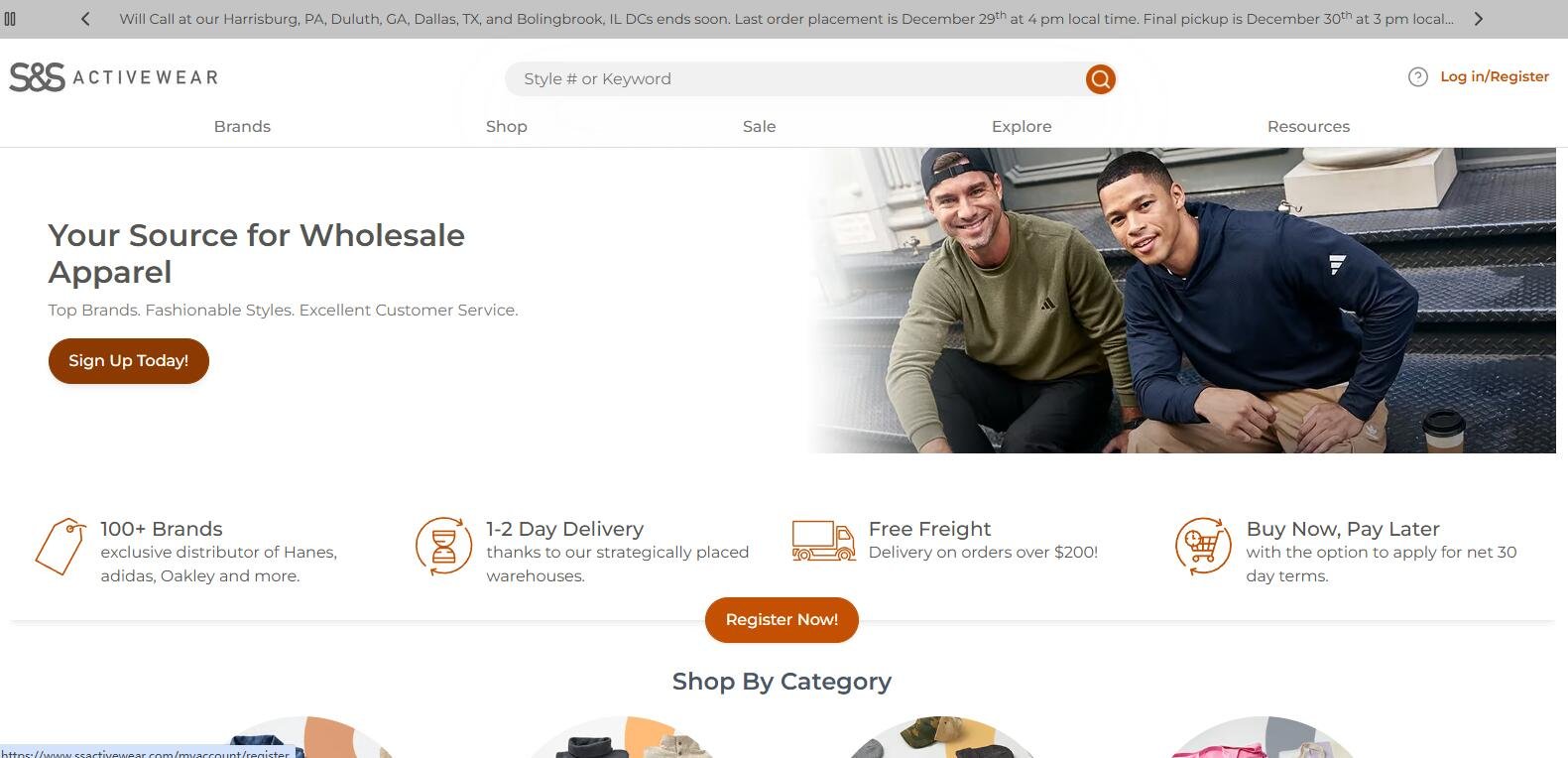
Provides OEM and private label gym leggings with multiple fabric options.
Best for: Brands launching or expanding activewear collections.
3. Zega Apparel – Custom Activewear Manufacturer
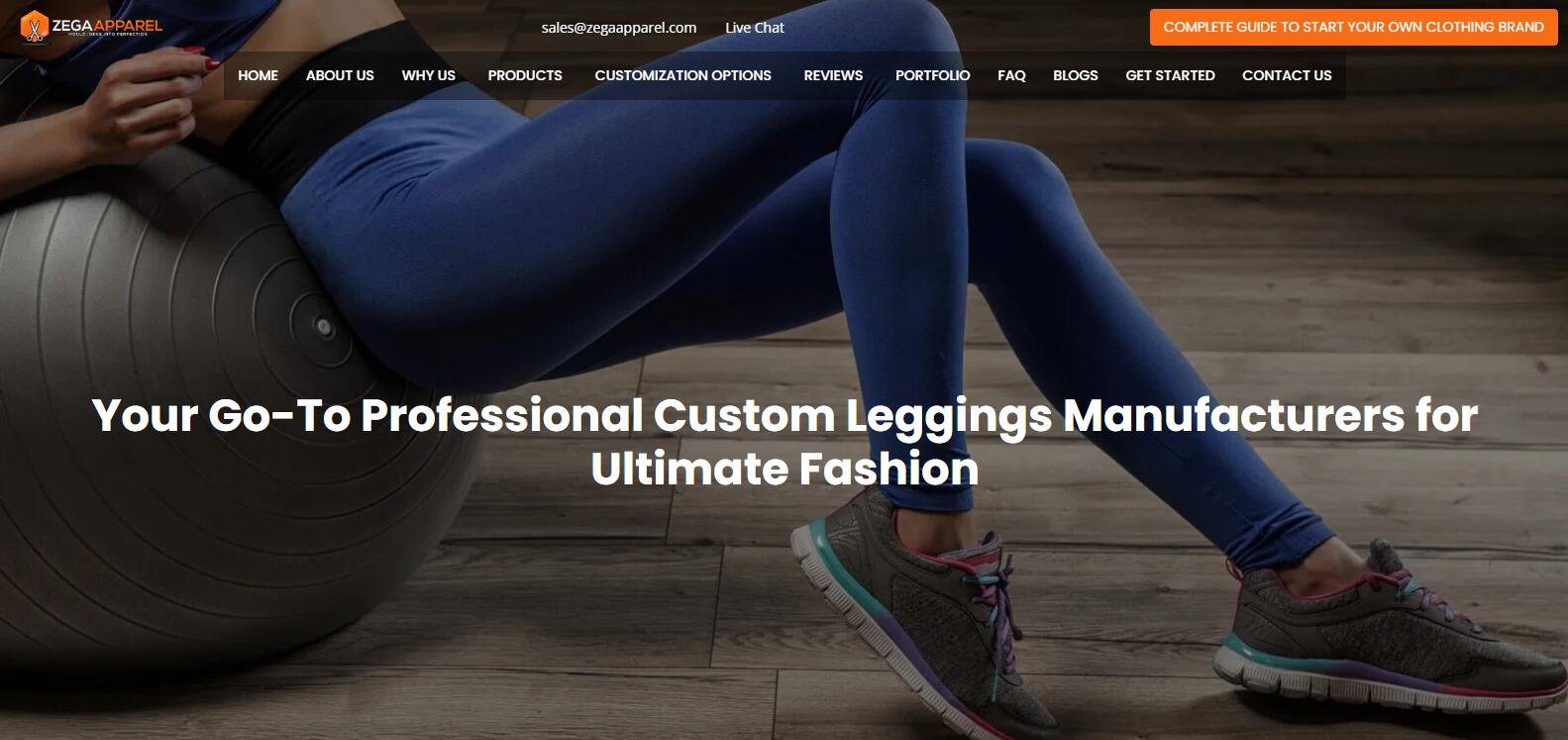
Offers scalable OEM production and private label solutions.
Best for: Startups and mid-size fitness brands.
4. Royal Apparel – USA-Based Manufacturer
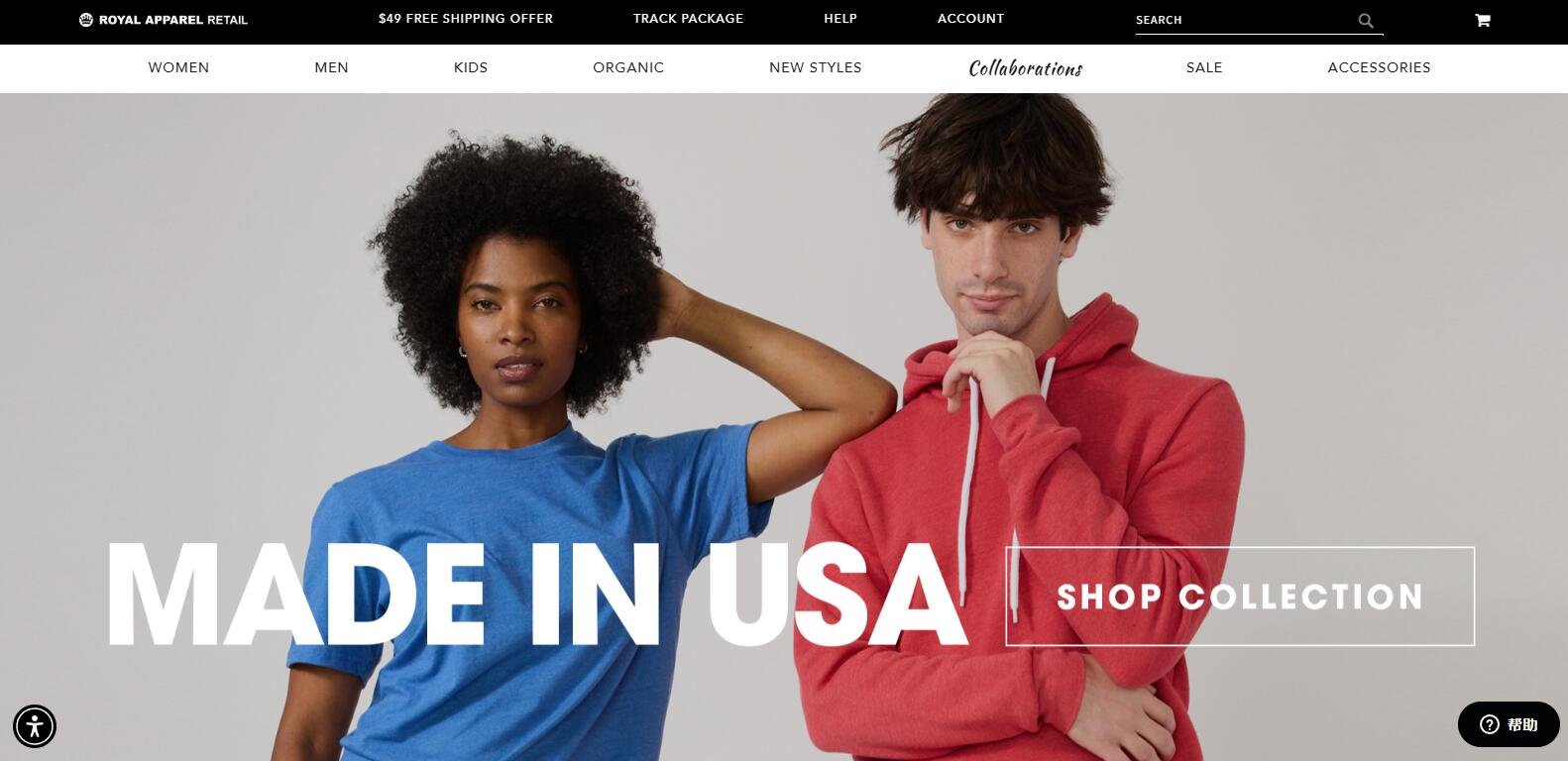
Domestic production with ethical manufacturing standards.
Best for: Brands emphasizing Made-in-USA positioning.
5. Alanic – Global Sportswear Manufacturer
👉 Alanic
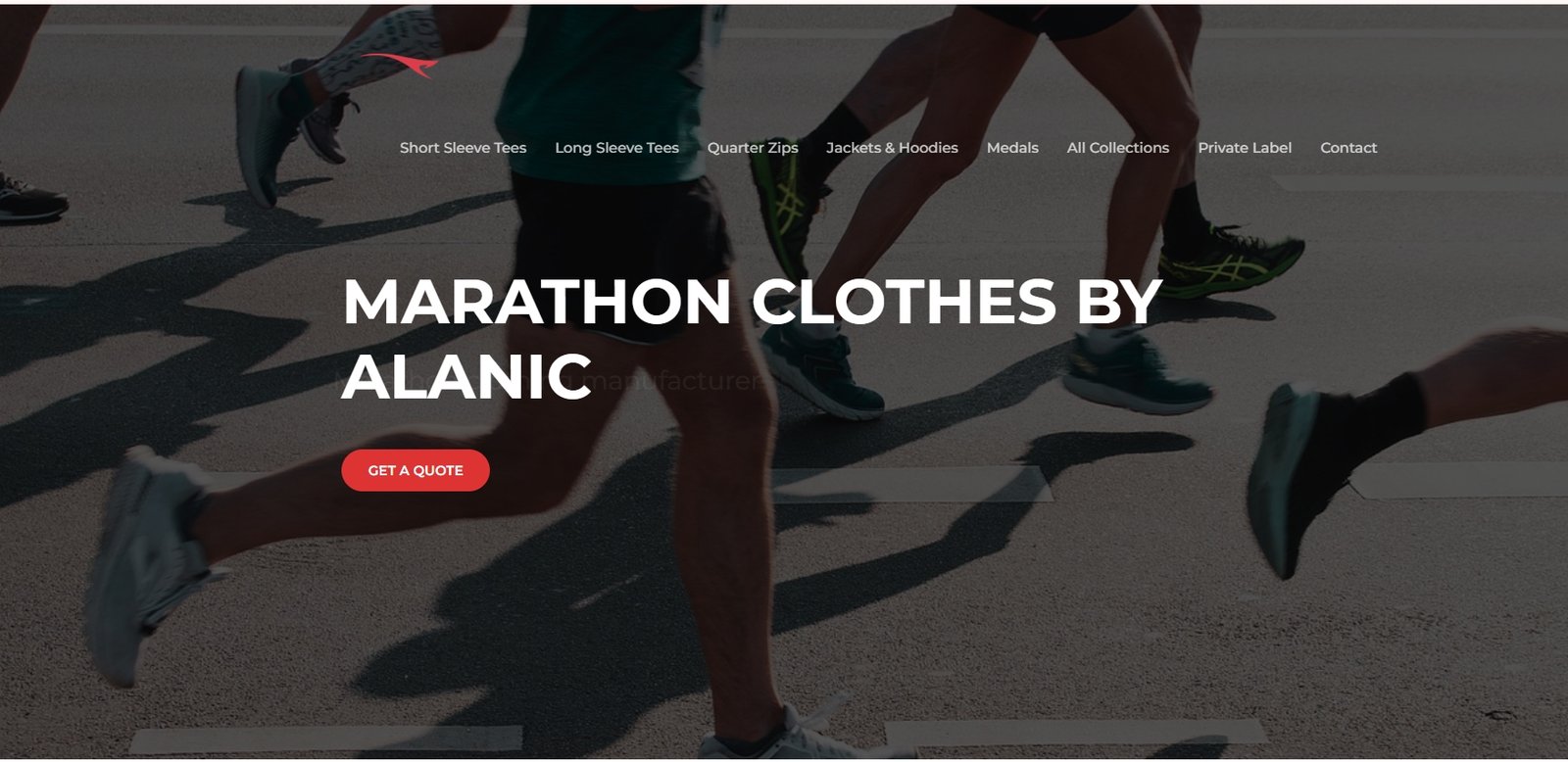
Large-scale OEM sportswear supplier with international capacity.
Best for: Established brands scaling volume.
Comparison Table
| Manufacturer | MOQ | Strength | Best Fit |
|---|---|---|---|
| Fukigymwear | Low–Mid | Fabric + Fit control | Performance brands |
| Activewear Manufacturer | Mid | Private label programs | New launches |
| Zega Apparel | Mid | Scalable production | Growing brands |
| Royal Apparel | Low–Mid | USA manufacturing | Premium positioning |
| Alanic | Mid–High | Large capacity | Global brands |
How to Choose the Right OEM Supplier
Use this logic:
- New brand → prioritize sampling support and communication
- Performance brand → prioritize fabric testing and fit engineering
- Premium brand → prioritize consistency over lowest cost
- Scaling brand → prioritize capacity and QC systems
OEM leggings punish shortcuts. Choose partners who understand that.
FAQs
Q: What is the typical MOQ for OEM gym leggings?
A: Usually 100–300 units per style, depending on fabric and construction.
Q: Can I control fabric selection in OEM production?
A: Yes — but always request test reports and wash results.
Q: How long does OEM leggings production take?
A: Sampling takes 10–20 days. Bulk production takes 30–50 days.
Work With Fukigymwear
If you want to develop OEM gym leggings with predictable quality and fit,
👉 Fukigymwear supports brands from fabric selection to bulk delivery.
We focus on leggings that perform in real training — not just on product photos.

