
Under Armour once revolutionized athletic apparel with its HeatGear and ColdGear technologies — offering cooling and warming layers for every athlete.
But in 2025, with so many technical fabrics and eco-performance brands emerging, the question is:
Are HeatGear and ColdGear still relevant today?
Let’s take a closer look at how these technologies hold up, how they compare to modern innovations, and what this means for today’s sportswear brands.
Table of Contents
- Quick Answer
- 1. What Are HeatGear and ColdGear?
- 2. Why They Were Revolutionary
- 3. Do They Still Perform Well in 2025?
- 4. HeatGear vs ColdGear vs Modern Alternatives
- 5. What Athletes Think Today
- 6. What Brands Can Learn from Under Armour
- FAQs
- FuKi Yoga: Supporting the Next Generation of Performance Innovation
Quick Answer
✅ Yes — Under Armour’s HeatGear and ColdGear are still functional and relevant, but less dominant than before.
They remain excellent for performance use, but newer fabrics — especially sustainable and adaptive textiles — are now leading innovation.
In short:
- 🔥 HeatGear still keeps athletes cool during summer or intense workouts.
- ❄️ ColdGear still insulates well for cold-weather training.
- 🌿 But eco-tech fabrics from newer brands (like FuKi Yoga) now offer similar performance with added sustainability.
1. What Are HeatGear and ColdGear?
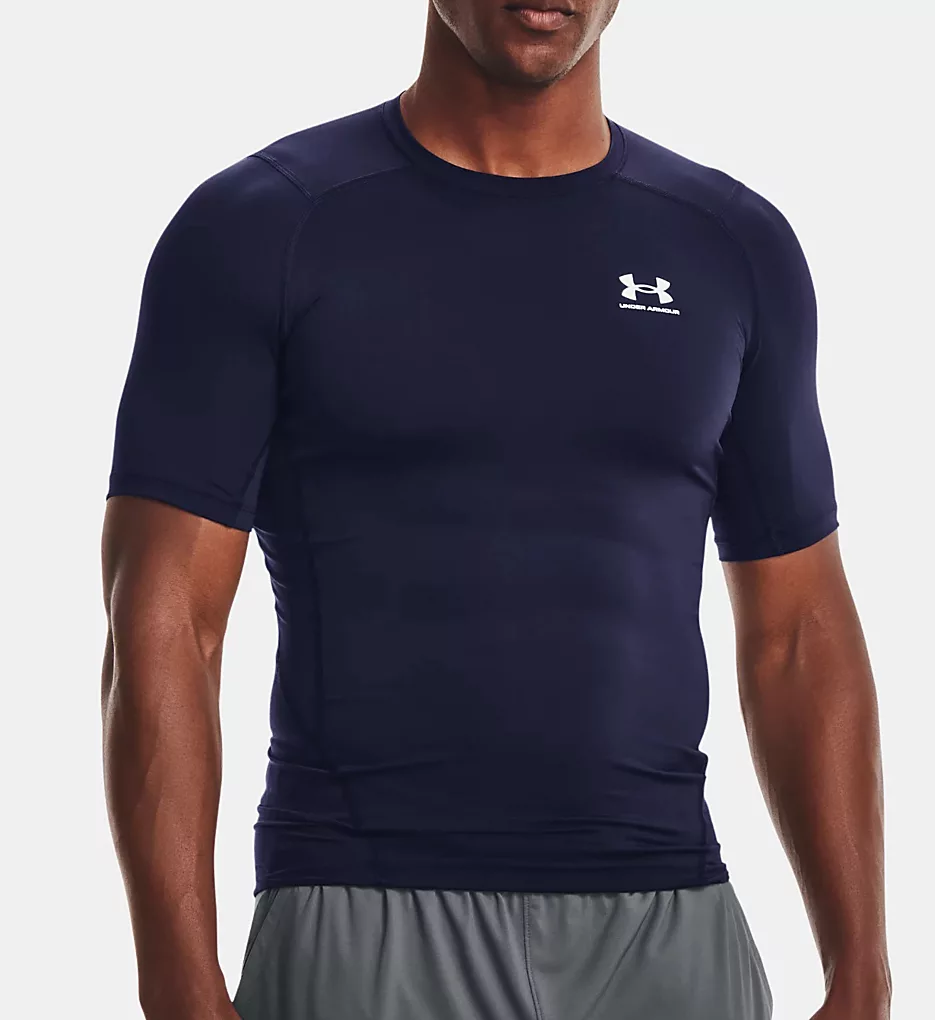
HeatGear (launched in 1996) was Under Armour’s breakthrough fabric designed to wick sweat, regulate body temperature, and stay lightweight during heat and humidity.
ColdGear, introduced shortly after, offered dual-layer insulation for cold-weather athletes without adding bulk.
| Technology | Ideal Use | Core Feature |
|---|---|---|
| HeatGear | Hot climates / high-intensity training | Moisture-wicking, cooling mesh fabric |
| ColdGear | Cold outdoor workouts | Thermal insulation with breathability |
| AllSeasonGear | Between seasons | Balanced comfort & flexibility |
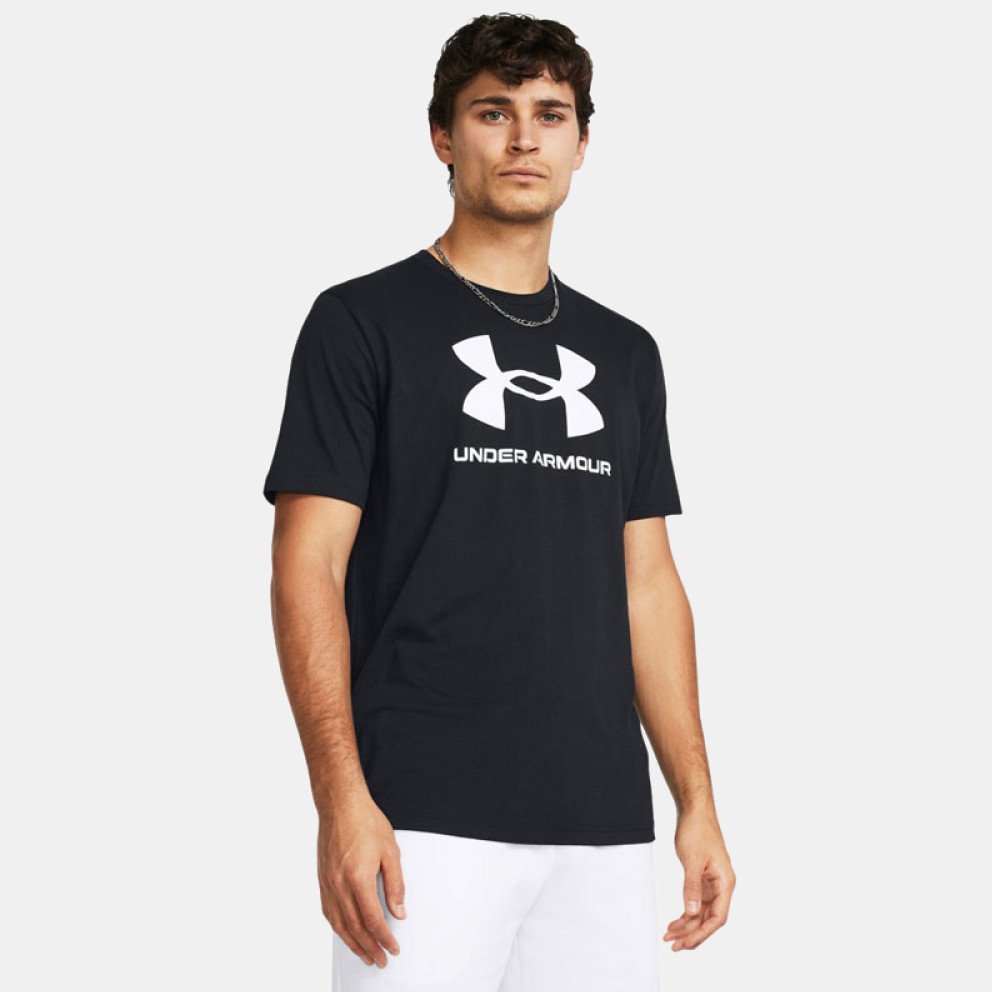
These became synonymous with Under Armour’s “performance-first” reputation.
2. Why They Were Revolutionary
Before Under Armour, sportswear was mostly made from cotton, which absorbed sweat and stayed heavy.
HeatGear and ColdGear changed that by introducing synthetic performance fibers engineered to:
- 🧵 Dry faster than cotton
- 💨 Improve breathability
- 🧊 Maintain thermal comfort
- 🧘 Reduce odor and chafing
This innovation helped Under Armour compete directly with Nike Dri-FIT and Adidas ClimaCool, defining the modern “technical apparel” era.
3. Do They Still Perform Well in 2025?
Yes — but with caveats.
Pros:
- ✅ Reliable for athletes who prioritize performance over fashion
- ✅ Proven moisture-wicking and temperature control
- ✅ Durable and consistent quality
Cons:
- ❌ Less eco-friendly (petrochemical-based synthetics)
- ❌ Heavier feel compared to newer recycled fabrics
- ❌ Limited aesthetic evolution for the fashion-conscious market
💬 In my experience as a gymwear OEM consultant, these materials still perform — but consumers increasingly care about sustainability and comfort versatility.
4. HeatGear vs ColdGear vs Modern Alternatives
| Feature | HeatGear | ColdGear | Modern Eco Alternatives (e.g. FuKi Yoga Recycled Tech) |
|---|---|---|---|
| Climate Use | Hot & humid | Cold & dry | Adaptive to multiple climates |
| Fabric Type | Polyester/elastane | Dual-layer synthetic | Recycled nylon, bamboo, Tencel blends |
| Breathability | High | Moderate | High with natural ventilation |
| Sustainability | Low | Low | High (eco-certified & recyclable) |
| Softness & Feel | Performance texture | Slightly thicker | Softer, natural touch |
| Use Case | Pro athletes | Outdoor training | Fitness & lifestyle wear |
Conclusion:
Under Armour’s tech still performs — but newer fabrics achieve similar results with greener production.
5. What Athletes Think Today
From my personal observation and client feedback:
- Runners and football players still trust HeatGear for durability.
- Trainers in cold climates use ColdGear compression layers for warmth.
- However, fitness influencers and yoga communities have moved toward eco-friendly and softer materials that blend style with performance.
💡 Performance matters — but so does comfort, ethics, and brand image.
6. What Brands Can Learn from Under Armour
Under Armour taught the world how fabric technology can define a brand.
But modern brands should also balance innovation with sustainability and inclusivity.
Key takeaways for activewear manufacturers:
- 🧠 Technology should evolve with lifestyle, not just sport.
- 🌱 Sustainability is the new form of innovation.
- 📱 Marketing matters as much as performance testing.
That’s why FuKi Yoga focuses on integrating both — performance and planet-friendly design — in every OEM partnership.
FAQs
Q1: Is HeatGear still worth buying?
Yes, it’s great for high-intensity or outdoor workouts in hot weather.
Q2: Does ColdGear really keep you warm?
Yes, its dual-layer design traps heat effectively while allowing airflow.
Q3: Are these fabrics sustainable?
Not fully. They rely on synthetic fibers, though Under Armour is introducing recycled variants.
Q4: What’s the best modern alternative?
Recycled nylon, bamboo, or Tencel-based activewear from OEMs like FuKi Yoga provide similar performance with lower environmental impact.
FuKi Yoga: Supporting the Next Generation of Performance Innovation
At FuKi Yoga, we build on the foundation laid by pioneers like Under Armour — but with a modern, eco-conscious approach.
We specialize in:
- 🧵 OEM & ODM services for yoga, gym, and streetwear brands
- ♻️ Recycled and organic performance fabrics
- 🌍 Ethical manufacturing with global certifications (OEKO-TEX, GRS)
- 💼 Low MOQ (100 pcs) for emerging fitness labels
- 🚀 Rapid sampling & worldwide delivery
Our mission:
To help new brands create the next generation of technical apparel — performance-driven, stylish, and sustainable.
👉 Learn more at fukiyoga.com

