
Table of Contents
- Quick Answer
- 1. What Lululemon Backpacks Are Designed For
- 2. How Much Does a Lululemon Backpack Really Cost?
- 3. Materials, Comfort, and Build Quality
- 4. Lululemon Backpack vs Other Popular Brands
- 5. When a Lululemon Backpack Is Worth It — and When It’s Not
- FAQs
- What Brands Can Learn from Lululemon Backpacks
Quick Answer
Yes — a Lululemon backpack is worth it if you want a clean, well-designed everyday bag for work, gym, or travel.
No — it’s not worth it if you expect heavy-duty outdoor performance or maximum storage for the price.
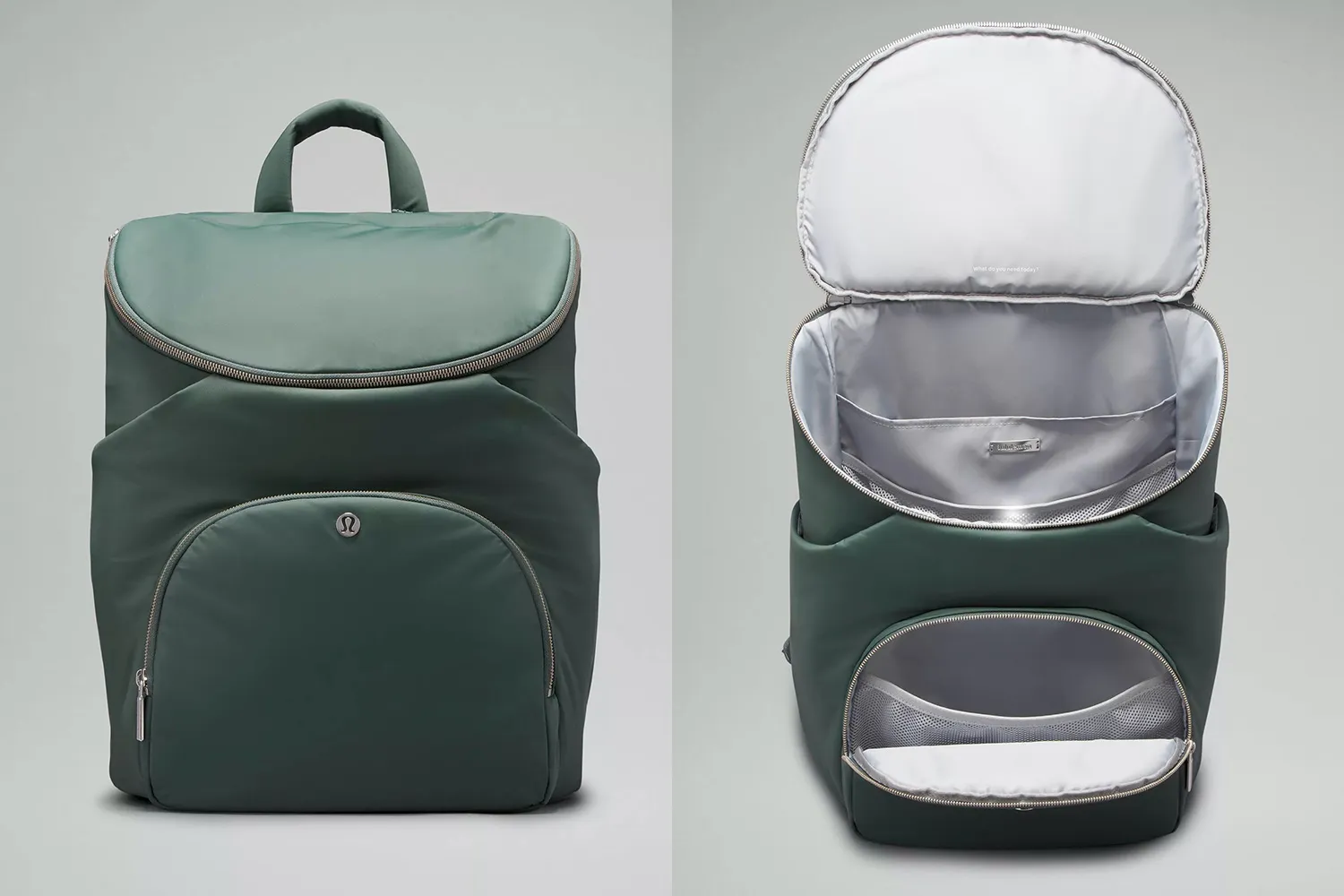
From my experience working with activewear manufacturing, accessories sourcing, and functional product development, Lululemon backpacks are priced for design consistency and daily usability — not rugged specialization.
1. What Lululemon Backpacks Are Designed For
Lululemon backpacks are primarily built for urban, active lifestyles, not extreme use.
They work best for:
- daily commuting
- gym-to-office routines
- light travel or carry-on use
- clean, minimalist styling
Official brand reference:
👉 Lululemon
They are not designed for:
- hiking or camping
- carrying heavy loads all day
- technical outdoor environments
Key idea:
These backpacks are meant to fit into your routine, not dominate it.
2. How Much Does a Lululemon Backpack Really Cost?
Lululemon backpacks typically sit in the premium lifestyle range.
What you’re paying for:
- brand consistency
- refined design and finishes
- thoughtful internal organization
What you’re not paying for:
- advanced outdoor materials
- modular systems or heavy reinforcement
- maximum liters per dollar
Value insight:
The price reflects aesthetic reliability, not technical dominance.
3. Materials, Comfort, and Build Quality
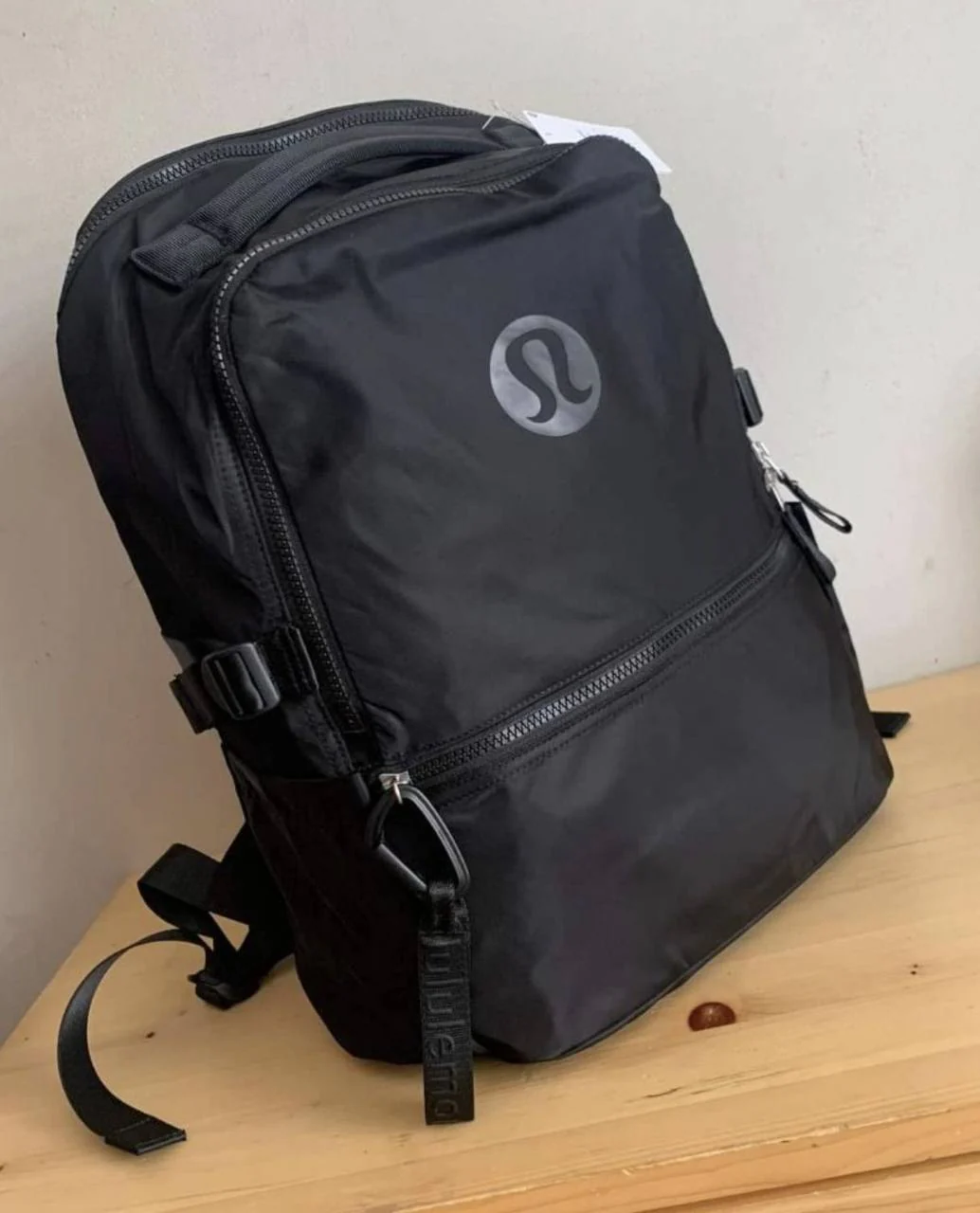
From a production standpoint, Lululemon backpacks perform well in daily use.
Materials
- smooth woven synthetics (nylon/poly blends)
- water-resistant coatings (not fully waterproof)
- clean stitching and panel alignment
Comfort
- padded shoulder straps
- breathable back panels (moderate)
- balanced carry for laptops and gym gear
Durability
- holds up well for commuting and travel
- not designed for abrasion-heavy environments
My take:
They feel refined and dependable, not indestructible.
4. Lululemon Backpack vs Other Popular Brands
| Brand | Main Strength | Best For |
|---|---|---|
| Lululemon | Clean design & lifestyle fit | Work, gym, daily carry |
| Nike | Sport-forward utility | Training & casual use |
| Herschel | Style & simplicity | School & casual wear |
| Patagonia | Durability & ethics | Travel & outdoor crossover |
Key takeaway:
Lululemon sits closer to premium lifestyle than performance gear.
5. When a Lululemon Backpack Is Worth It — and When It’s Not
A Lululemon backpack is worth it if you:
- want a polished, minimal look
- commute daily with a laptop
- go from gym to work
- value internal organization
- prefer neutral, timeless design
It may not be worth it if you:
- need large capacity or expansion
- want outdoor or tactical features
- prioritize price over design
- carry heavy loads for long periods
Honest answer:
Lululemon backpacks are worth it when design and daily comfort matter more than raw specs.
FAQs
Q1: Are Lululemon backpacks durable?
Yes, for daily and urban use. They’re not meant for rough outdoor conditions.
Q2: Are they waterproof?
Water-resistant, not fully waterproof.
Q3: Are Lululemon backpacks good for travel?
Yes, for short trips and carry-on use.
Q4: Do they justify the price?
If you value design consistency and everyday usability, yes.
What Brands Can Learn from Lululemon Backpacks
Lululemon shows that:
People will pay more for accessories that quietly fit into their daily lives.
At 👉 fukigymwear,
we help brands develop activewear and lifestyle accessories that balance function, comfort, and clean design — without unnecessary complexity.
What We Support
- lifestyle-focused product development
- material selection for daily use
- clean, brand-consistent design
- low-MOQ OEM / ODM manufacturing
- private-label activewear & accessories
A Lululemon backpack isn’t about showing off.
It’s about not having to think about your bag at all.

