
Puma has become an increasingly popular choice for gym-goers, thanks to its mix of performance design, comfort-driven materials, and athlete-approved construction. According to the Puma official website and insights from Wikipedia, the brand’s modern training collections are built for durability, mobility, and high-intensity movement.
From my OEM experience working with fitness and activewear brands, Puma performs well in the gym because it balances flexibility, breathability, and stability — three essentials for strength training and HIIT.
This article breaks down whether Puma is a good choice for gym training and who it’s best suited for.
Table of Contents
- Quick Answer
- 1. Puma Training Apparel Supports Mobility and Comfort
- 2. Puma Training Shoes Are Stable for Strength Workouts
- 3. Breathability and Sweat Control Make Puma Gym-Friendly
- 4. How Puma Compares to Other Training Brands
- 5. Who Puma Is Best Suited For
- FAQs
- Partnering With FuKi Gymwear
Quick Answer
Yes — Puma is good for gym training, especially for general strength workouts, HIIT sessions, and functional fitness. The brand’s gym apparel fits securely, offers great stretch, and uses breathable fabrics. Puma training shoes provide enough stability for lifting while still being flexible for mixed workouts.
💬 From my OEM viewpoint:
Puma succeeds because it offers performance function without over-engineering, which makes it reliable for everyday gym athletes.
1. Puma Training Apparel Supports Mobility and Comfort
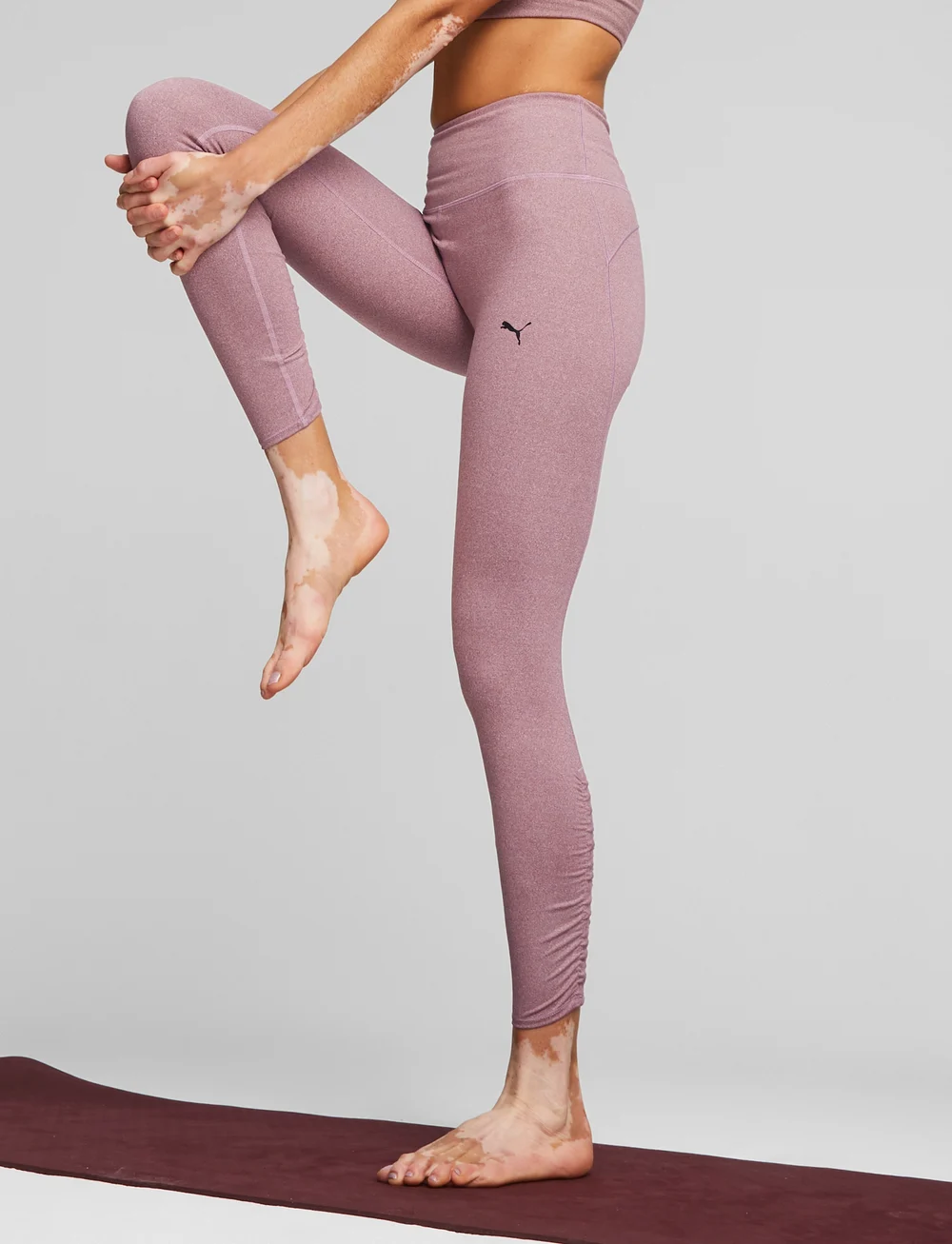
Puma uses lightweight fabrics and athletic patterns that help your body move naturally during gym workouts.
Gym-friendly Puma items include:
- Training leggings
→ Puma Women’s Training Leggings - Sports bras
→ Puma Sports Bras - Training tops & tanks
→ Puma Women’s Training Tops - Men’s training apparel
→ Puma Men’s Training Apparel
Why it works for the gym:
- flexible stretch for squats & lunges
- breathable mesh zones
- smooth seams that reduce irritation
- reliable moisture management
OEM Insight
Puma’s training leggings typically use mid-high gauge knitting for better recovery — meaning they stay supportive even through repeated gym movements.
2. Puma Training Shoes Are Stable for Strength Workouts
Good gym shoes must balance two things:
- Forefoot flexibility
- Heel stability
Many Puma trainers meet this need well.
Examples from Puma’s lineup:
- HYBRID trainers
- PWRFrame training shoes
- Fuse lifting-friendly shoes
→ Browse Puma training shoes:
https://us.puma.com/us/en/women/shoes/training
Why Puma trainers work in the gym:
- stable heel structure for lifts
- grippy outsoles for foot traction
- breathable uppers
- lightweight feel for integrated workouts
OEM Insight
Unlike some brands that over-cushion training shoes, Puma finds a middle ground — ideal for functional fitness users.
3. Breathability and Sweat Control Make Puma Gym-Friendly
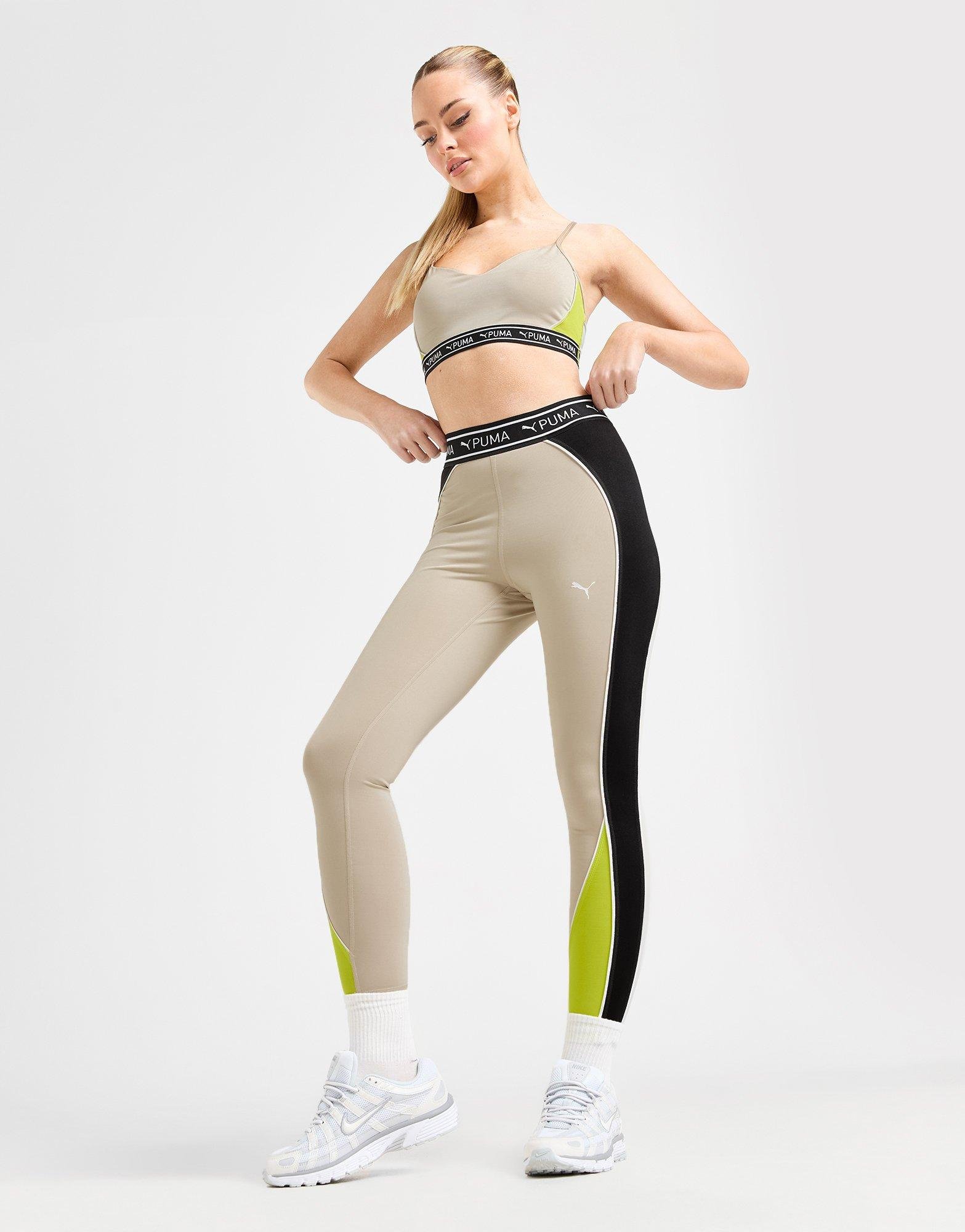
Gym workouts generate heat — especially HIIT or weight circuits. Puma apparel helps handle this through:
Key features:
- moisture-wicking polyester blends
- built-in mesh ventilation
- quick-dry finishes
- odor-resistant treatments (varies by collection)
Best breathable apparel categories:
- Training tanks
- Sports bras with mesh panels
- Ventilated leggings
- Lightweight performance tees
These features help keep athletes comfortable in high-intensity sessions.
4-how-puma-compares-to-other-training-brands">4. How Puma Compares to Other Training Brands
Here’s a simple comparison based on gym performance:
| Brand | Strength Training | HIIT | Comfort | Price |
|---|---|---|---|---|
| Puma | Good | Good | High | Affordable |
| Nike | Excellent | Excellent | Medium | Higher |
| adidas | Good | Good | Medium | Medium |
| Under Armour | Excellent | Good | Medium | Medium–High |
Summary
Puma is a strong option for everyday gym users, especially those who want quality performance gear without the premium price tag.
5. Who Puma Is Best Suited For
Puma is ideal for:
- beginners to intermediate gym users
- HIIT & functional fitness athletes
- casual lifters needing stable shoes
- users who want breathable, comfortable activewear
- budget-conscious buyers who still want reliable performance
Puma may not be ideal for:
- heavy powerlifters needing very flat soles
- advanced runners needing specialized cushioning
- athletes who prefer high-compression fits
💬 Puma is a strong all-rounder — not hyper-specialized, and that’s a benefit for most gym-goers.
FAQs
Q1: Is Puma good for strength training?
Yes — their training shoes offer enough stability for general lifting.
Q2: Are Puma leggings good for gym workouts?
Yes. They’re supportive, stretchy, and breathable.
Q3: Is Puma better for casual or serious athletes?
Puma works well for both, but especially for everyday fitness users.
Q4: Are Puma shoes comfortable for HIIT?
Very — lightweight feel + firm stability make them a solid choice.
Partnering With FuKi Gymwear
If you want to build gym-ready activewear similar to Puma’s training collections, choosing the right OEM partner makes all the difference.
👉 FuKi Gymwear supports brands with:
- High-stretch gym leggings
- Moisture-wicking performance fabrics
- Sports bras engineered for HIIT
- Breathable training tops
- Low MOQ production
- Custom fabric development
💬 Reliable gym performance comes from smart engineering — and we help brands achieve that standard.

