
As someone who works directly with apparel OEM factories and audits supply-chain practices, I often hear the same question from founders and consumers:
“Is Patagonia truly sustainable, or is it just good marketing?”
Here is a clear, beginner-friendly breakdown based on real production insights, Patagonia’s public data, and global manufacturing standards.
Table of Contents
- Quick Answer
- 1. What Sustainability Means at Patagonia
- 2. Patagonia Materials: How Eco-Friendly Are They?
- 3. Patagonia vs Other Outdoor Brands
- 4. Who Should Choose Patagonia?
- FAQs
- Related Links
Quick Answer
Yes — Patagonia is one of the most genuinely sustainable outdoor brands.
Their approach goes beyond recycled fabrics: they redesign products for longevity, disclose factory lists, invest in repair programs, and use environmental responsibility as a core business principle.
External references:
- Patagonia Official: https://www.patagonia.com
- Footprint & Sustainability: https://www.patagonia.com/our-footprint
1. What Sustainability Means at Patagonia
From a factory and sourcing viewpoint, Patagonia’s sustainability is built on three pillars:
✔ Long-lasting product engineering
Their jackets and fleeces are intentionally overbuilt to reduce replacement cycles.
✔ Transparent supply chain
Factories, regions, and certifications are publicly listed — rare in the apparel industry.
✔ Ethical labor and environmental standards
Factories are required to follow strict audits, water usage controls, chemical restrictions, and fair-wage standards.
OEM Insight:
Patagonia rejects suppliers more often than it accepts them — their compliance expectations are much higher than most brands.
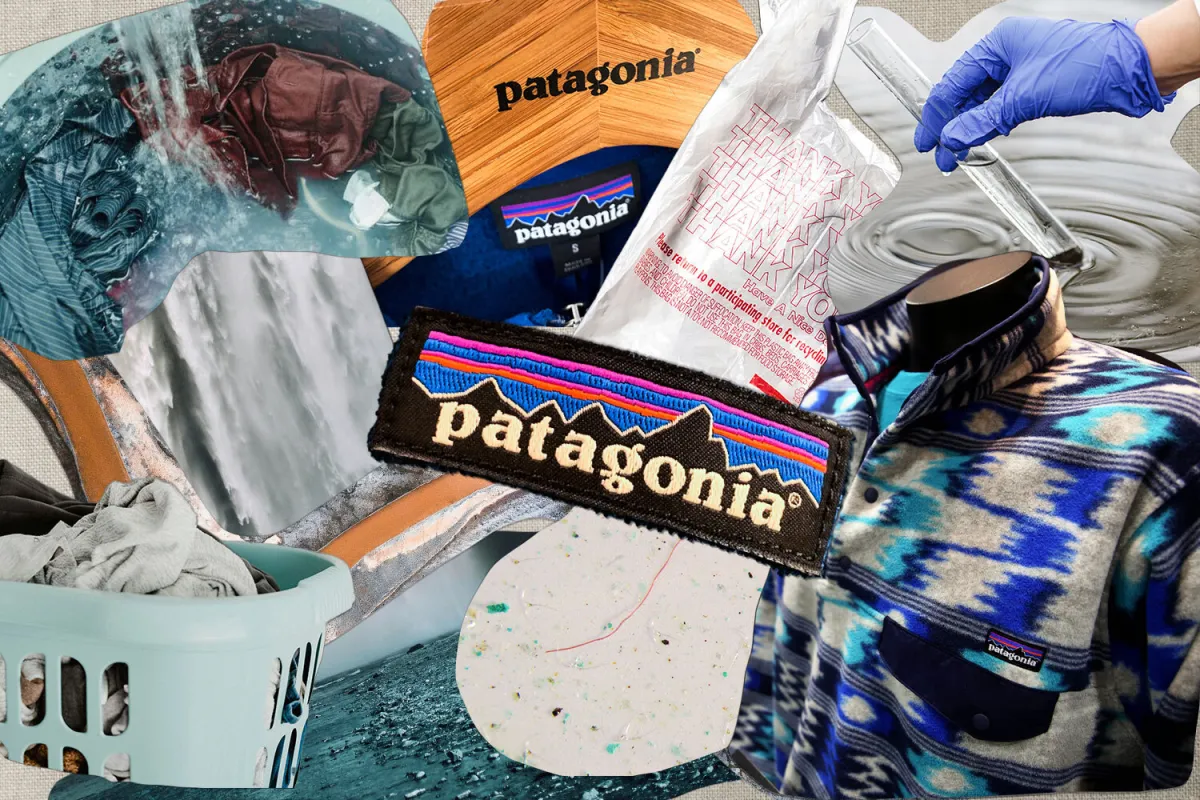
2. Patagonia Materials: How Eco-Friendly Are They?
| Material Type | Sustainability Benefit | Notes |
|---|---|---|
| Recycled polyester | Lower carbon footprint | Used in fleece, shells, insulation |
| Recycled nylon | Reduces oil dependency | Still difficult to recycle at scale |
| Hemp & organic cotton | Lower water + pesticide use | Mainly in lifestyle apparel |
| PFC-free DWR | Reduced chemical harm | Gradually replacing older coatings |
| Responsible Down Standard | Animal welfare certified | Used in insulated jackets |
Takeaway:
Patagonia isn’t perfect, but it is ahead of most competitors in recycled and responsibly sourced materials.
3. Patagonia vs Other Outdoor Brands
| Brand | Sustainability Level | Strengths | Notes |
|---|---|---|---|
| Patagonia | ⭐⭐⭐⭐⭐ | Transparency, recycled materials, repair culture | Industry leader |
| The North Face | ⭐⭐⭐⭐ | Recycled fabrics, strong innovation | Less transparency |
| Arc’teryx | ⭐⭐⭐⭐ | Extreme durability, premium construction | Smaller sustainability focus |
Summary:
Patagonia = sustainability leader
TNF = balanced innovation + eco efforts
Arc’teryx = durability first, sustainability improving
4. Who Should Choose Patagonia?
Patagonia is ideal if:
- You want gear that lasts 5–10+ years
- You value transparent sourcing
- You prefer recycled fabrics and low-impact materials
- You want long-term cost efficiency, not fast fashion
Consider other brands if:
- You prioritize lightweight alpine performance (Arc’teryx)
- You prefer more trend-driven outdoor styling (The North Face)
- You need budget outdoor basics (Columbia)
Internal Link
Building a sustainable apparel line? Start here:
👉 https://fukiyoga.com
FAQs
Q1: Does Patagonia use 100% sustainable materials?
Not yet — but a significant portion is recycled or responsibly sourced.
Q2: Are Patagonia factories fully eco-certified?
Most follow Higg FEM, bluesign®, and RDS standards, depending on product category.
Q3: Is Patagonia more sustainable than The North Face?
Yes. Patagonia places sustainability at the center of its business model, not as a secondary pillar.
Q4: Does Patagonia gear last longer?
Usually, yes. Their durability reduces environmental impact over time.
Related Links
- Patagonia Sustainability: https://www.patagonia.com/our-footprint
- Materials & Innovation: https://www.patagonia.com/innovation
- Eco-Friendly Manufacturing Insights: https://fukiyoga.com

