
Lululemon has long been known for premium yoga wear and high-performance fabrics. But in recent years, consumers have increasingly asked:
Is Lululemon becoming truly sustainable — or is it just green marketing?
As someone working in activewear manufacturing, I’ve followed Lululemon’s sustainability evolution closely. Below is a structured, experience-based breakdown of how the brand is transforming its materials, factories, and long-term strategy.
Table of Contents
- Lululemon’s Commitment to Sustainability
- Where Lululemon Clothes Are Made
- Sustainable Fabric Innovations
- Recycling & Circular Design Initiatives
- Ethical Manufacturing & Supply Chain Transparency
- Comparison: Lululemon vs Other Sustainable Brands
- Challenges Lululemon Still Faces
- What Smaller Brands Can Learn from Lululemon’s Model
- FAQs
- About FuKi Gymwear – Custom Sustainable Activewear Manufacturer
1. Lululemon’s Commitment to Sustainability
Lululemon has publicly committed to becoming 100% sustainable and circular by 2030.
Key pillars of this mission include:
- 100% renewable or recycled materials by 2030
- Net-zero carbon operations by 2050
- Circular design and garment recycling programs
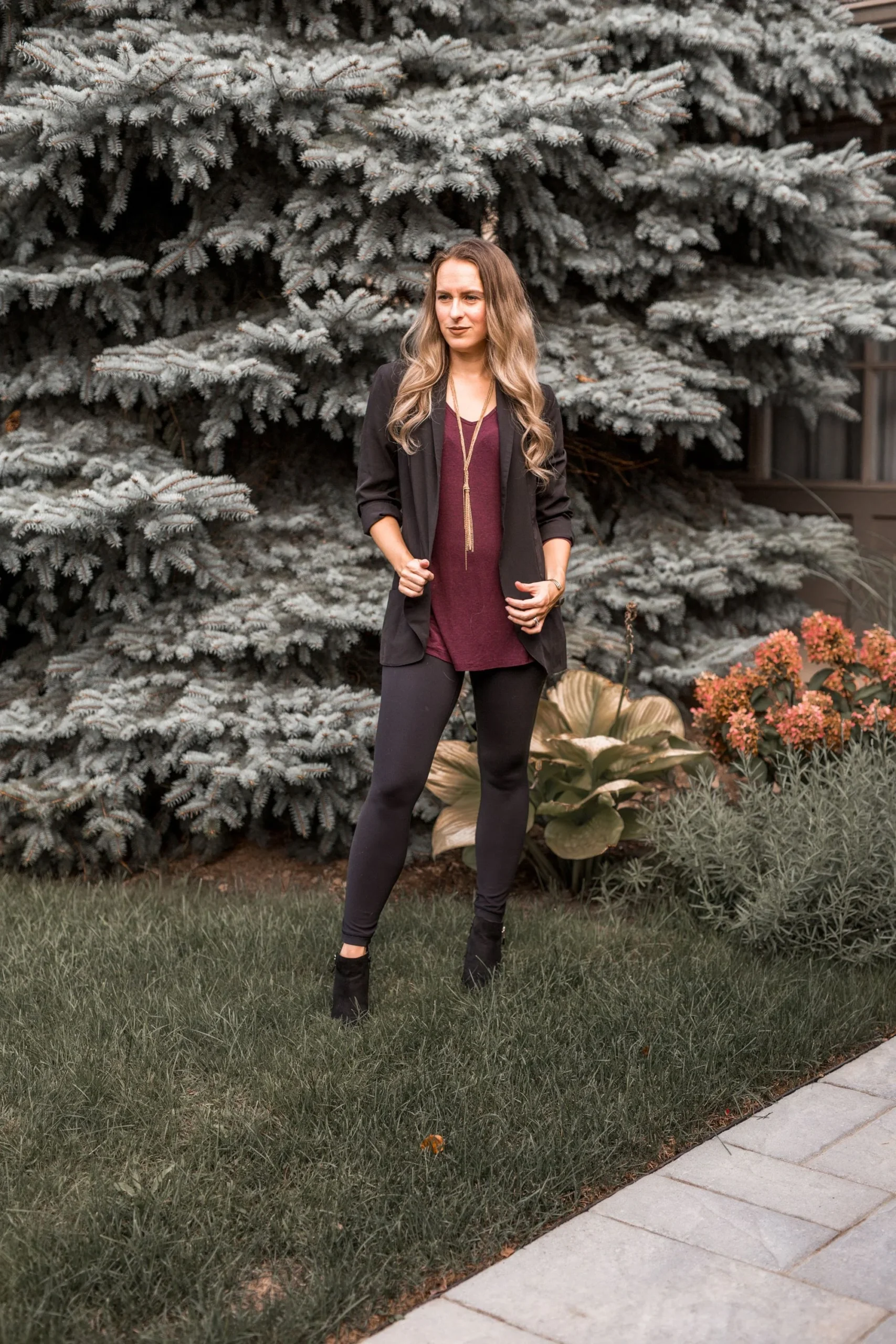
💬 From supplier audits I’ve observed, Lululemon’s sustainability reviews are among the most detailed in the industry.
2. Where Lululemon Clothes Are Made
Lululemon manufactures in over 25 countries, primarily in Asia where advanced textile facilities are located.
| Country | Role | Product Type |
|---|---|---|
| China | Core manufacturing hub | Leggings, tops, bras |
| Vietnam | Seamless & performance wear | Yoga pants, jackets |
| Sri Lanka | High-quality knitwear | Tanks, base layers |
| Cambodia | Lightweight garments | Shorts, outerwear |
| Bangladesh / Peru | Cotton products | Tees, sweats |
💡 Lululemon partners only with factories that meet its Vendor Code of Ethics, covering labor safety, wages, and environmental impact.
3. Sustainable Fabric Innovations
Lululemon has introduced several eco-conscious materials:
| Fabric Type | Description | Sustainability Feature |
|---|---|---|
| Everlux™ Recycled | Breathable, sweat-wicking | 50% recycled nylon/poly |
| Nulu™ & Luon® Eco | Soft-touch performance fabric | Recycled spandex blends |
| Plant-Based Nylon (2024) | Alternative to petro-nylon | Reduced fossil dependency |
| Recycled Polyester | Used in core items | Made from plastic bottles |
🧵 From a manufacturing standpoint, balancing eco-content with elasticity and durability requires advanced yarn blending technology.
4. Recycling & Circular Design Initiatives
Lululemon has launched programs encouraging circular consumption:
- Lululemon Like New (U.S. resale program)
- In-store clothing take-back pilots
- Dedicated circular design teams
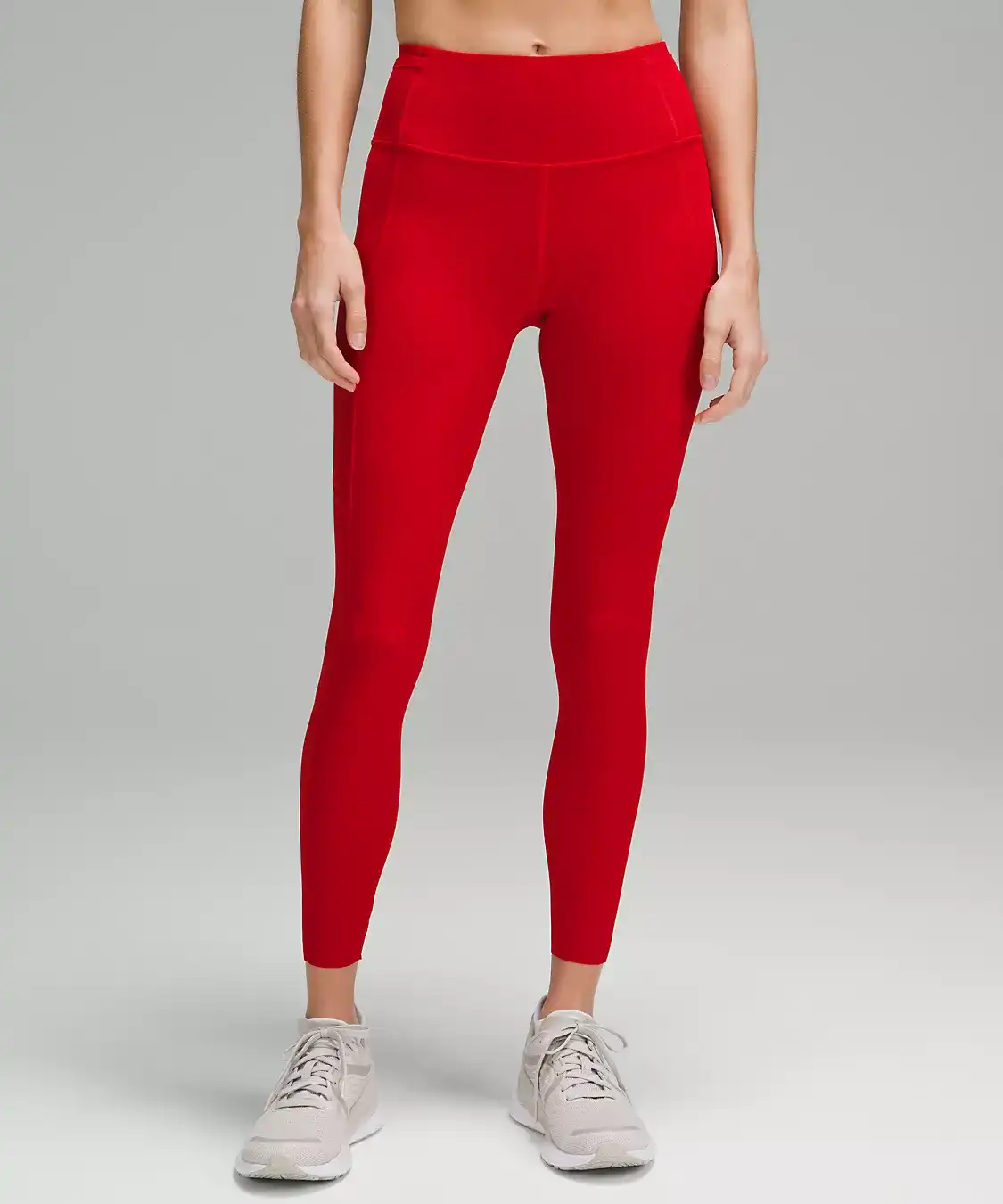
📦 Moving from “production to reuse” represents a structural shift in its business model.
5. Ethical Manufacturing & Supply Chain Transparency
Lululemon uses strict third-party auditing systems:
| Certification | Purpose | Application |
|---|---|---|
| OEKO-TEX® 100 | Verifies no harmful chemicals | Major suppliers |
| BSCI / WRAP | Labor & workplace audits | Annual compliance |
| Higg Index | Environmental impact tracking | Sustainability reporting |
💬 These systems require traceability down to fabric batches and dye processes.
6. Comparison: Lululemon vs Other Sustainable Brands
| Brand | Focus | Sustainable Fabrics | Transparency | Price Range (USD) |
|---|---|---|---|---|
| Lululemon | Performance + circularity | Recycled nylon, plant-based | High | $80–$180 |
| Alo Yoga | Lifestyle fashion | Limited recycled blends | Moderate | $90–$150 |
| Vuori | Comfort + eco blends | Recycled polyester | Moderate | $70–$130 |
| FuKi Gymwear | Custom OEM eco-production | Fully customizable | Controlled by client | $25–$60 (B2B) |
💡 Large brands build frameworks; smaller OEM partners can often move faster with localized production control.
7. Challenges Lululemon Still Faces
Despite progress, hurdles remain:
- Limited circular production scale
- Complex multi-country supply chains
- High energy usage in synthetic fabric production
- Difficulty achieving fully biodegradable performance fabrics
🌱 No global brand is fully sustainable yet — but Lululemon has one of the clearest roadmaps.
8. What Smaller Brands Can Learn from Lululemon’s Model
| Lesson | Description | Action Step |
|---|---|---|
| Transparency Builds Trust | Share material sources | Add supplier info to product pages |
| Balance Performance & Eco | Don’t sacrifice quality | Use high-grade recycled yarns |
| Certify Early | OEKO-TEX®, BSCI | Increase buyer confidence |
| Start Small, Scale Responsibly | Pilot eco collections | Expand gradually |
💬 At FuKi Gymwear, we apply the same principle: quality first, sustainability always.
9. FAQs
Q1. Is Lululemon truly sustainable?
Partially. It is transitioning with measurable 2030 goals focused on recycled and plant-based fabrics.
Q2. Where is Lululemon’s sustainable clothing produced?
Primarily in China, Vietnam, and Sri Lanka within certified eco-compliant factories.
Q3. Does Lululemon recycle old clothes?
Yes, through its “Like New” resale and take-back programs in select markets.
Q4. Can smaller brands achieve similar sustainability standards?
Yes — with experienced OEM partners and proper certifications.
10. About FuKi Gymwear – Custom Sustainable Activewear Manufacturer
At FuKiGymwear, we help brands build sustainable collections inspired by industry leaders.
We Offer:
- OEM & ODM production (Low MOQ 100 pcs)
- Eco fabrics: recycled polyester, organic cotton, bamboo blends
- Custom dyeing & low-impact packaging
- Ethical manufacturing (OEKO-TEX®, BSCI, WRAP certified)
- Fast turnaround: 7–10 day samples | 25–35 day bulk
💬 Our mission is to deliver high-performance activewear with cleaner, transparent production.
👉 Ready to launch your sustainable activewear line? Start your eco-friendly collection today.
