
Athleta and Lululemon are both major players in women’s activewear — but many shoppers ask a practical question:
“Which brand is actually more sustainable?”
Based on my OEM experience and publicly available information from the
Athleta official site、Lululemon official site、
Athleta Wikipedia、Lululemon Wikipedia,
Athleta generally takes a more aggressive sustainability approach — especially in recycled fibers, certification programs, and social compliance.
This guide explains the differences in a simple, structured way.
Table of Contents
- Quick Answer
- 1. Athleta Uses Higher Percentages of Recycled Fabrics
- 2. Lululemon Invests More in Material Innovation
- 3. Social Responsibility: Athleta Has a Stronger Public Framework
- 4. Which Brand Feels More Sustainable to Consumers?
- FAQs
- Partnering With FuKi Gymwear
Quick Answer
Athleta is viewed as more sustainable because it uses higher recycled content, emphasizes fair-trade factories, and communicates its goals clearly.
Lululemon focuses more on innovation-first sustainability, such as bio-based nylon and next-gen materials.
💬 From my OEM experience:
Athleta applies sustainability in a more practical and fabric-focused way, while Lululemon invests in future technology and long-term solutions. Both matter — but they operate differently.
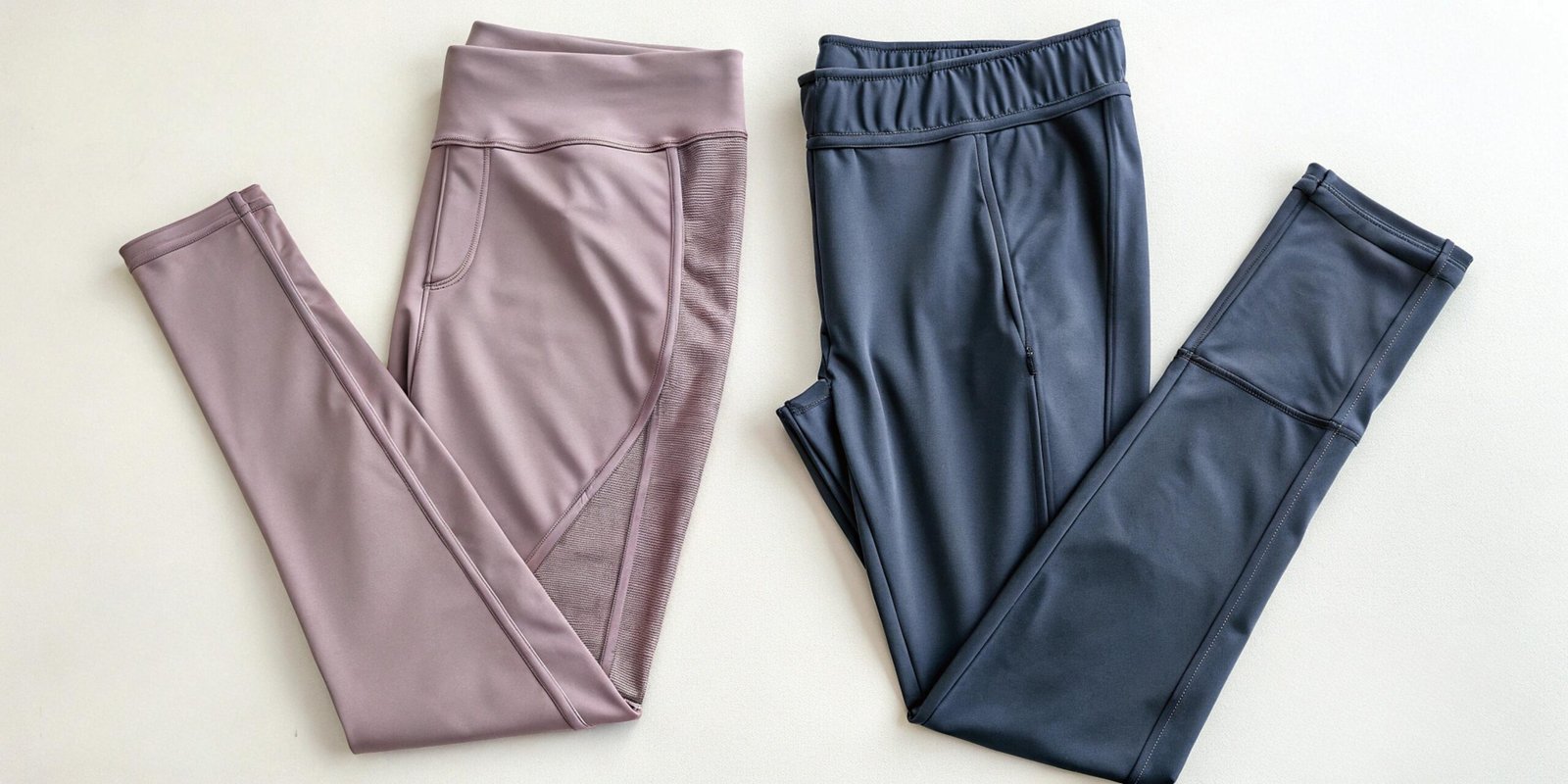
1. Athleta Uses Higher Percentages of Recycled Fabrics
Athleta publicly claims that a large portion of its key products use recycled polyester, recycled nylon, or organic cotton.
What Athleta emphasizes:
- long-term recycled material commitments
- inclusive supply-chain transparency
- broad application across yoga, athleisure, and lifestyle
Examples from their product categories
- Athleta Sustainable Line: https://athleta.gap.com/browse/category.do?cid=1159348
OEM Insight
Athleta’s sustainability strategy is easier for manufacturing partners because it focuses on readily available recycled fabrics, not experimental materials.
2. Lululemon Invests More in Material Innovation
Lululemon’s sustainability push is driven by science and R&D, including:
Known R&D initiatives:
- bio-based nylon development
- plant-based polyester projects
- long-term carbon-reduction innovations
- circularity testing programs
Example product categories
- Lululemon Fabric Science: https://shop.lululemon.com/c/fabric-technology/_/N-1z13zii
OEM Insight
Lululemon’s roadmap is harder to replicate because factories need:
- higher tolerance knitting
- more advanced dyeing
- better QA standards
Athleta = more accessible.
Lululemon = R&D heavy.
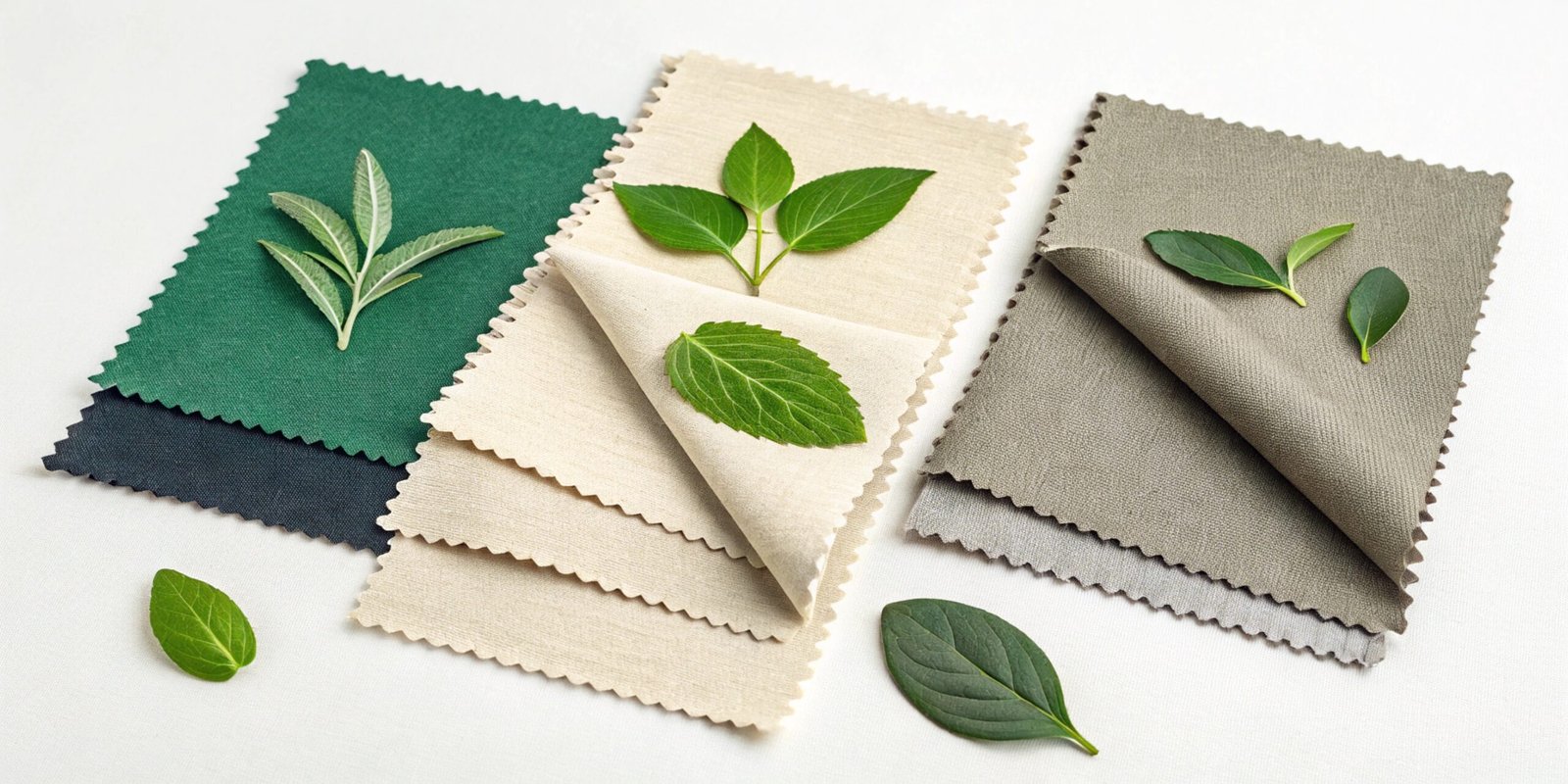
3. Social Responsibility: Athleta Has a Stronger Public Framework
Athleta places significant emphasis on women’s empowerment and fair-trade-certified factories.
Athleta social pillars:
- Fair Trade certification
- Women’s workforce support
- Publicly stated manufacturing ethics
- Third-party verified claims
Lululemon's social actions include:
- mental wellness initiatives
- athlete community programs
- DEI-focused activities
OEM Perspective
Athleta shows clearer communication and more measurable commitments, making it easier for consumers to understand.
4. Which Brand Feels More Sustainable to Consumers?
From shopper perception and brand messaging:
| Factor | Athleta | Lululemon |
|---|---|---|
| Recycled content | Strong | Improving |
| Long-term R&D | Moderate | Strong |
| Social responsibility | Very clear | Moderate clarity |
| Transparency | High | Medium |
| Everyday consumer perception | “More eco-conscious” | “More technical” |
💬 In simple terms:
Athleta feels more sustainable today, while Lululemon is investing in sustainability for the future.
FAQs
Q1: Is Athleta officially a sustainable brand?
Not fully, but it leads in recycled fabrics and fair-trade production.
Q2: Does Lululemon use recycled materials?
Yes, but at a smaller scale compared to Athleta.
Q3: Which brand is better for eco-conscious beginners?
Athleta — its products feel naturally aligned with low-impact choices.
Q4: Which brand invests more in long-term innovation?
Lululemon — especially in R&D-driven materials.
Partnering With FuKi Gymwear
If you want to build yoga or athleisure collections with sustainable fabrics, the right manufacturing partner can make the entire process easier.
👉 FuKi Gymwear provides:
- recycled polyester & recycled nylon options
- eco-focused brushed yoga fabrics
- OEKO-TEX & GRS-certified materials
- sustainable packaging solutions
- low MOQ support for new brands
💬 Sustainability becomes achievable when the fabric and factory work together — and we help brands make that transition smoothly.

