
The fitness apparel industry is still exploding in 2026.
According to Statista, the global activewear market continues to grow as more people embrace gym culture, athleisure fashion, and healthier lifestyles.
As someone who works closely with gym wear startups and clothing manufacturers, I’ve helped many new brands launch their first collections.
Some succeeded quickly. Others struggled because they skipped critical steps.
This guide explains how to start your own gym wear brand step by step, using practical industry experience so you can avoid expensive mistakes.
Table of Contents
- Why Gym Wear Brands Are Still Growing
- Step 1: Choose a Clear Gym Wear Niche
- Step 2: Design the Right First Products
- Step 3: Understand Gym Wear Fabrics
- Step 4: Decide Between Private Label and Custom
- Step 5: Find a Reliable Gym Wear Manufacturer
- Step 6: Build a Brand Identity
- Step 7: Launch and Market Your Brand
- Startup Cost Breakdown
- Common Mistakes to Avoid
- FAQ About Starting a Gym Wear Brand
- Final Thoughts
1. Why Gym Wear Brands Are Still Growing
The fitness clothing market has changed dramatically over the past decade.
Today, gym wear is no longer limited to the gym. It has become everyday fashion.
Major brands like Gymshark and Lululemon proved that small startups can become billion-dollar brands.
The biggest drivers behind gym wear growth include:
- Social media fitness culture
- Athleisure fashion trends
- Online direct-to-consumer brands
- Health and wellness awareness
💬 For new entrepreneurs, this means there is still plenty of room for niche brands.
2. Step 1: Choose a Clear Gym Wear Niche
One mistake I see frequently is founders trying to build a brand for everyone.
That rarely works.
Instead, successful gym wear brands usually start with a specific niche audience.
Examples of Strong Niches
| Niche | Target Customer |
|---|---|
| Powerlifting apparel | Strength athletes |
| Yoga clothing | Women’s wellness market |
| Functional training | CrossFit communities |
| Street-fitness wear | Gym lifestyle audience |
When your brand targets a clear audience, it becomes much easier to:
- Design products
- Create marketing content
- Build a loyal community
3. Step 2: Design the Right First Products
Launching too many products is risky.
Instead, I usually recommend starting with 3–4 core items.
Best Starter Gym Wear Products
| Product | Why It Works |
|---|---|
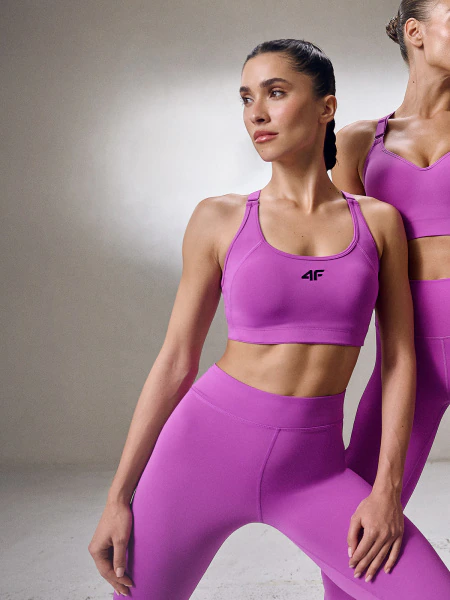
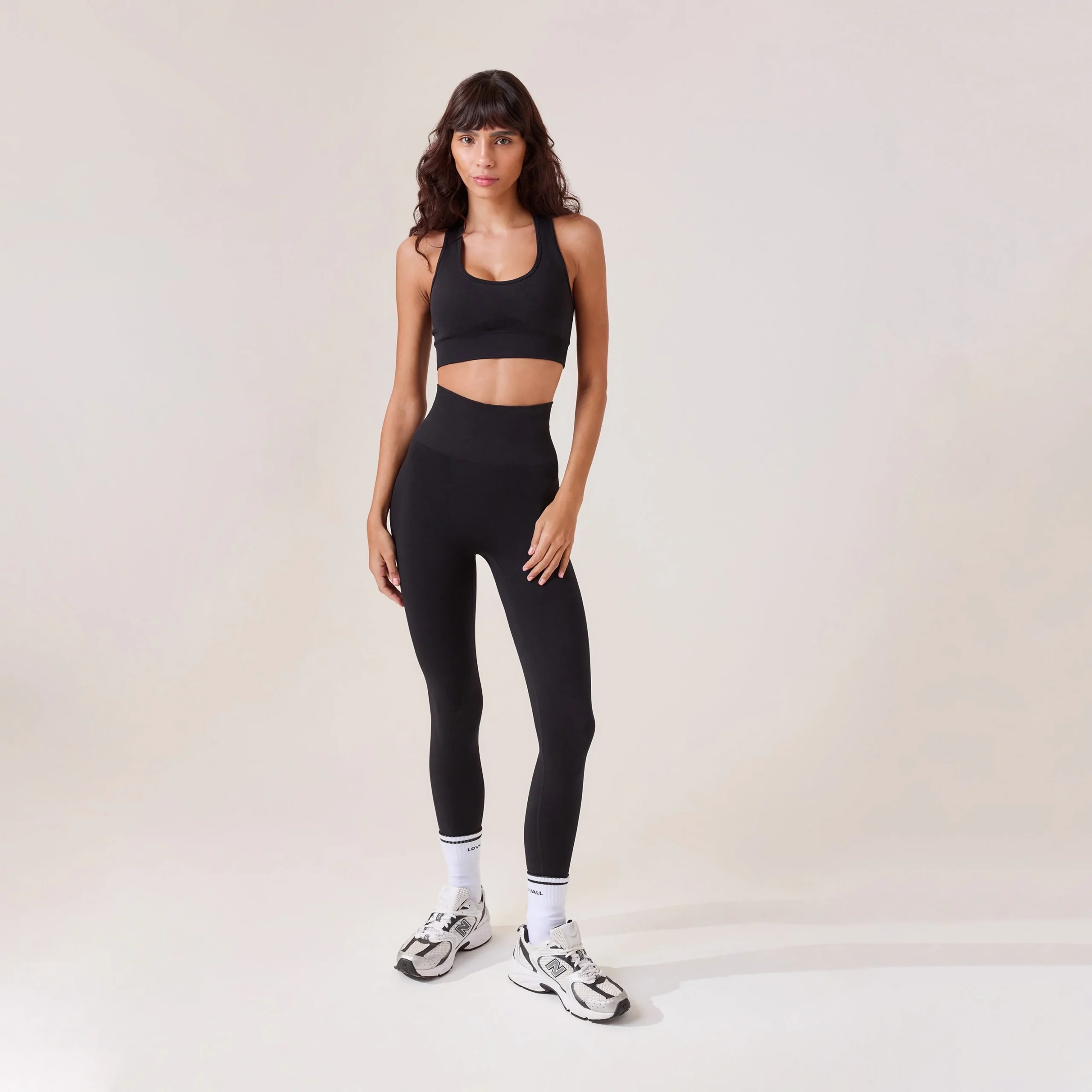
| Gym leggings | Best-selling women’s product |
| Oversized gym T-shirts | Popular in fitness streetwear |
| Gym shorts | High demand for men |
| Sports bras | Essential training apparel |
Fewer products help you:
- Test the market faster
- Control production costs
- Build stronger branding around hero items
4. Step 3: Understand Gym Wear Fabrics
Fabric selection determines comfort, durability, and performance.
Many new founders underestimate this.
Popular Gym Wear Fabrics
| Fabric | Features |
|---|---|
| Nylon Spandex | Premium stretch and durability |
| Polyester Spandex | Moisture-wicking |
| Cotton Blend | Casual gym wear |
| Recycled Polyester | Sustainable activewear |
When choosing fabrics, look for:
- 4-way stretch
- Sweat-wicking
- Breathability
- Squat-proof opacity
💬 High-quality fabric is one of the biggest reasons customers reorder.
5. Step 4: Decide Between Private Label and Custom
There are two main production models for gym wear brands.
Private Label
You add your logo to existing designs.
Advantages
- Lower startup cost
- Faster launch
- Lower minimum orders
Disadvantages
- Limited product uniqueness
Custom Manufacturing
You design completely original products.
Advantages
- Stronger brand identity
- Better product differentiation
Disadvantages
- Longer development time
- Higher initial investment
💬 Most serious brands eventually move toward custom production.
6. Step 5: Find a Reliable Gym Wear Manufacturer
Your manufacturer can make or break your brand.
When evaluating factories, check:
- MOQ requirements
- Fabric sourcing capability
- Sample development
- Quality control process
- Communication efficiency
Many startup brands work with specialized activewear factories such as:
Experienced manufacturers can assist with:
- Fabric sourcing
- Logo printing
- Pattern development
- Custom packaging
💬 This significantly reduces development risk.
7. Step 6: Build a Brand Identity
Today, successful gym wear brands are lifestyle brands.
Your brand should include:
- A strong logo
- A consistent color palette
- A recognizable product style
- Community-focused marketing
Many successful brands grow through:
- Fitness influencers
- Instagram communities
- TikTok workout content
💬 Authenticity matters more than large advertising budgets.
8. Step 7: Launch and Market Your Brand
Most gym wear startups launch online first.
Popular Launch Channels
| Platform | Advantage |
|---|---|
| Shopify | Easy store setup |
| WooCommerce | More customization |
| Amazon | Massive traffic |
The most effective strategy usually combines:
- Your own website
- Social media marketing
- Influencer collaborations
9. Startup Cost Breakdown
Starting a gym wear brand does not always require massive investment.
Typical Startup Budget
| Category | Estimated Cost (USD) |
|---|---|
| Sampling | 300–800 |
| Initial production | 2,000–8,000 |
| Branding | 500–2,000 |
| Website | 300–1,000 |
| Marketing | 1,000+ |
💬 Many successful brands start with under 10,000 USD.
10. Common Mistakes to Avoid
From my experience working with startup brands, these mistakes appear frequently.
1. Too Many Products
Focus on hero items.
2. Cheap Fabric
Low quality kills repeat purchases.
3. Weak Branding
Gym wear brands need a clear identity.
4. No Marketing Plan
Products alone do not build brands.
5. Unrealistic Pricing
Margins must support future marketing and operations.
11. FAQ About Starting a Gym Wear Brand
Q1: How much money do I need to start?
Most founders begin with around 5,000–15,000 USD.
Q2: What are the easiest gym wear products to start with?
Popular starter items include:
- Leggings
- Gym shorts
- Oversized gym shirts
Q3: Do I need my own factory?
No. Most brands partner with OEM gym wear manufacturers.
Q4: How long does production take?
| Stage | Time |
|---|---|
| Sampling | 1–2 weeks |
| Production | 3–5 weeks |
| Shipping | 1–3 weeks |
12. Final Thoughts
Starting a gym wear brand in 2026 is easier than ever.
But the brands that succeed usually focus on three things:
- Strong product quality
- Clear brand positioning
- Consistent marketing
If you combine these with the right production partner, your idea can quickly become a real fitness apparel brand.
If you're exploring manufacturing options, you can learn more here:
👉 Custom Gym Wear Manufacturer
💬 Building a gym wear brand is a journey — but with the right strategy, it can also be a very rewarding one.
