
Starting a gym clothing brand is one of the most popular business ideas in today’s fitness-driven market. But from my experience working with fitness apparel startups, most people underestimate how much planning and execution it actually requires.
It’s not just about designing cool products—it’s about understanding manufacturing, branding, product-market fit, and scaling strategies.
In this guide, I’ll walk you through exactly how to start a gym clothing brand step by step, based on real-world production and brand-building experience.
Table of Contents
- Quick Answer
- Why Gym Clothing Brands Are Growing Fast
- Step-by-Step Guide to Starting a Brand
- Choosing the Right Products
- How to Find a Manufacturer
- Branding and Marketing Strategy
- Cost Breakdown and Budget Planning
- Common Mistakes to Avoid
- FAQ
- Conclusion
Quick Answer
To start a gym clothing brand, you need to define your niche, design products, find a reliable manufacturer, build your brand identity, and launch with a strong marketing strategy.
Why Gym Clothing Brands Are Growing Fast
The fitness apparel industry is expanding rapidly due to lifestyle changes and increased focus on health.
According to Statista, the global activewear market continues to grow as consumers prioritize comfort and performance.
Brands like Nike and Gymshark have proven that fitness apparel is not just functional—it’s also a lifestyle category.
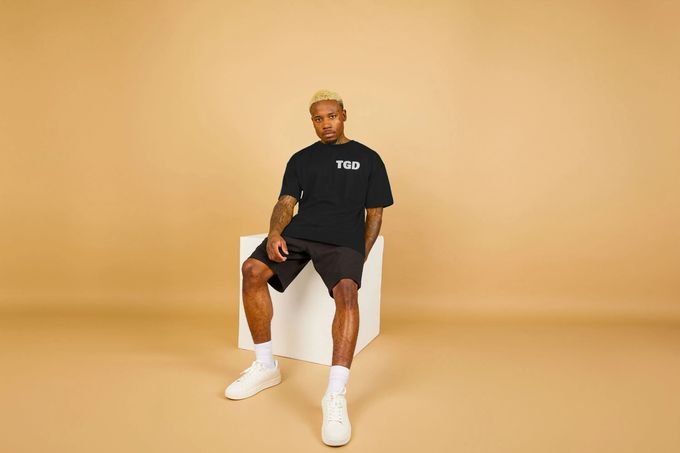
Step-by-Step Guide to Starting a Brand
Step 1: Define Your Niche
Focus on a specific target audience:
- women’s activewear
- gym beginners
- premium performance wear
- sustainable fitness apparel
Step 2: Develop Product Ideas
Choose core products such as:
- leggings
- sports bras
- gym shorts
- hoodies
Start small and build around a core collection.
Step 3: Create Designs and Tech Packs
Prepare clear product specifications including:
- fabric type
- measurements
- logo placement
- stitching details
Step 4: Find a Manufacturer
Choosing the right supplier is critical.
👉 Custom Gym Wear Manufacturer
From my experience, working with experienced manufacturers reduces production risk and improves product quality.
Step 5: Sampling and Testing
Always test samples before bulk production.
Check:
- fit
- fabric quality
- durability
Step 6: Launch Your Brand
Start with:
- website (Shopify / WooCommerce)
- social media marketing
- influencer collaborations
Choosing the Right Products
Selecting the right product category is key to early success.
Product Strategy
| Product | Why It Works |
|---|---|
| leggings | high demand |
| sports bras | repeat purchase |
| gym shorts | versatile |
| hoodies | lifestyle appeal |
How to Find a Manufacturer
This is where many brands struggle.
Key Factors
| Factor | Importance |
|---|---|
| MOQ flexibility | startup-friendly |
| sample quality | critical |
| communication | long-term success |
| production capacity | scalability |
A reliable partner helps you move from idea to production smoothly.
Branding and Marketing Strategy
A strong brand is more than just a logo.
Key Branding Elements
- brand story
- visual identity
- product positioning
- social media presence
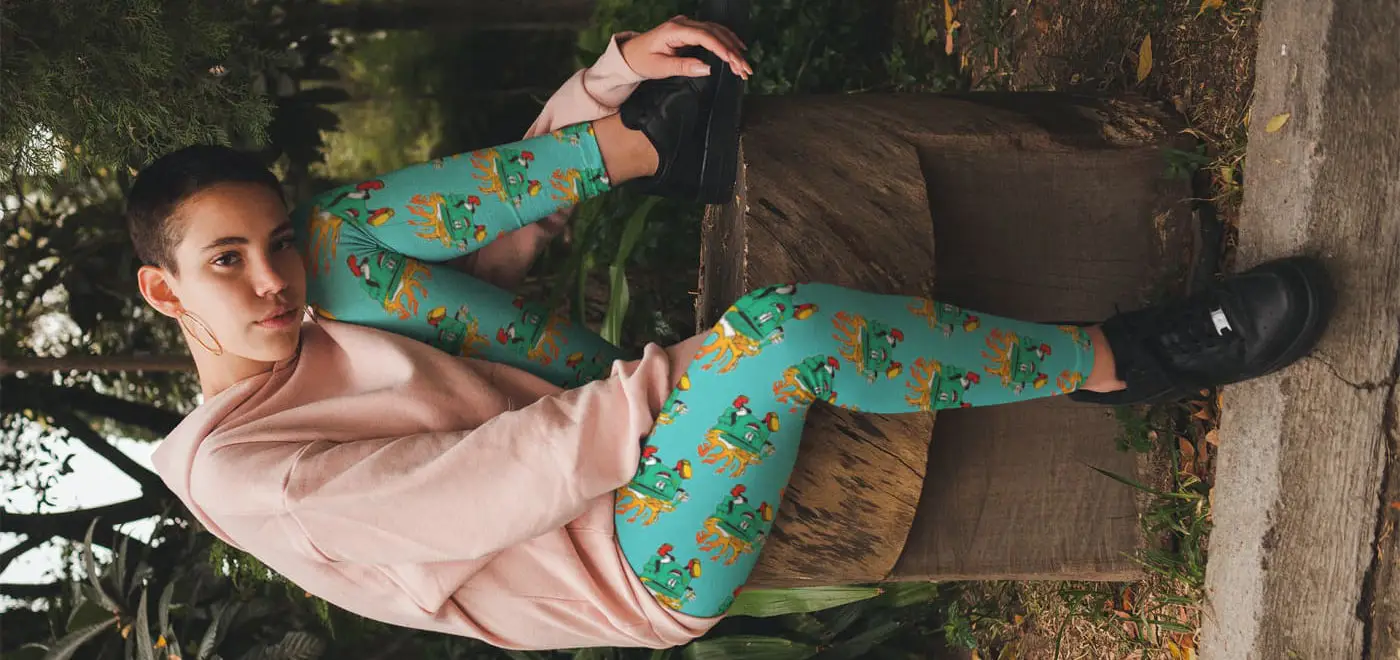
From my experience, brands that focus on storytelling perform better in competitive markets.
Cost Breakdown and Budget Planning
Starting a gym clothing brand requires careful budgeting.
Typical Costs
| Cost Type | Estimated Range |
|---|---|
| sampling | $100–$500 |
| production | $500–$5000+ |
| branding | $200–$1000 |
| marketing | variable |
Common Mistakes to Avoid
I’ve seen many startups fail due to these mistakes:
- launching too many products
- choosing the wrong manufacturer
- ignoring product quality
- underestimating marketing
FAQ
How much does it cost to start a gym clothing brand?
It depends, but most startups begin with $1000–$5000.
What is the best product to start with?
Leggings are usually the most popular entry product.
Do I need a manufacturer?
Yes, unless you produce products yourself.
How long does it take to launch?
Typically 2–4 months including development and production.
Conclusion
Starting a gym clothing brand is both exciting and challenging.
From my experience, the brands that succeed focus on:
- clear niche positioning
- high-quality products
- reliable manufacturing partners
If you want to build a successful fitness apparel business, start small, test your market, and scale gradually.
The right partner can help turn your idea into a real, scalable brand.

