
Table of Contents
- Quick Answer
- Why Pricing Matters in Activewear
- Overview: How Gym Wear Pricing Works
- Step 1: Understand Your Cost Structure
- Step 2: Define Your Target Market Position
- Step 3: Choose the Right Pricing Strategy
- Step 4: Set Your Profit Margin
- Step 5: Analyze Competitor Pricing
- Step 6: Balance Cost, Quality and Brand Value
- Step 7: Adjust Pricing Over Time
- Common Pricing Mistakes to Avoid
- How Fukigymwear Helps Brands Optimize Pricing
- FAQ
- Conclusion
Quick Answer
To price gym wear products effectively, brands must calculate total costs, define market positioning, apply the right pricing strategy, and ensure a sustainable profit margin.
At FuKi Gymwear, we help brands balance cost, quality, and pricing for long-term success.
Why Pricing Matters in Activewear
Pricing directly affects:
- brand positioning
- profit margins
- customer perception
- competitiveness
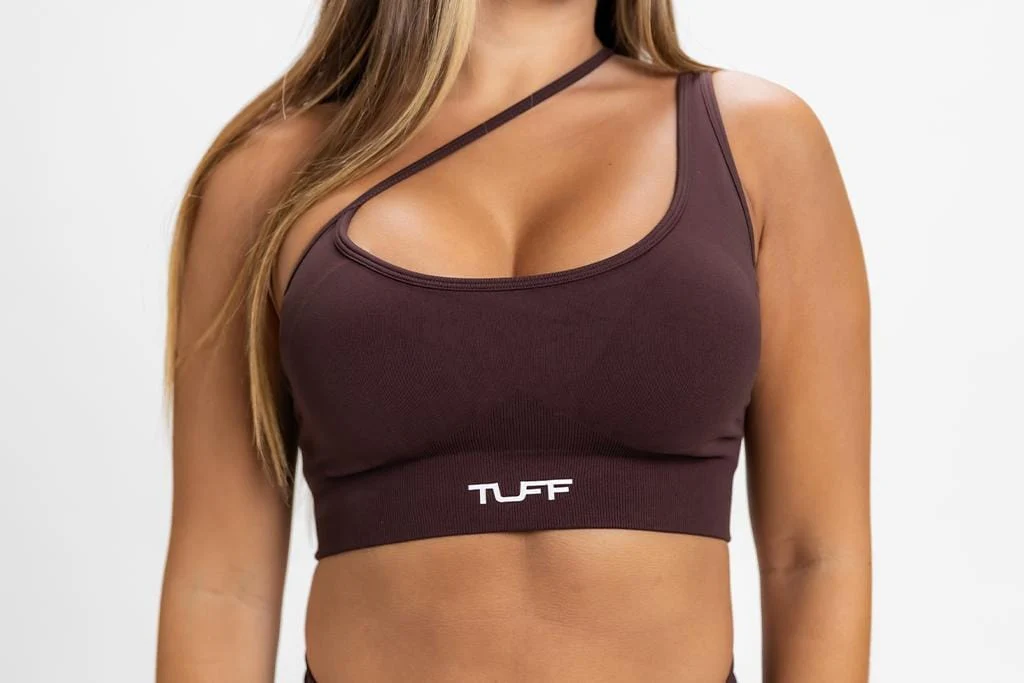
👉 Incorrect pricing can either reduce profits or weaken your brand image.
Overview: How Gym Wear Pricing Works
Pricing is based on three core elements:
- cost structure
- brand positioning
- market competition
👉 These factors determine your final retail price.
Step 1: Understand Your Cost Structure
Break down your total cost:
- fabric and materials
- manufacturing cost
- packaging
- shipping and logistics
👉 Example:
If your product costs $10 to produce, this becomes your base.
Step 2: Define Your Target Market Position
Choose your positioning:
- budget (low price, high volume)
- mid-range (balanced value)
- premium (high price, strong branding)
👉 Your positioning determines your pricing range.
Step 3: Choose the Right Pricing Strategy
Common strategies:
Cost-Plus Pricing
Cost × markup (e.g., 2x–3x)
Value-Based Pricing
Based on perceived brand value
Competitive Pricing
Aligned with market competitors
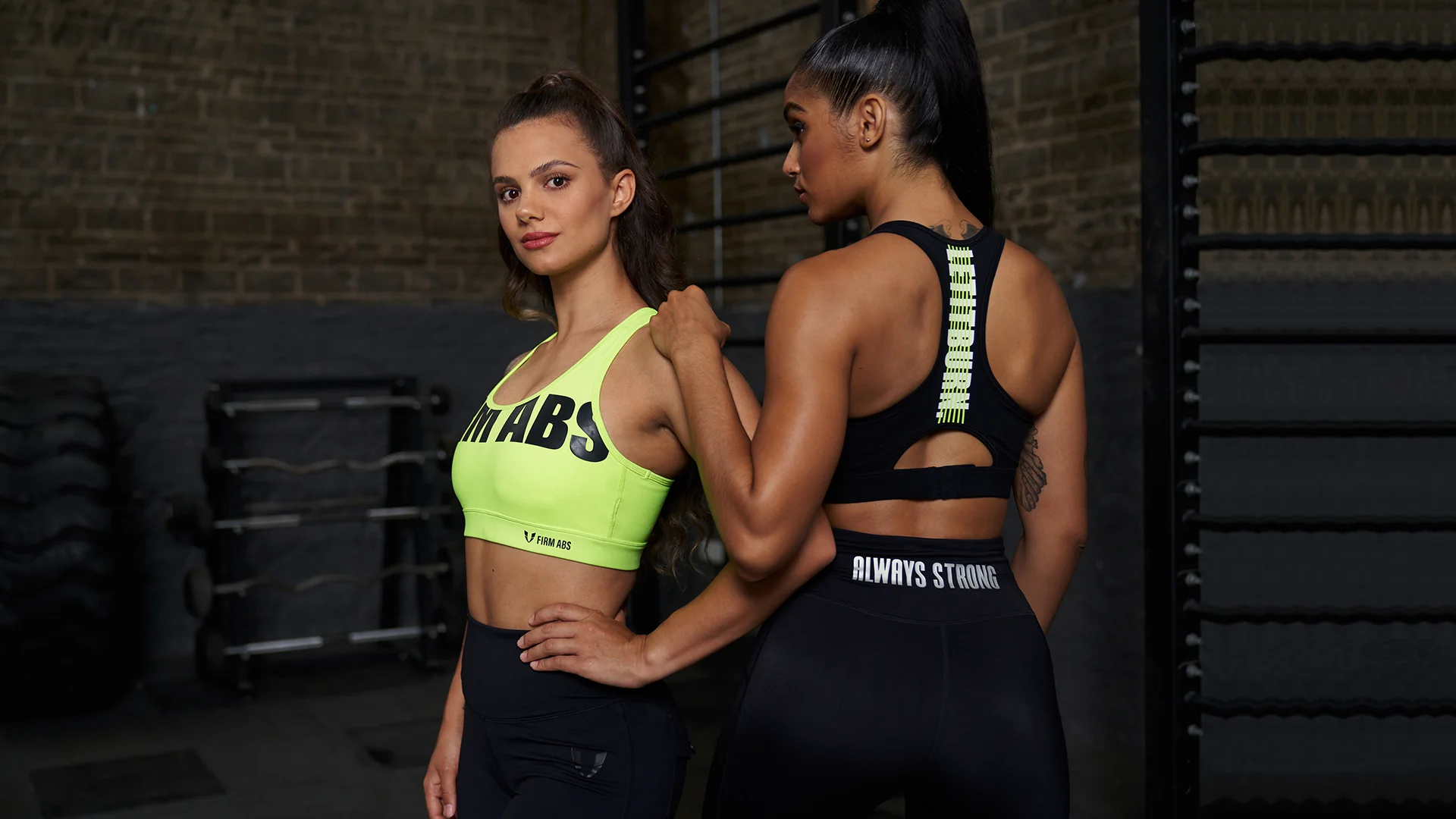
👉 Most brands combine these strategies.
Step 4: Set Your Profit Margin
Typical gym wear pricing:
- wholesale: 2x–3x production cost
- retail: 4x–6x production cost
👉 Example:
- production cost: $10
- retail price: $40–$60
Step 5: Analyze Competitor Pricing
Study brands in your niche:
- pricing range
- product quality
- branding level
👉 Position yourself strategically—not necessarily cheaper.
Step 6: Balance Cost, Quality and Brand Value
Avoid:
- pricing too low → reduces perceived value
- pricing too high → reduces sales
👉 The goal is to match price with perceived value.
Step 7: Adjust Pricing Over Time
As your brand grows:
- improve margins
- optimize costs
- adjust pricing based on demand
👉 Pricing is not fixed—it evolves.
Common Pricing Mistakes to Avoid
Mistake 1: Ignoring Hidden Costs
Shipping, marketing, and returns affect profit.
Mistake 2: Competing Only on Price
Leads to low margins.
Mistake 3: Overpricing Without Brand Value
Reduces conversion.
Mistake 4: No Pricing Strategy
Creates inconsistent positioning.
How Fukigymwear Helps Brands Optimize Pricing
At FuKi Gymwear, we support brands with cost-efficient production.
Our approach:
- transparent cost breakdown
- fabric recommendations for budget control
- efficient production planning
- scalable manufacturing
What we offer:
- low MOQ (100 pcs)
- sampling in 7–10 days
- bulk production in 25–35 days
- private label customization
- global shipping support
👉 We help brands achieve better margins and competitive pricing.
FAQ
Q1: What is a good profit margin for gym wear?
Typically 60%–75% at retail level.
Q2: Should I price lower than competitors?
Not always—focus on value, not just price.
Q3: Can pricing change over time?
Yes, as your brand grows and costs improve.
Conclusion
Pricing gym wear products requires balancing cost, positioning, and market demand.
By understanding your costs, choosing the right strategy, and adjusting over time, you can build a profitable and competitive brand.
If you are looking for a reliable partner, FuKi Gymwear can help you optimize production costs and support your pricing strategy.
