
Entering the premium activewear market requires more than just a higher price tag. Premium customers aren't just buying leggings; they are investing in advanced textile technology, ethical transparency, and a specific social identity.
In this Fukigymwear Insight, we analyze the specific levers brand owners must pull to transition from a "budget" or "mid-tier" brand to a high-end luxury player in the fitness industry.
Table of Contents
- The Definition of 'Premium' in 2026
- 1. Fabric Innovation as a Competitive Moat
- 2. Aesthetic Minimalism and "Quiet Luxury"
- 3. The Power of Specialized Craftsmanship
- 4. Sustainable and Ethical Transparency
- 5. Premium Customer Experience (CX)
- Premium Market Readiness Checklist
- FAQ
- Conclusion
The Definition of 'Premium' in 2026
In today’s market, "premium" is no longer defined by a large logo. It is defined by utility and exclusivity. A premium brand solves problems the customer didn't even know they had—such as silver-infused anti-odor yarns or bonded seams that disappear against the skin.
1. Fabric Innovation as a Competitive Moat
Premium buyers are highly educated about textiles. To position your brand at the top, you must move beyond generic polyester.
- Proprietary Blends: Work with manufacturers like Fukigymwear to develop custom hand-feels—think "buttery soft" yet "highly compressive."
- Technical Specs: Highlight high-performance features like 4-way stretch, GRS-certified recycled nylons, and rapid-dry technology.
- Touch and Feel: The "hand-feel" of the fabric is the first thing a premium customer evaluates. If it feels like a commodity, it cannot be priced as a luxury.
2. Aesthetic Minimalism and "Quiet Luxury"
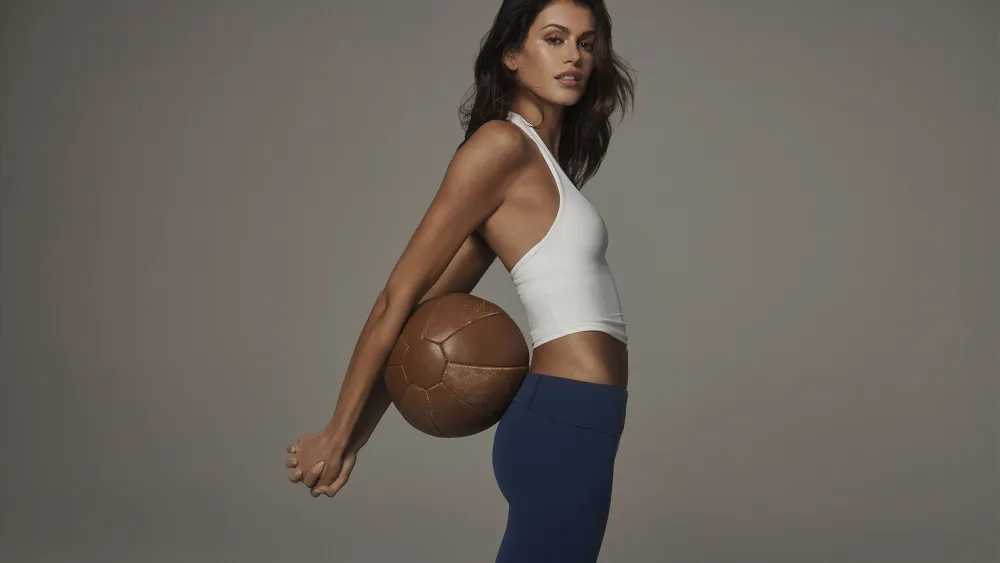
High-end activewear often follows the "less is more" philosophy.
- Subtle Branding: Move away from loud, oversized prints. Use 3D silicone logos, tonal embroidery, or hidden reflective tags.
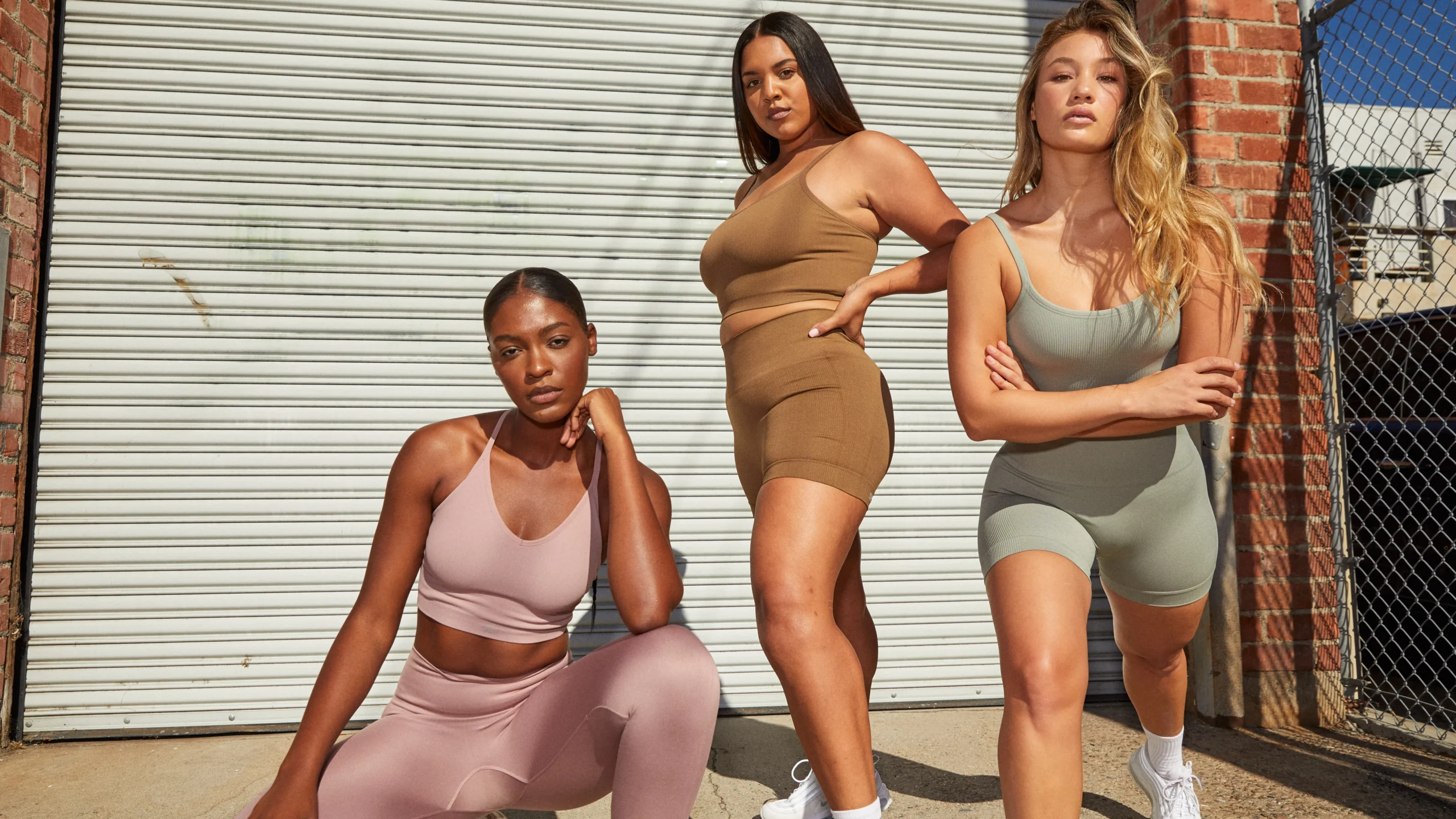
- Color Palettes: Utilize "elevated" neutrals—earthy tones, muted pastels, and deep mattes—rather than neon or basic primary colors.
- The Silhouette: Focus on ergonomic seam lines that contour the body, providing a "sculpting" effect that justifies a higher price point.
3. The Power of Specialized Craftsmanship
The construction of the garment must be flawless. Premium decision-makers look for:
- Bonded Seams: Replacing traditional stitching with heat-bonded seams for a sleek, weightless feel.
- Laser-Cut Ventilation: Precision-cut holes for breathability that don't fray.
- High-Stitch Density: Ensuring the garment maintains its shape after 100+ washes.
4. Sustainable and Ethical Transparency
A premium customer often prioritizes their values as much as their vanity.
- Traceability: Can you prove where your yarn came from?
- Certifications: Display your OEKO-TEX, GRS, or BSCI audit results prominently.
- Ethical Manufacturing: Position your brand as a partner to high-standard factories that prioritize worker welfare. This "clean" supply chain is a massive selling point for luxury buyers.
5. Premium Customer Experience (CX)
The "unboxing" and post-purchase journey must match the product quality.
- Sustainable Packaging: Use compostable mailers, heavy-duty reusable frosted bags, and thick, textured hangtags.
- Exclusivity: Use "drop" models or limited-edition colors to create a sense of urgency and scarcity.
Premium Market Readiness Checklist
Use this Fukigymwear checklist to see if your brand is ready for the high-end market:
- [ ] Is your fabric custom-developed or a "stock" market fabric?
- [ ] Do your garments use Flatlock or Bonded seams?
- [ ] Is your branding subtle and integrated?
- [ ] Do you have certified proof of ethical manufacturing?
- [ ] Does your packaging reflect a $100+ price point?
👉 Develop Your Premium Line with Fukigymwear
FAQ
Can a startup launch directly into the premium market?
Yes, but it requires a higher initial investment in fabric R&D and high-quality content (photography/videography) to convey the brand's value.
Why is 'Hand-Feel' so important?
In a retail environment, the "touch" of the fabric is the primary driver of the "perceived value." If it feels cheap, the customer will not pay a premium.
Does premium mean low MOQ is impossible?
Not necessarily, but custom-developed luxury fabrics often require higher minimums. However, specialized manufacturers like Fukigymwear can help navigate these constraints for growing brands.
Conclusion
Positioning your brand for the premium market is an intentional process of elevating every touchpoint—from the yarn to the yarn-dying process, and from the seam to the screen. By focusing on innovation, minimalism, and ethics, you create a brand that customers don't just wear, but a brand they aspire to be part of.
At Fukigymwear, we specialize in the technical execution required to compete at the highest levels of the activewear industry.
