
Table of Contents
- Quick Answer
- Why Leggings Quality Is Hard to Get Right
- Key Elements of High-Quality Leggings
- Step-by-Step: How High-Quality Leggings Are Manufactured
- Critical Technical Details Brands Often Miss
- Common Manufacturing Mistakes
- High vs Low Quality Leggings Comparison
- Fukigymwear Case Study: How We Produce Leggings
- FAQ
- Conclusion
Quick Answer
High-quality leggings are manufactured through precise fabric selection, accurate pattern development, controlled cutting, specialized stitching, and strict quality testing to ensure durability, comfort, and performance.
At FuKi Gymwear, leggings production is treated as a technical process—not just basic garment manufacturing.
Why Leggings Quality Is Hard to Get Right
Leggings look simple, but they are one of the most technically demanding products in activewear.
Why?
- high stretch requirements
- tight body fit
- need for squat-proof performance
- high customer expectations
Even small production errors can lead to:
- transparency issues
- poor fit
- seam breakage
- discomfort during movement
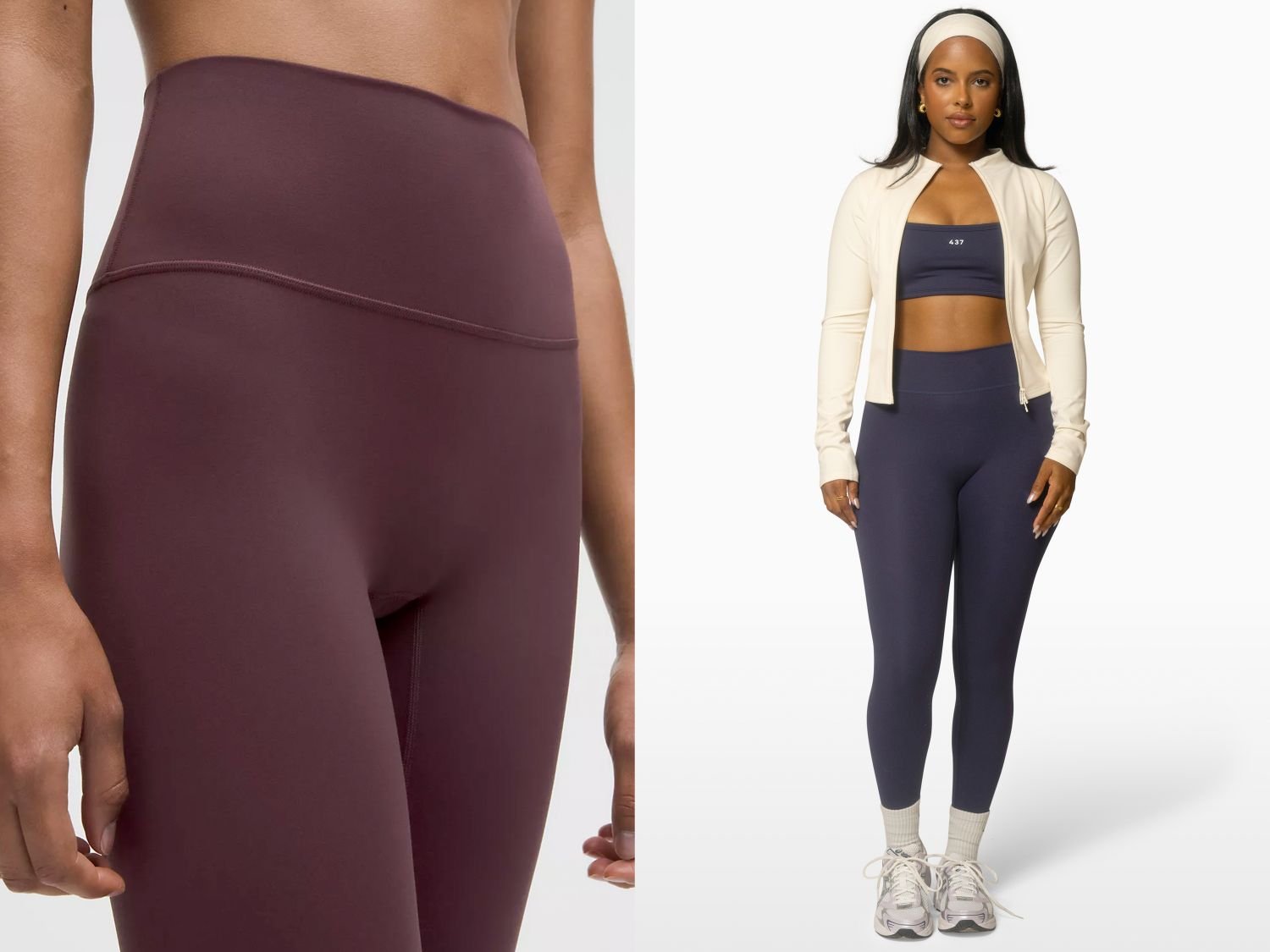
👉 That’s why leggings require specialized manufacturing expertise.
Key Elements of High-Quality Leggings
1. Fabric Quality
Leggings require:
- strong stretch and recovery
- opacity under tension
- soft and smooth feel
Popular options:
- Nylon + Spandex → premium
- Polyester + Spandex → cost-effective
2. Fit & Pattern Design
Good leggings must:
- contour the body naturally
- avoid slipping down
- provide balanced compression
3. Waistband Structure
A high-quality waistband should:
- stay in place during movement
- maintain elasticity
- provide support without discomfort
4. Stitching Quality
Key stitching types:
- flatlock → comfort
- overlock → durability
- coverstitch → flexibility
Step-by-Step: How High-Quality Leggings Are Manufactured
1. Fabric Selection & Testing
Manufacturers test fabric for:
- stretch & recovery
- opacity (squat-proof)
- durability
👉 This step determines overall product performance.
2. Pattern Development
Pattern making includes:
- body contour mapping
- panel placement
- stretch direction alignment
Poor pattern = poor fit.
3. Fabric Relaxation
Fabric is rested before cutting to:
- release tension
- prevent distortion
4. Precision Cutting
Cutting must ensure:
- consistent sizing
- correct stretch direction
- accurate panel alignment
5. Sewing & Assembly
Manufacturers use:
- stretch-compatible thread
- specialized machines
- controlled tension settings
6. Waistband Construction
Waistband is one of the most critical parts.
Options include:
- elastic waistband
- double-layer waistband
- compression waistband
7. Quality Testing
Before bulk approval:
- stretch testing
- fit testing
- wash testing
- seam strength testing
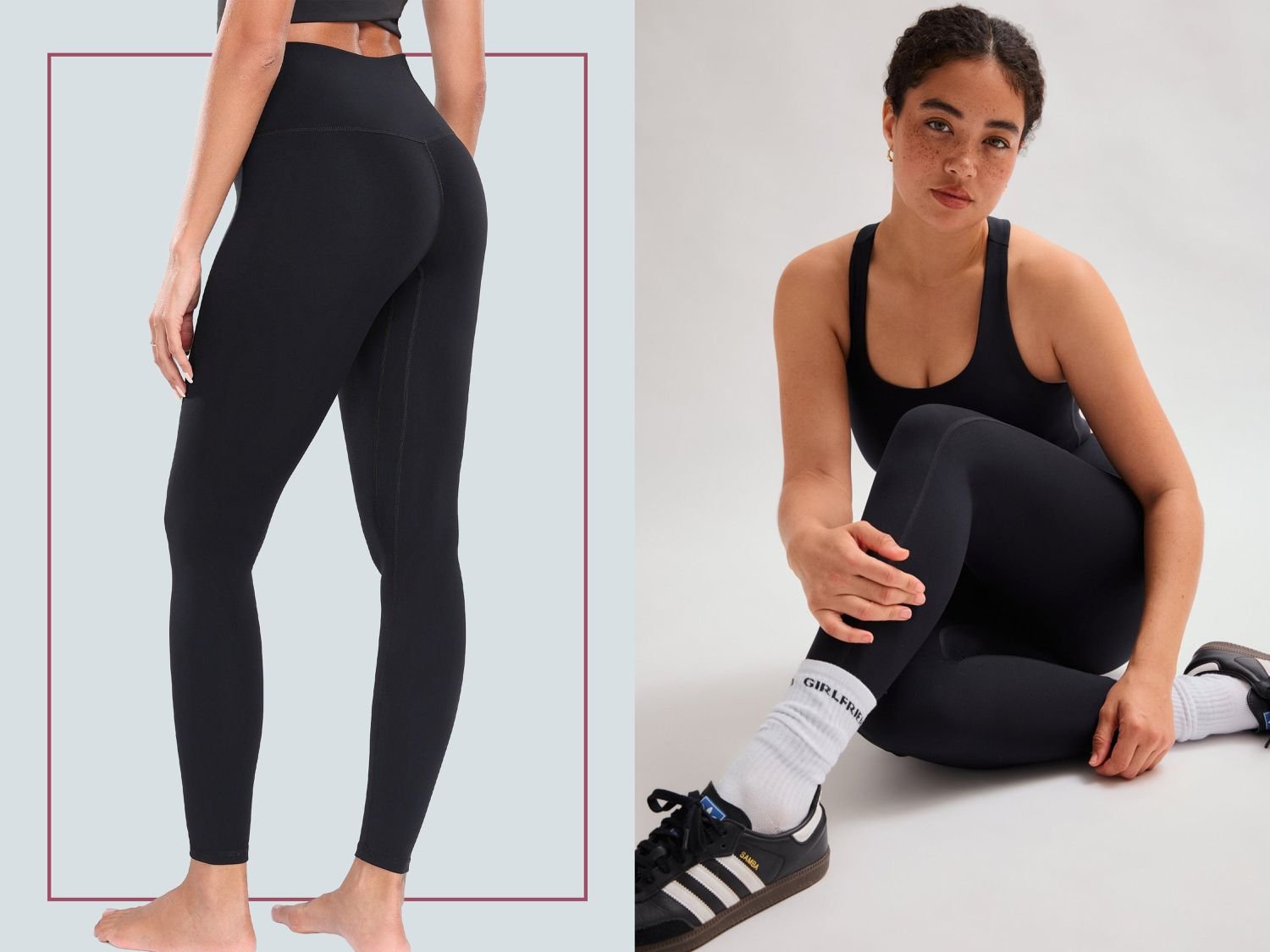
8. Final Inspection
Final checks include:
- measurement accuracy
- seam quality
- fabric condition
- logo placement
Critical Technical Details Brands Often Miss
1. Stretch Direction Control
Wrong direction = poor fit and discomfort.
2. Opacity Under Stretch
Fabric may look thick but become transparent when worn.
3. Seam Elasticity
Seams must stretch with fabric to avoid breakage.
4. Fabric Recovery
Poor recovery leads to baggy knees.
Common Manufacturing Mistakes
Mistake 1: Choosing Fabric Only by Price
Leads to poor durability and performance.
Mistake 2: Ignoring Sample Testing
Bulk production risks increase.
Mistake 3: Poor Waistband Design
Results in leggings slipping down.
Mistake 4: Weak Stitching
Causes seam failure during workouts.
High vs Low Quality Leggings Comparison
| Feature | High-Quality Leggings | Low-Quality Leggings |
|---|---|---|
| Fabric | Strong & opaque | Thin & transparent |
| Fit | Body-contouring | Loose or uneven |
| Waistband | Supportive | Slips down |
| Stitching | Durable & flexible | Weak & rough |
| Performance | Consistent | Unreliable |
Fukigymwear Case Study: How We Produce Leggings
At FuKi Gymwear, leggings production follows a structured system.
Our process includes:
- fabric performance evaluation
- custom pattern development
- precision cutting
- advanced stitching
- multi-stage quality control
What we offer brands:
- low MOQ (100 pcs)
- fast sampling (7–10 days)
- bulk production (25–35 days)
- private label customization
- global shipping
👉 Our focus is to ensure every pair of leggings performs consistently in real use.
FAQ
Q1: What fabric is best for leggings?
Nylon + spandex is considered premium, but polyester blends are also widely used.
Q2: Why are some leggings see-through?
This is caused by low fabric density or poor quality control.
Q3: How can I ensure leggings quality?
Work with experienced manufacturers and test samples thoroughly before bulk production.
Conclusion
Manufacturing high-quality leggings requires more than just fabric and stitching—it requires a complete system of control from start to finish.
Brands that invest in proper production processes can create better products, reduce returns, and build long-term customer trust.
If you are looking for a reliable manufacturing partner, FuKi Gymwear can help you develop high-quality leggings that meet real performance standards.
