
Table of Contents
- Quick Answer
- Why Performance T-Shirts Are Not Basic Products
- Key Elements of High-Performance T-Shirts
- Fabric Selection for Performance Tees
- Fit & Pattern Development
- Moisture Management & Breathability
- Printing & Branding Considerations
- Step-by-Step Development Process
- Common Mistakes Brands Make
- High vs Low Quality Comparison
- How Fukigymwear Develops Performance T-Shirts
- FAQ
- Conclusion
Quick Answer
Performance T-shirts for fitness brands are developed through specialized fabric selection, ergonomic pattern design, moisture-wicking technology, and durability testing to ensure comfort, breathability, and long-term performance.
At FuKi Gymwear, performance tees are engineered to meet real workout conditions—not just visual design requirements.
Why Performance T-Shirts Are Not Basic Products
At first glance, T-shirts seem simple—but performance T-shirts are highly functional garments.
They must handle:
- sweat and moisture
- body movement
- heat and airflow
- repeated washing
If not developed correctly, issues include:
- sticky or heavy fabric
- poor breathability
- bad fit during movement
- quick wear and tear
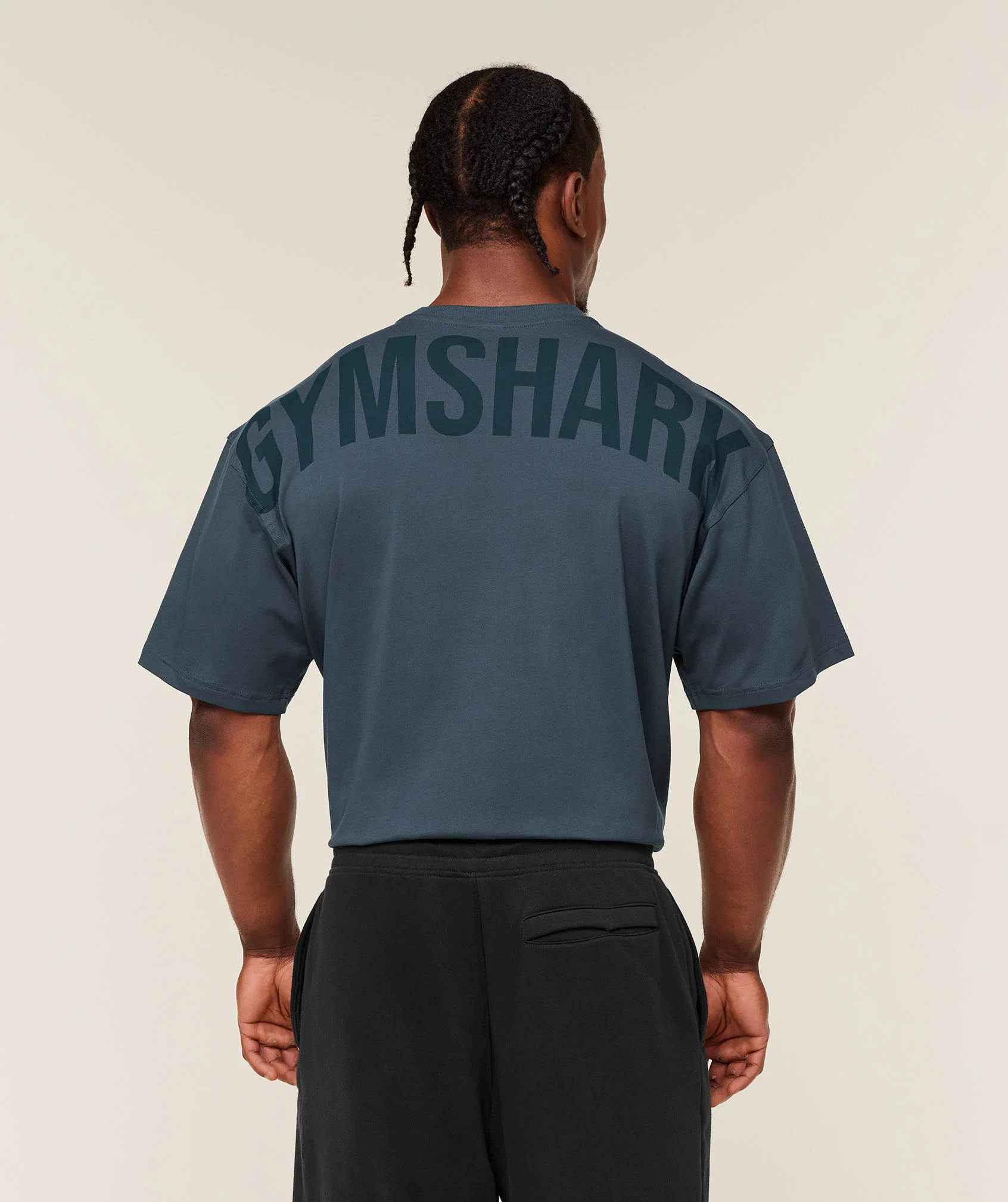
👉 This is why performance tees require technical development.
Key Elements of High-Performance T-Shirts
1. Fabric Performance
The fabric must provide:
- moisture-wicking
- breathability
- lightweight feel
- durability
2. Fit & Comfort
Performance T-shirts should:
- allow full range of motion
- avoid tightness or restriction
- maintain shape during activity
3. Durability
High-quality tees must:
- resist pilling
- maintain color
- withstand repeated washing
4. Sweat Management
Fabric must keep the body:
- dry
- cool
- comfortable
Fabric Selection for Performance Tees
Fabric is the most important factor in performance T-shirt development.
Common fabric options:
Polyester Performance Fabric
- excellent moisture-wicking
- lightweight
- durable
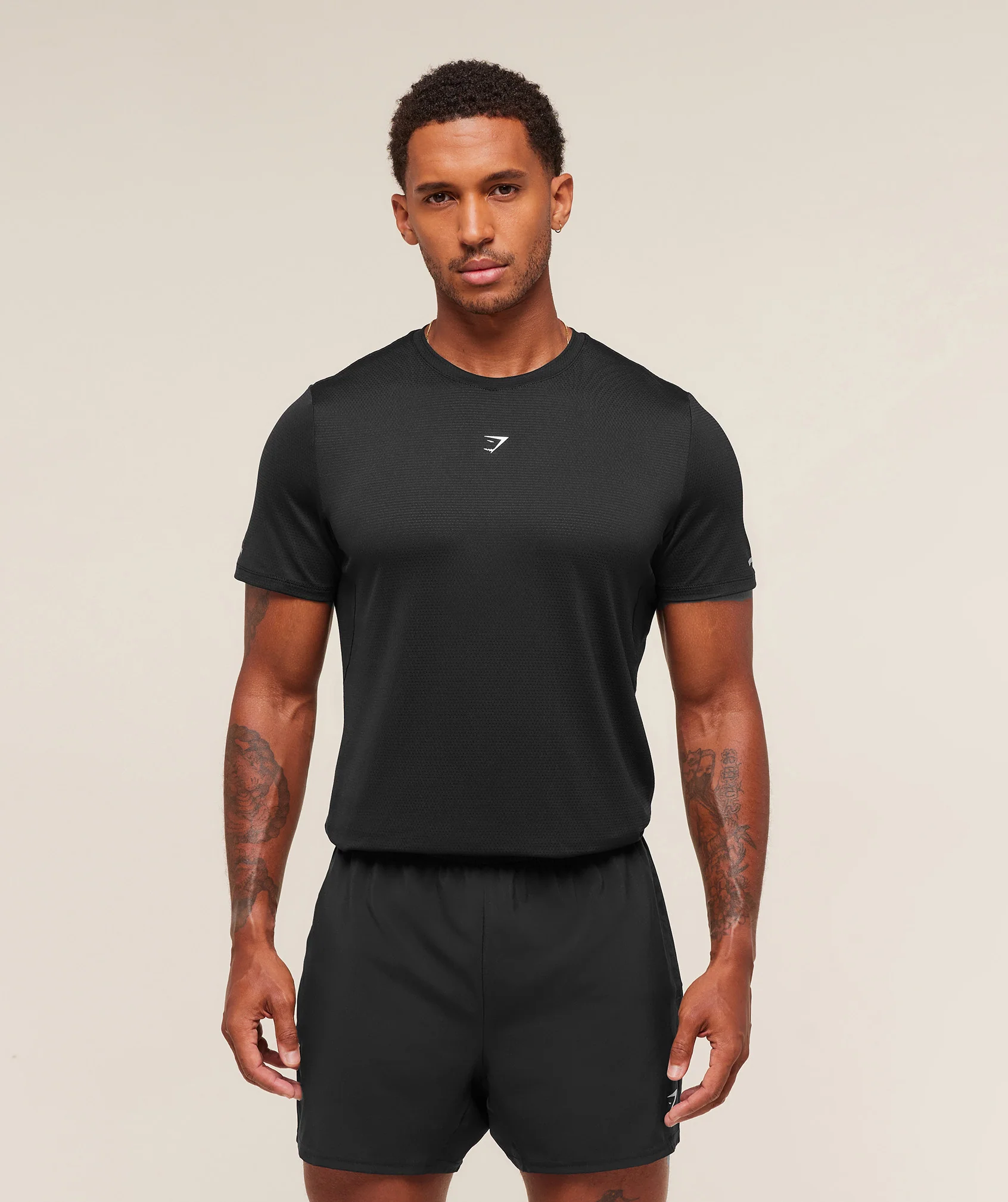
👉 Most widely used for gym T-shirts
Nylon Blends
- softer feel
- premium positioning
Polyester + Spandex
- added stretch
- improved flexibility
Mesh Fabric
- enhanced airflow
- used in panels or full garments
👉 Fabric selection should match the brand’s positioning and target use.
Fit & Pattern Development
Fit plays a major role in performance.
Key considerations:
- shoulder structure
- sleeve mobility
- body contour
- length balance
Good pattern design ensures:
- comfort during movement
- consistent sizing
- better product appearance
Moisture Management & Breathability
Performance T-shirts must manage sweat effectively.
Key technologies:
- moisture-wicking yarns
- quick-dry finishes
- breathable knit structures
Without proper moisture control:
- fabric feels heavy
- discomfort increases
- performance decreases
Printing & Branding Considerations
Branding must work with performance fabric.
Suitable methods:
- heat transfer printing
- silicone printing
- lightweight screen printing
Avoid:
- heavy prints that reduce breathability
- rigid logos that crack
👉 Printing should not affect fabric performance.
Step-by-Step Development Process
1. Fabric Selection & Testing
Evaluate:
- moisture-wicking
- breathability
- durability
2. Pattern Development
Design based on:
- body movement
- target fit
- activity type
3. Sampling
Create samples to test:
- fit
- comfort
- performance
4. Fabric & Garment Testing
Test for:
- wash durability
- shrinkage
- colorfastness
5. Production Preparation
Finalize:
- materials
- sizing
- specifications
6. Bulk Production & QC
Ensure:
- consistency
- quality control
- accurate sizing
Common Mistakes Brands Make
Mistake 1: Using Cotton for Performance
Cotton absorbs sweat and dries slowly.
Mistake 2: Ignoring Breathability
Leads to overheating during workouts.
Mistake 3: Overloading with Heavy Prints
Reduces comfort and flexibility.
Mistake 4: Skipping Testing
Increases risk of product failure.
High vs Low Quality Comparison
| Feature | High-Performance T-Shirt | Low-Quality T-Shirt |
|---|---|---|
| Fabric | Moisture-wicking | Absorbs sweat |
| Breathability | High | Low |
| Fit | Ergonomic | Basic |
| Durability | Long-lasting | Wears quickly |
| Comfort | Lightweight | Heavy when wet |
How Fukigymwear Develops Performance T-Shirts
At FuKi Gymwear, we follow a structured development process.
Our approach:
- performance-based fabric selection
- ergonomic pattern design
- advanced production techniques
- strict quality control
What we offer:
- low MOQ (100 pcs)
- sampling in 7–10 days
- bulk production in 25–35 days
- private label customization
- global shipping support
👉 We help brands develop performance T-shirts that meet real fitness demands.
FAQ
Q1: What is the best fabric for performance T-shirts?
Polyester-based fabrics are the most commonly used due to their moisture-wicking properties.
Q2: Can performance T-shirts stretch?
Yes, blends with spandex provide additional flexibility.
Q3: Why do some gym T-shirts feel uncomfortable?
This is often due to poor fabric selection or lack of breathability.
Conclusion
Developing high-quality performance T-shirts requires more than basic garment production. It involves careful fabric selection, technical design, and strict testing.
Brands that invest in proper development processes can create better products and stand out in the competitive fitness market.
If you are looking for a reliable manufacturing partner, FuKi Gymwear can help you develop performance T-shirts that deliver real results.
