
Table of Contents
- Quick Answer
- Why Style Selection Matters
- Overview: How to Choose the Right Styles
- Step 1: Define Your Target Audience
- Step 2: Align with Your Brand Positioning
- Step 3: Follow Market Trends (But Don’t Copy)
- Step 4: Focus on Core Product Categories
- Step 5: Balance Function and Design
- Step 6: Start with a Small, Focused Collection
- Step 7: Test and Optimize Based on Feedback
- Common Mistakes When Choosing Styles
- How Fukigymwear Helps You Select the Right Styles
- FAQ
- Conclusion
Quick Answer
Choosing the right styles for your gym wear brand requires understanding your audience, aligning with your brand positioning, focusing on key products, and balancing performance with design.
At FuKi Gymwear, we help brands select styles that are both market-ready and production-efficient.
Why Style Selection Matters
Your product styles define your brand.
They influence:
- customer perception
- product demand
- pricing strategy
- brand identity
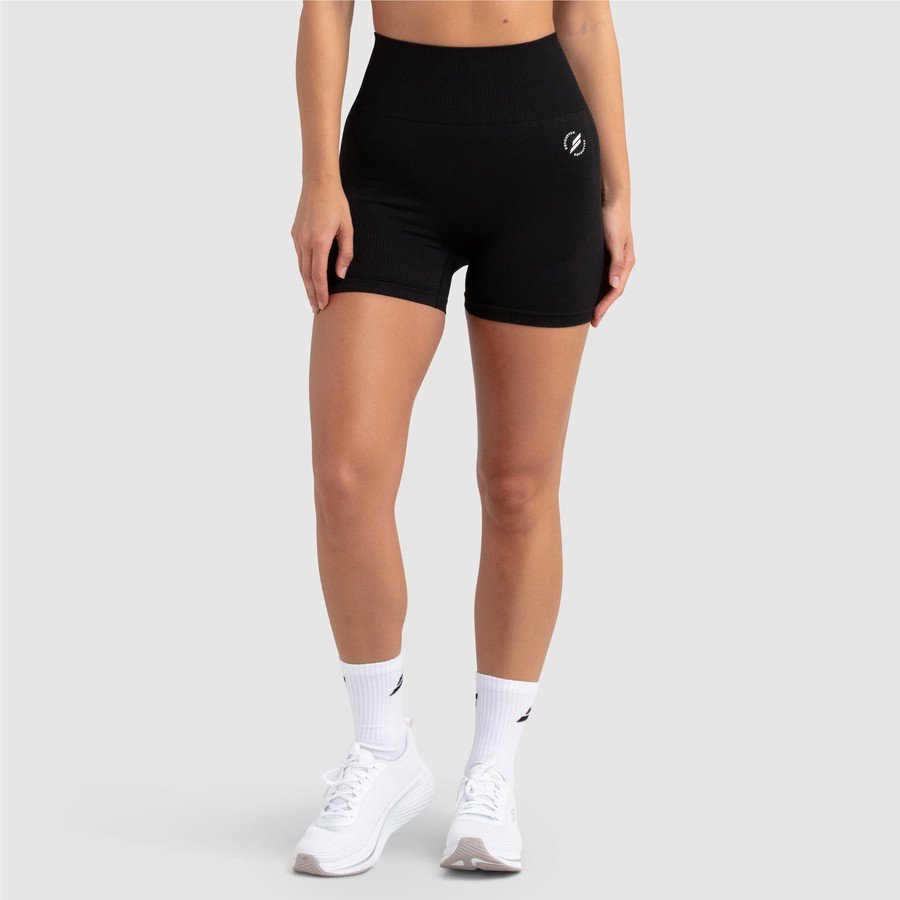
👉 The wrong styles can lead to unsold inventory and weak brand positioning.
Overview: How to Choose the Right Styles
A strong style selection process includes:
- understanding your audience
- defining your brand
- analyzing trends
- selecting core products
- testing and improving
👉 Each step helps you build a focused and competitive product line.
Step 1: Define Your Target Audience
Start by identifying who you are designing for.
Examples:
- gym beginners
- professional athletes
- yoga enthusiasts
- lifestyle fitness consumers
👉 Different audiences prefer different styles.
Step 2: Align with Your Brand Positioning
Your styles must match your brand identity.
Examples:
- premium performance → high-tech fabrics, clean design
- fashion-focused → bold colors, trendy cuts
- budget-friendly → simple, practical designs
👉 Consistency strengthens your brand.
Step 3: Follow Market Trends (But Don’t Copy)
Trends can guide your decisions.
Popular trends include:
- seamless activewear
- oversized gym wear
- minimal branding styles
👉 Use trends as inspiration, not as your entire strategy.
Step 4: Focus on Core Product Categories
Start with essential products.
Common core items:
- leggings
- sports bras
- gym T-shirts
- shorts
👉 Strong basics are easier to sell and scale.
Step 5: Balance Function and Design
Activewear must perform well.
Focus on:
- comfort
- stretch
- durability
- fit
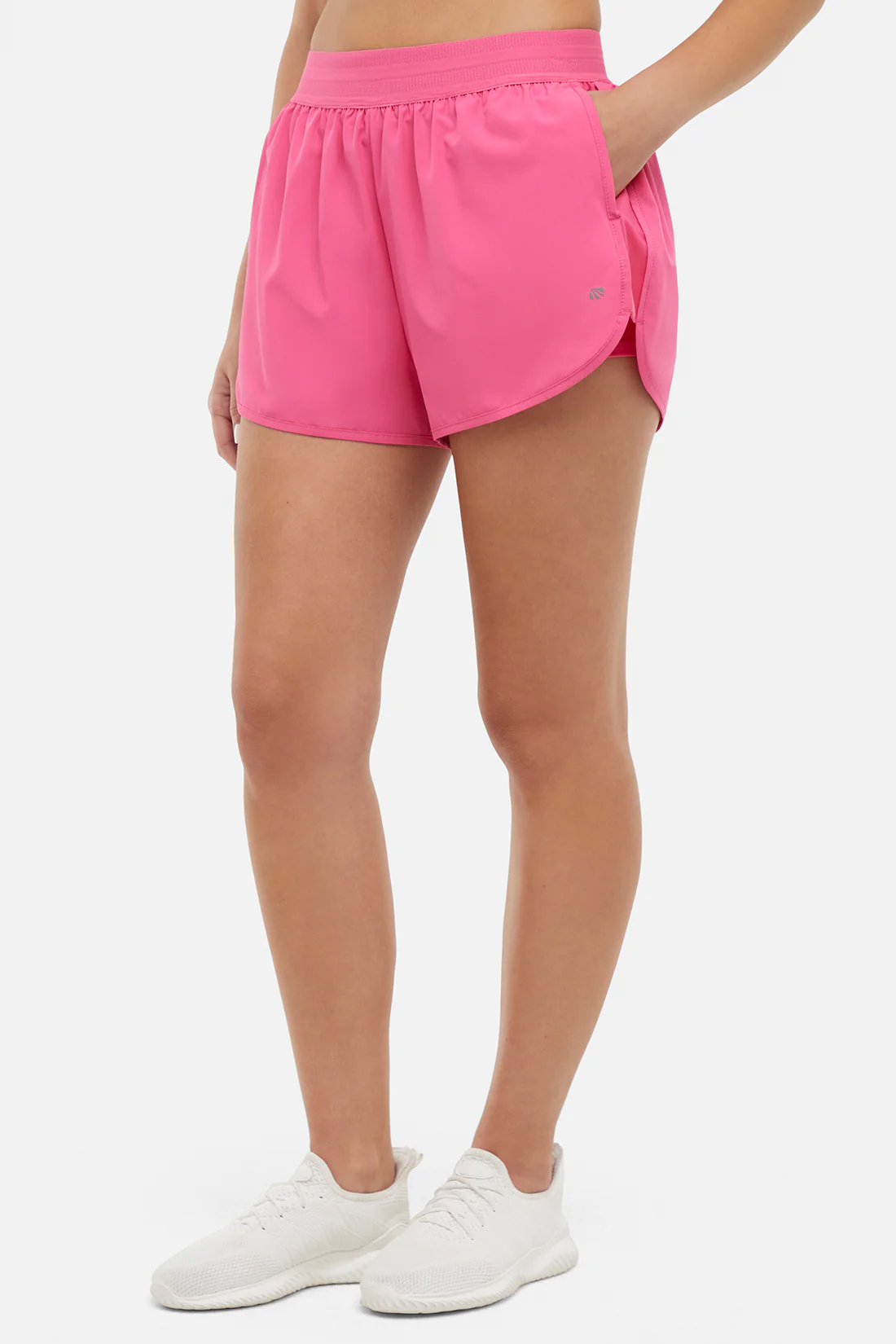
👉 Good design without performance will fail.
Step 6: Start with a Small, Focused Collection
Avoid launching too many styles.
Start with:
- 3–5 key products
- limited color options
👉 A focused collection reduces risk and improves efficiency.
Step 7: Test and Optimize Based on Feedback
After launch:
- analyze sales data
- gather customer feedback
- improve designs
👉 Successful brands evolve over time.
Common Mistakes When Choosing Styles
Mistake 1: Following Trends Blindly
Leads to lack of brand identity.
Mistake 2: Too Many Styles at Launch
Increases cost and complexity.
Mistake 3: Ignoring Product Performance
Results in poor customer experience.
Mistake 4: Not Testing Products
Leads to unsold inventory.
How Fukigymwear Helps You Select the Right Styles
At FuKi Gymwear, we support brands in product selection.
Our approach:
- market-driven style recommendations
- fabric and performance guidance
- production feasibility analysis
- cost optimization
What we offer:
- low MOQ (100 pcs)
- sampling in 7–10 days
- bulk production in 25–35 days
- private label customization
- global shipping support
👉 We help you choose styles that sell and scale.
FAQ
Q1: How many styles should I start with?
3–5 core products are ideal for new brands.
Q2: Should I follow trends?
Yes, but adapt them to your brand identity.
Q3: What is the most important factor?
Balancing design, performance, and market demand.
Conclusion
Choosing the right styles for your gym wear brand is essential for building a strong and successful product line.
By focusing on your audience, brand positioning, and product performance, you can create styles that stand out and sell.
If you are looking for a reliable partner, FuKi Gymwear can help you develop the right styles and bring your brand to market efficiently.
