
Table of Contents
- Quick Answer
- Why Fabric Matters More Than Design
- The 6 Most Common Gym Wear Fabrics Explained
- Fabric Comparison Table
- Choosing Fabric by Workout Type
- Fabric Blends: What Actually Works Best
- Key Performance Metrics to Check
- Common Fabric Mistakes to Avoid
- FAQs
- Work With Fuki Gymwear
Quick Answer
If you want the short version:
- High-intensity training → Polyester + Spandex blend
- Weight training → Nylon + Spandex
- Low-impact / yoga → Nylon-rich stretch fabric
- Outdoor training → Moisture-wicking + quick-dry polyester
- Cold weather → Brushed thermal fabric
In my experience manufacturing performance apparel, fabric determines 80% of comfort and durability — design is secondary.
Now let’s break it down properly.
Why Fabric Matters More Than Design
Many people focus on style first.
But in real workouts, fabric affects:
- Sweat management
- Stretch & recovery
- Odor resistance
- Longevity after washing
- Compression support
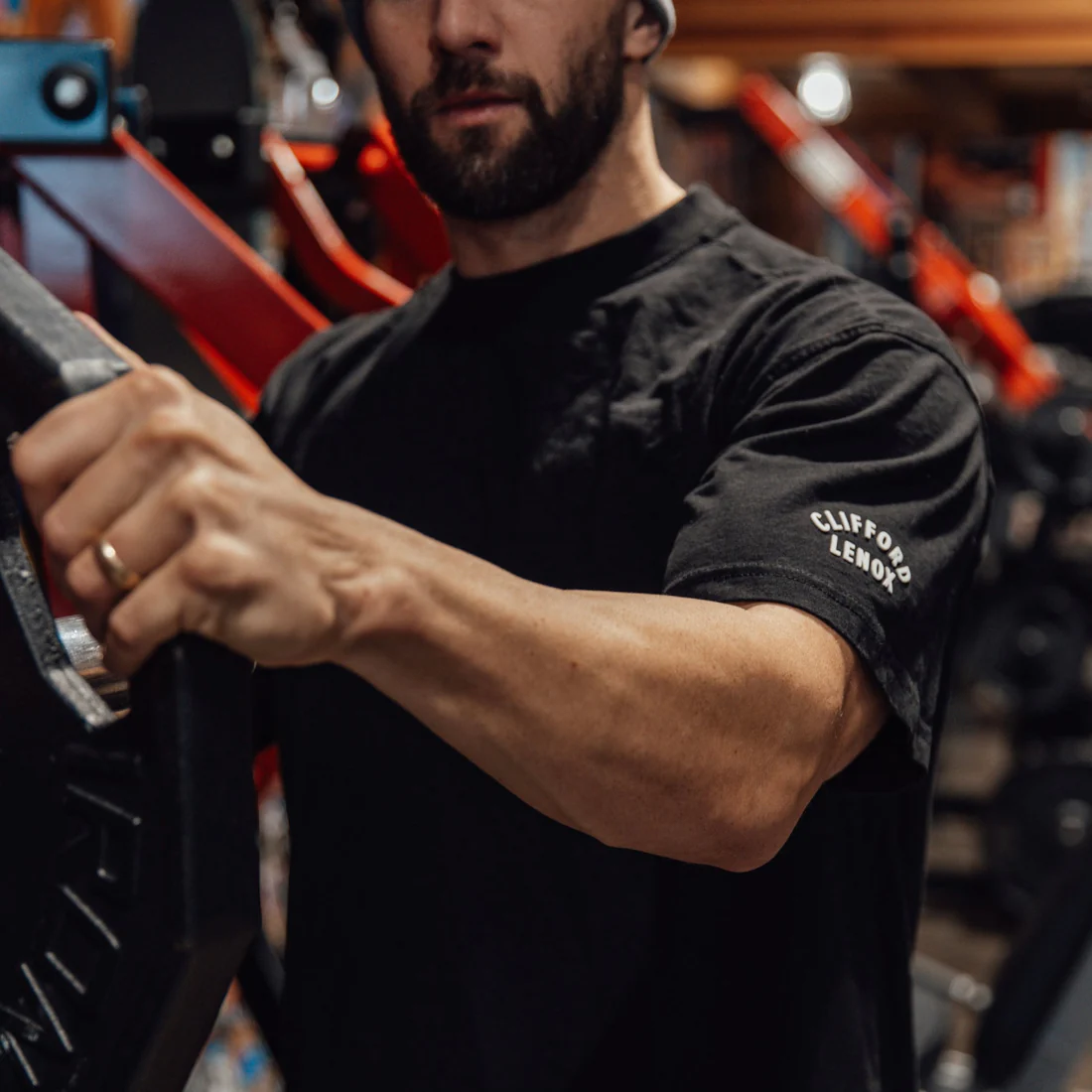
Brands like Nike and Under Armour invest heavily in textile technology because performance starts at fiber level.
From a manufacturer’s perspective, two garments can look identical — but feel completely different depending on GSM, yarn structure, and fiber blend.
The 6 Most Common Gym Wear Fabrics Explained
1️⃣ Polyester
- Lightweight
- Excellent moisture-wicking
- Quick drying
- Affordable
Best for: HIIT, running, cardio
Downside: Can feel less premium without blending.
2️⃣ Nylon
- Softer hand feel
- Higher durability
- Better abrasion resistance
Best for: Strength training, leggings, fitted tops
Feels more premium than polyester.
3️⃣ Spandex (Elastane)
- Provides stretch
- Usually 5–25% of blend
- Improves shape retention
Essential for compression wear.
4️⃣ Cotton (Limited Use)
- Soft and breathable
- Poor moisture control
Better for lifestyle gym wear — not intense workouts.
5️⃣ Bamboo / Modal Blends
- Soft
- Natural feel
- Moderate moisture performance
More suitable for light training.
6️⃣ Thermal / Brushed Fabric
- Heat retention
- Slightly heavier GSM
- Ideal for winter training
Fabric Comparison Table
| Fabric | Sweat Control | Stretch | Durability | Best For |
|---|---|---|---|---|
| Polyester | Excellent | Medium | High | HIIT, Running |
| Nylon | Very Good | High | Very High | Lifting |
| Polyester + Spandex | Excellent | High | High | Cardio |
| Nylon + Spandex | Very Good | Very High | Very High | Compression |
| Cotton | Low | Low | Medium | Casual wear |
| Thermal | Medium | Medium | High | Cold weather |
Choosing Fabric by Workout Type
Here’s how I advise clients:
HIIT & Cardio
Choose:
- Lightweight polyester blend
- 4-way stretch
- Fast-dry finish
Avoid heavy GSM fabrics.
Weight Training
Choose:
- Nylon-dominant blend
- Higher GSM (220–260 GSM)
- Shape retention
You need durability and stretch recovery.
Yoga & Pilates
Choose:
- Nylon + 20% spandex
- Buttery soft finish
- Matte texture
Flexibility and comfort matter more than sweat evaporation speed.
Outdoor / Summer Training
Choose:
- Quick-dry polyester
- UV protection
- Breathable knit structure
Winter Workouts
Choose:
- Brushed interior
- Thermal compression
- Mid-weight fabric
Fabric Blends: What Actually Works Best
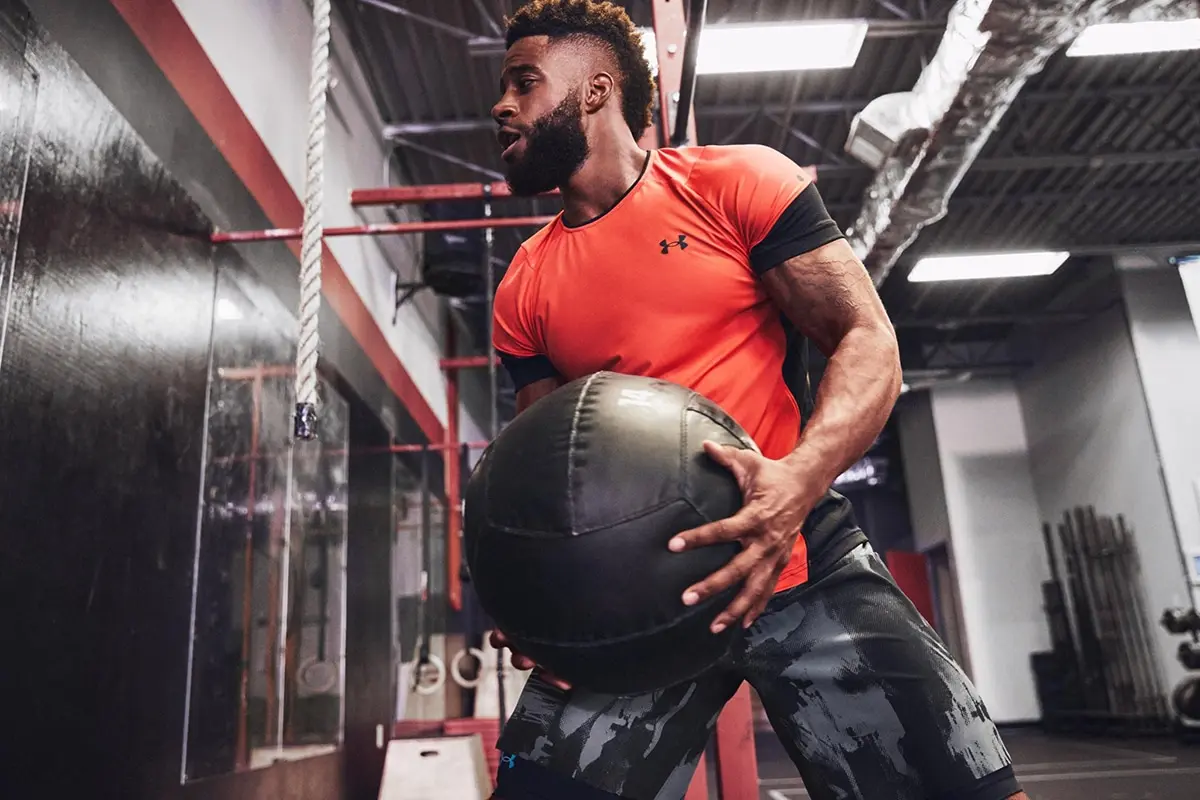
In my professional experience, pure fabrics rarely perform best.
The most reliable blends are:
- 88% Polyester / 12% Spandex
- 75% Nylon / 25% Spandex
- 90% Polyester / 10% Elastane
Blends balance:
- Stretch
- Durability
- Recovery
- Comfort
If you’re developing custom gym wear, fabric sampling is critical before bulk production.
Key Performance Metrics to Check
When evaluating gym wear fabric, ask about:
- GSM (fabric weight)
- Stretch percentage
- Recovery rate
- Moisture-wicking test results
- Pilling resistance
- Shrinkage after wash
These technical details separate premium products from basic ones.
Common Fabric Mistakes to Avoid
- Choosing cotton for high-intensity training
- Ignoring fabric weight (too thin = see-through)
- Overusing spandex (reduces durability)
- Selecting shiny, low-grade polyester
- Skipping wash testing
Fabric failure usually shows after 5–10 washes.
FAQs
Is polyester better than nylon for gym wear?
Polyester is better for sweat-heavy cardio. Nylon feels softer and more premium for strength training.
What fabric is best for leggings?
Nylon + spandex blend with high stretch recovery.
What GSM is ideal for gym wear?
- 160–200 GSM for lightweight tops
- 220–260 GSM for leggings and compression
Does higher spandex mean better quality?
No. Too much spandex can reduce durability.
Work With Fuki Gymwear
If you're developing performance-focused activewear, fabric selection should be your first decision.
At Fuki Gymwear, we help brands:
- Develop custom fabric blends
- Test performance metrics
- Optimize GSM and stretch
- Create private label performance collections
We specialize in structured, premium-performance textiles designed specifically for real training environments.
Final Thoughts
Choosing the right gym wear fabric isn’t complicated — but it is technical.
Focus on:
- Workout type
- Fabric blend
- Stretch recovery
- Durability
When fabric performs well, everything else follows.

