
Launching a gym apparel brand is exciting, but many new brands make the same mistake: they release too many products without a clear strategy.
From my experience working with activewear manufacturers and startup fitness brands, the most successful gym apparel collections are focused, performance-driven, and built around real athlete needs.
Instead of launching dozens of items, successful brands usually start with a small, well-designed product lineup that solves specific problems for their target customers.
In this guide, I’ll explain how to build a winning gym apparel collection, what products to start with, and how to structure your lineup for long-term brand growth.
Table of Contents
- Quick Answer
- Why Product Strategy Matters for Gym Apparel Brands
- Core Products Every Gym Apparel Collection Needs
- How to Choose the Right Fabrics for Your Collection
- Designing for Performance and Comfort
- Gym Apparel Collection Example Structure
- Common Mistakes New Fitness Brands Make
- FAQs
- Develop Your Gym Apparel Collection With Fuki Gymwear
Quick Answer {#quick-answer}
A winning gym apparel collection typically includes:
- training shirts or performance tees
- gym shorts or training pants
- compression or performance tops
- leggings or joggers
- lightweight training hoodies
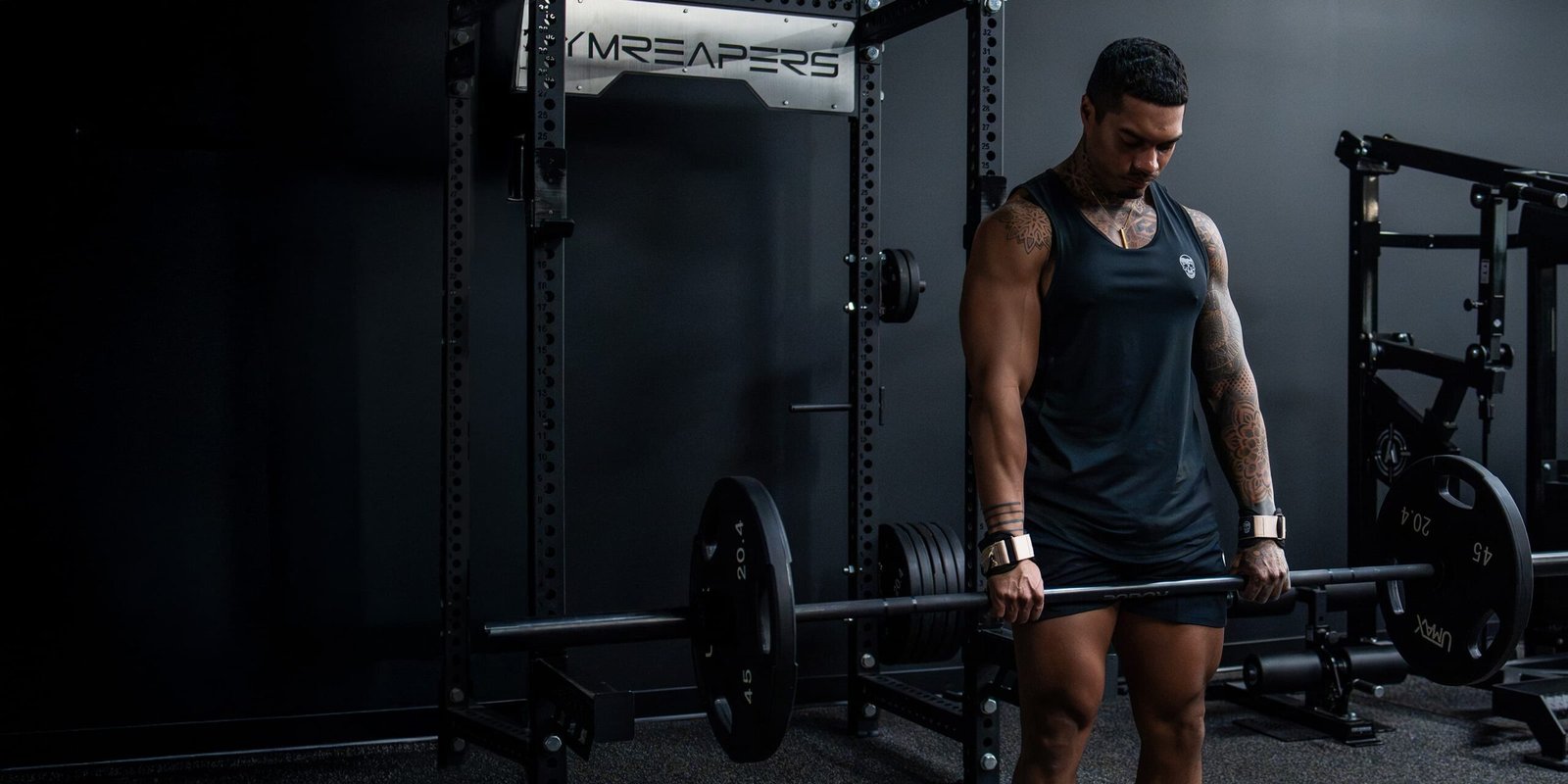
Starting with a focused product lineup allows brands to test the market and build customer trust before expanding.
Why Product Strategy Matters for Gym Apparel Brands {#product-strategy}
Gym apparel is one of the fastest-growing categories in fashion.
However, competition is also intense. Without a clear product strategy, brands often struggle with:
- unsold inventory
- unclear brand positioning
- inconsistent product quality
Successful brands focus on quality, functionality, and customer needs rather than launching too many products.
Brands like Gymshark initially focused on a small number of performance products before expanding globally.
Core Products Every Gym Apparel Collection Needs {#core-products}
Most successful gym apparel brands start with a few essential product categories.
1. Performance T-Shirts
Training shirts are one of the most versatile gym clothing items.
Key features include:
- moisture-wicking fabrics
- breathable mesh panels
- stretch performance materials
2. Training Shorts
Gym shorts are essential for many workouts.
Look for features such as:
- lightweight fabrics
- flexible waistbands
- sweat-wicking materials
3. Compression Tops
Compression clothing helps support muscles during workouts.
These products are popular for:
- strength training
- high-intensity workouts
- athletic training
4. Leggings or Joggers
Leggings and joggers provide comfort and mobility.
They are commonly used for:
- gym training
- yoga
- athleisure styling
5. Training Hoodies
Lightweight hoodies are popular for warm-ups and casual gym wear.
They add versatility to a fitness apparel collection.
How to Choose the Right Fabrics for Your Collection {#fabric-selection}
Fabric choice plays a major role in product performance.
Common performance fabrics include:
- polyester-spandex blends
- nylon performance fabrics
- recycled performance textiles
These fabrics improve:
- sweat control
- flexibility
- durability
Organizations such as Textile Exchange emphasize the importance of responsible textile sourcing in modern apparel production.
Designing for Performance and Comfort {#design-performance}
Great gym apparel must balance function and design.
Important design factors include:
Fit and Mobility
Athletic clothing should allow full movement during exercises.
Moisture Management
Sweat-wicking fabrics improve workout comfort.
Durability
Reinforced seams and strong fabrics increase product lifespan.
Style and Branding
Modern gym wear often combines performance features with lifestyle design.
Gym Apparel Collection Example Structure {#collection-structure}
Here is a simple example of how a new gym apparel brand might structure its first collection.
| Product Category | Purpose | Key Features |
|---|---|---|
| Performance T-Shirt | Core training item | Breathable fabric |
| Gym Shorts | High-intensity workouts | Lightweight and flexible |
| Compression Top | Muscle support | Stretch performance fabric |
| Joggers / Leggings | Comfort and mobility | Durable stretch fabric |
| Training Hoodie | Warm-up and casual wear | Soft performance fleece |
This type of collection structure allows brands to cover essential workout needs without overcomplicating the product lineup.
Common Mistakes New Fitness Brands Make {#mistakes}
Many new brands encounter problems during product development.
Common mistakes include:
- launching too many products too quickly
- ignoring fabric quality
- choosing fashion over performance
- working with inexperienced manufacturers
- skipping product testing
Avoiding these mistakes can significantly improve the success of a new gym apparel collection.
FAQs {#faqs}
How many products should a new gym apparel brand launch?
Many successful brands start with 3–5 core products before expanding.
What fabrics are best for gym apparel?
Polyester blends and nylon-spandex fabrics are commonly used for performance activewear.
Should gym apparel focus more on performance or style?
Ideally both, but performance should always come first.
Is it expensive to start a gym apparel brand?
Costs vary depending on product complexity, fabric choice, and production quantity.
Develop Your Gym Apparel Collection With Fuki Gymwear {#fuki}
If you're planning to launch a fitness apparel brand, choosing the right manufacturing partner is essential.
At Fuki Gymwear, we help brands create high-performance gym apparel including:
- custom gym wear manufacturing
- private label fitness apparel production
- performance fabric sourcing
- custom men's activewear development
Our team works closely with brands to develop durable, performance-driven gym clothing collections designed for modern athletes.
Final Thoughts
Building a successful gym apparel collection requires thoughtful planning, quality materials, and a clear understanding of athlete needs.
By starting with a focused product lineup and prioritizing performance features, new brands can create gym apparel collections that stand out in a competitive market.

