
Table of Contents
- Quick Answer
- Why Brand Identity Matters in Activewear
- Overview: What Makes a Strong Brand Identity
- Step 1: Define Your Target Audience
- Step 2: Clarify Your Brand Positioning
- Step 3: Create a Distinct Visual Identity
- Step 4: Develop Signature Products
- Step 5: Ensure Product Quality Consistency
- Step 6: Build a Consistent Brand Voice
- Step 7: Align Marketing & Content Strategy
- Common Branding Mistakes to Avoid
- How Fukigymwear Supports Brand Building
- FAQ
- Conclusion
Quick Answer
A strong activewear brand identity is built through clear positioning, consistent design, high-quality products, and aligned messaging across all channels.
At FuKi Gymwear, we help brands turn ideas into consistent, market-ready products that support long-term brand growth.
Why Brand Identity Matters in Activewear
The activewear market is highly competitive.
A strong brand identity helps you:
- stand out from competitors
- build customer trust
- justify pricing
- create loyal customers

👉 Without a clear identity, even good products struggle to succeed.
Overview: What Makes a Strong Brand Identity
A complete brand identity includes:
- target audience definition
- brand positioning
- visual identity
- product consistency
- communication style
👉 All elements must work together.
Step 1: Define Your Target Audience
Start by identifying your audience.
Examples:
- gym beginners
- professional athletes
- yoga lifestyle consumers
- streetwear fitness audience
👉 Clear targeting helps shape your entire brand.
Step 2: Clarify Your Brand Positioning
Decide what your brand stands for.
Common positioning options:
- premium performance
- affordable activewear
- eco-friendly fitness apparel
- fashion-driven gym wear
👉 Positioning defines your value in the market.
Step 3: Create a Distinct Visual Identity
Your visual identity includes:
- logo design
- color palette
- typography
- product aesthetics
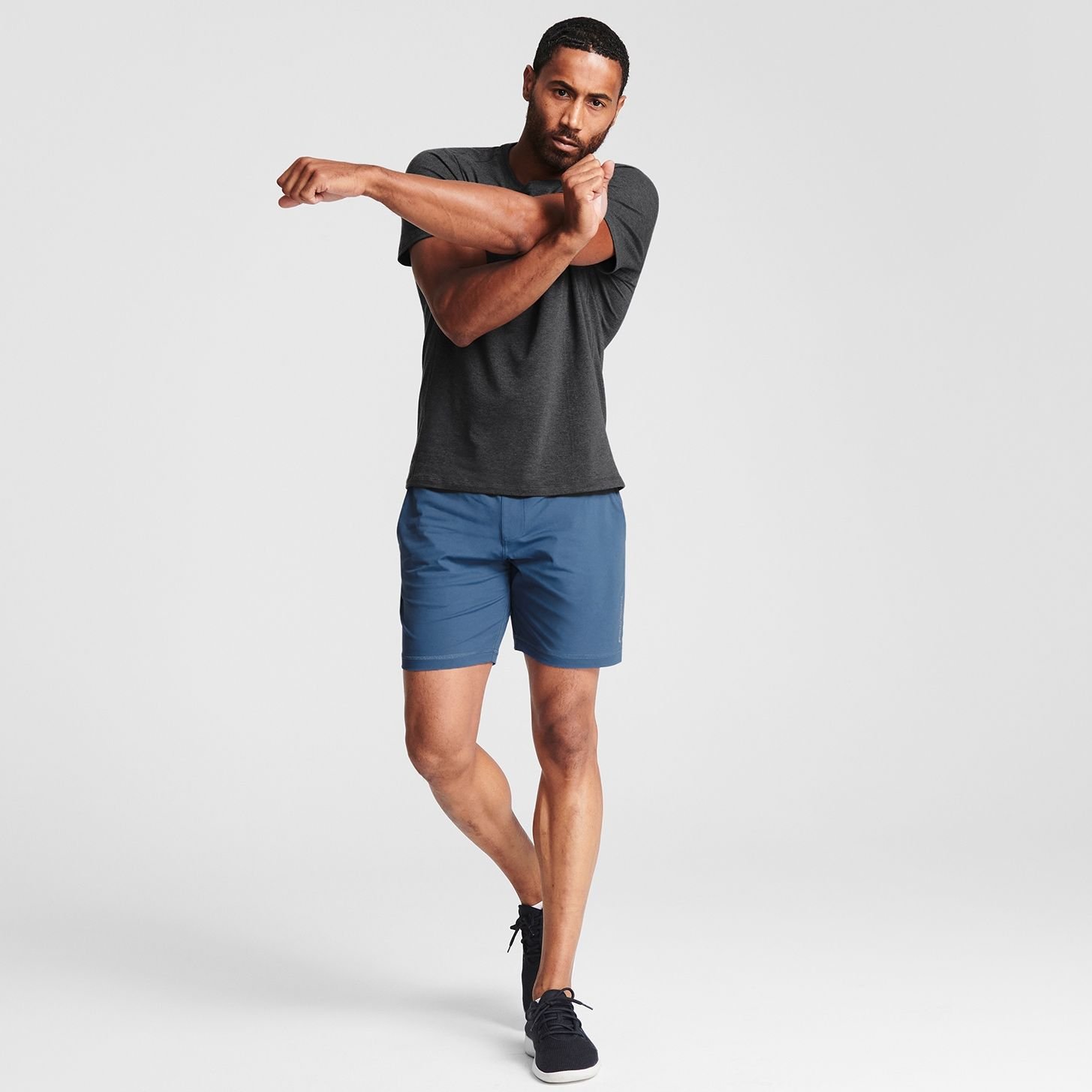
👉 Consistent visuals make your brand recognizable.
Step 4: Develop Signature Products
Strong brands are known for key products.
Examples:
- high-performance leggings
- seamless sports bras
- oversized gym tees
👉 Focus on creating standout products.
Step 5: Ensure Product Quality Consistency
Consistency builds trust.
This includes:
- fabric quality
- fit and sizing
- durability
👉 Customers expect the same quality every time.
Step 6: Build a Consistent Brand Voice
Your communication style should match your brand.
Examples:
- performance-focused tone
- lifestyle-oriented messaging
- minimalist and premium
👉 Consistent messaging strengthens identity.
Step 7: Align Marketing & Content Strategy
Your branding should be reflected across:
- website
- social media
- product descriptions
- advertising
👉 Consistency across channels builds recognition.
Common Branding Mistakes to Avoid
Mistake 1: Trying to Target Everyone
Leads to weak positioning.
Mistake 2: Inconsistent Visual Identity
Confuses customers.
Mistake 3: Poor Product Quality
Damages brand reputation.
Mistake 4: Lack of Differentiation
Makes your brand forgettable.
How Fukigymwear Supports Brand Building
At FuKi Gymwear, we help brands build strong identities through production support.
Our approach:
- product development guidance
- fabric recommendations
- consistent quality control
- flexible customization
What we offer:
- low MOQ (100 pcs)
- sampling in 7–10 days
- bulk production in 25–35 days
- private label customization
- global shipping support
👉 We help turn your brand concept into consistent products.
FAQ
Q1: What is the most important part of brand identity?
Clear positioning and consistent product quality.
Q2: How long does it take to build a brand identity?
It develops over time through consistent effort.
Q3: Can manufacturers help with branding?
Yes, especially in product development and consistency.
Conclusion
Building a strong activewear brand identity requires clear positioning, consistent design, and reliable product quality.
Brands that focus on these elements can stand out and grow sustainably.
If you are looking for a reliable partner, FuKi Gymwear can help you develop products that support your brand identity and long-term success.
