
Sustainability is no longer just a marketing buzzword in the fashion world. It has become one of the most important forces shaping the future of the activewear industry.
Over the past few years, I’ve worked with several fitness apparel startups that specifically requested eco-friendly fabrics and responsible production methods. This shift reflects a broader change in consumer expectations: people want clothing that performs well while also reducing environmental impact.
In this article, I’ll explain how sustainability is transforming the activewear industry, what technologies are driving the change, and how clothing brands can adapt to this new reality.
Table of Contents
- Why Sustainability Matters in Activewear
- Environmental Challenges in the Activewear Industry
- Sustainable Fabrics Used in Modern Activewear
- Eco-Friendly Manufacturing Practices
- Sustainable Activewear vs Traditional Activewear
- Why Consumers Prefer Sustainable Fitness Apparel
- How Brands Can Build Sustainable Activewear Lines
- Challenges of Sustainable Activewear Production
- FAQ About Sustainable Activewear
- Final Thoughts
Why Sustainability Matters in Activewear
The global demand for activewear continues to grow as more people adopt fitness-focused lifestyles.
However, the fashion industry also faces increasing pressure to reduce environmental impact.
According to research from Statista, sustainability has become a major purchasing factor for younger consumers when buying clothing.
For activewear brands, sustainability offers several benefits:
- improved brand reputation
- stronger customer loyalty
- alignment with global environmental initiatives
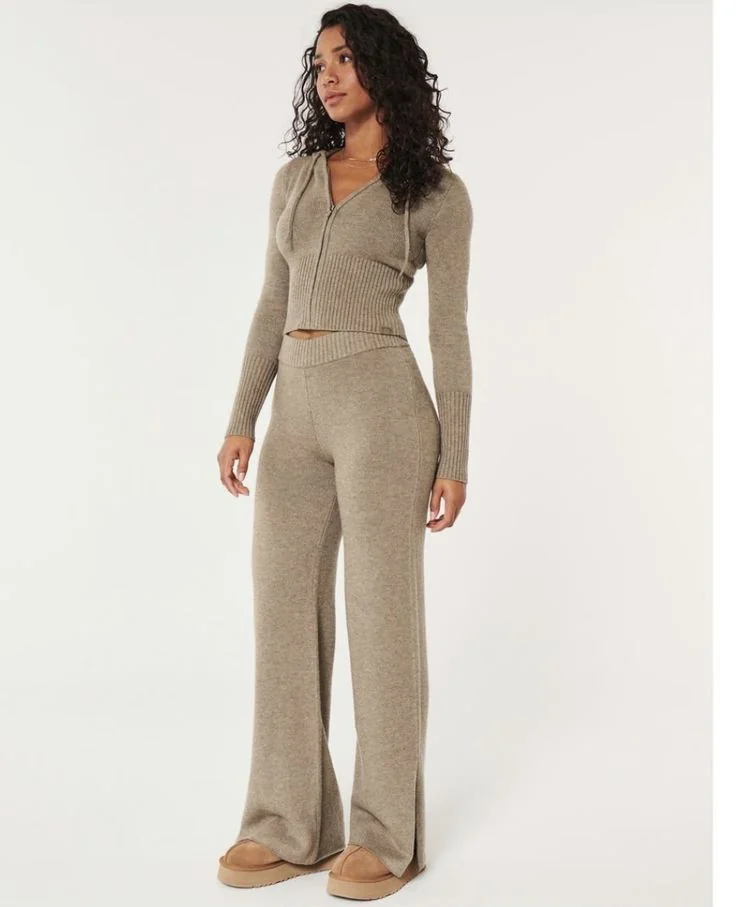
As a result, many fitness apparel companies are investing heavily in sustainable innovation.
Environmental Challenges in the Activewear Industry
Traditional activewear production often relies on synthetic materials such as polyester and nylon.
While these fabrics provide excellent performance, they can also create environmental concerns.
Key Sustainability Challenges
| Issue | Impact |
|---|---|
| synthetic fiber pollution | microplastics in oceans |
| water-intensive dyeing | high water consumption |
| textile waste | landfill overflow |
| energy consumption | carbon emissions |
Because of these challenges, brands are exploring more responsible production methods.
Sustainable Fabrics Used in Modern Activewear
One of the biggest changes in the industry is the rise of eco-friendly fabrics.
These materials aim to reduce environmental impact without sacrificing performance.
Popular Sustainable Activewear Fabrics
| Fabric | Benefits |
|---|---|
| Recycled Polyester | reduces plastic waste |
| Recycled Nylon | durable and eco-conscious |
| Organic Cotton | grown without harmful chemicals |
| Bamboo Fabric | breathable and biodegradable |
These fabrics are becoming increasingly common in modern fitness apparel collections.
Eco-Friendly Manufacturing Practices
Sustainability in activewear goes beyond fabrics. Manufacturing processes also play a major role.
Many factories are adopting eco-friendly practices such as:
- water-saving dye technologies
- energy-efficient production equipment
- reduced chemical usage
- waste recycling systems
Brands looking to produce sustainable activewear often partner with experienced manufacturers.
For example:
👉 Custom Activewear Manufacturer

Manufacturers can help brands integrate eco-friendly fabrics and responsible production techniques.
Sustainable Activewear vs Traditional Activewear
Understanding the differences between sustainable and conventional activewear helps brands make better decisions.
Comparison Table
| Category | Sustainable Activewear | Traditional Activewear |
|---|---|---|
| fabrics | recycled or organic materials | synthetic fibers |
| production | eco-conscious methods | standard manufacturing |
| environmental impact | lower | higher |
| brand perception | responsible and modern | performance-focused |
While sustainable materials may sometimes increase production cost, they also provide long-term brand value.
Why Consumers Prefer Sustainable Fitness Apparel
Consumer behavior has changed dramatically over the last decade.
Many buyers now actively support brands that demonstrate environmental responsibility.
Key Consumer Motivations
- environmental awareness
- ethical production concerns
- long-lasting clothing quality
- alignment with personal values
This shift is particularly strong among younger consumers such as Gen Z and Millennials.
How Brands Can Build Sustainable Activewear Lines
From my experience working with fitness apparel brands, building a sustainable collection requires strategic planning.
Step 1: Choose Responsible Fabrics
Start by selecting recycled or organic materials.
Step 2: Optimize Product Design
Durable products reduce the need for frequent replacement.
Step 3: Work With Responsible Manufacturers
Manufacturing partners should support eco-friendly production methods.
Many startups work with specialized activewear manufacturers to develop sustainable products.
These manufacturers can assist with fabric sourcing, product development, and scalable production.
Challenges of Sustainable Activewear Production
Although sustainability offers many benefits, it also presents several challenges.
Common Challenges
| Challenge | Explanation |
|---|---|
| higher material costs | eco fabrics may be more expensive |
| supply chain complexity | sourcing certified materials |
| limited fabric availability | fewer sustainable suppliers |
Despite these challenges, sustainable activewear continues to gain momentum.
FAQ About Sustainable Activewear
What is sustainable activewear?
Sustainable activewear refers to fitness clothing made with eco-friendly materials and responsible manufacturing practices.
Are sustainable fabrics as durable as traditional materials?
Yes. Many modern recycled fabrics offer performance characteristics similar to traditional textiles.
Why are sustainable activewear products sometimes more expensive?
Eco-friendly materials and responsible production methods can increase manufacturing costs.
Can small brands produce sustainable activewear?
Yes. Many manufacturers now support smaller production runs using eco-friendly materials.
Final Thoughts
Sustainability is reshaping the future of the activewear industry.
As consumer expectations evolve, brands that prioritize environmental responsibility will likely gain a competitive advantage.
From my experience working with fitness apparel companies, the most successful brands combine performance-driven design with sustainable production practices.
If you're planning to develop a sustainable activewear collection, you can learn more here:
Sustainable innovation is not just a trend — it’s becoming a fundamental part of the future of fitness apparel.

