
Lululemon, once known simply for its premium yoga leggings, has transformed into a brand that stands for mindful living and sustainability.
But how exactly is the company responding to the global sustainability movement in 2025 — and is it making a real difference, or just following the trend?
Table of Contents
- Why Sustainability Became Essential for Lululemon
- Lululemon’s “Be Planet” Initiative Explained
- Key Sustainable Materials Lululemon Uses
- Circular Fashion: Resale and Repair Programs
- Comparing Lululemon with Other Eco Brands
- Challenges Lululemon Still Faces
- My Take as a Manufacturer: What Other Brands Can Learn
- FAQs
- About FuKi Gymwear – Sustainable OEM Partner
1. Why Sustainability Became Essential for Lululemon
In the past few years, sustainability has become a non-negotiable expectation in fashion.
Consumers want to know who made their clothes and what impact it has on the planet.
As someone who works with activewear manufacturing daily, I’ve seen how this mindset changed purchasing habits — from price-driven to purpose-driven.
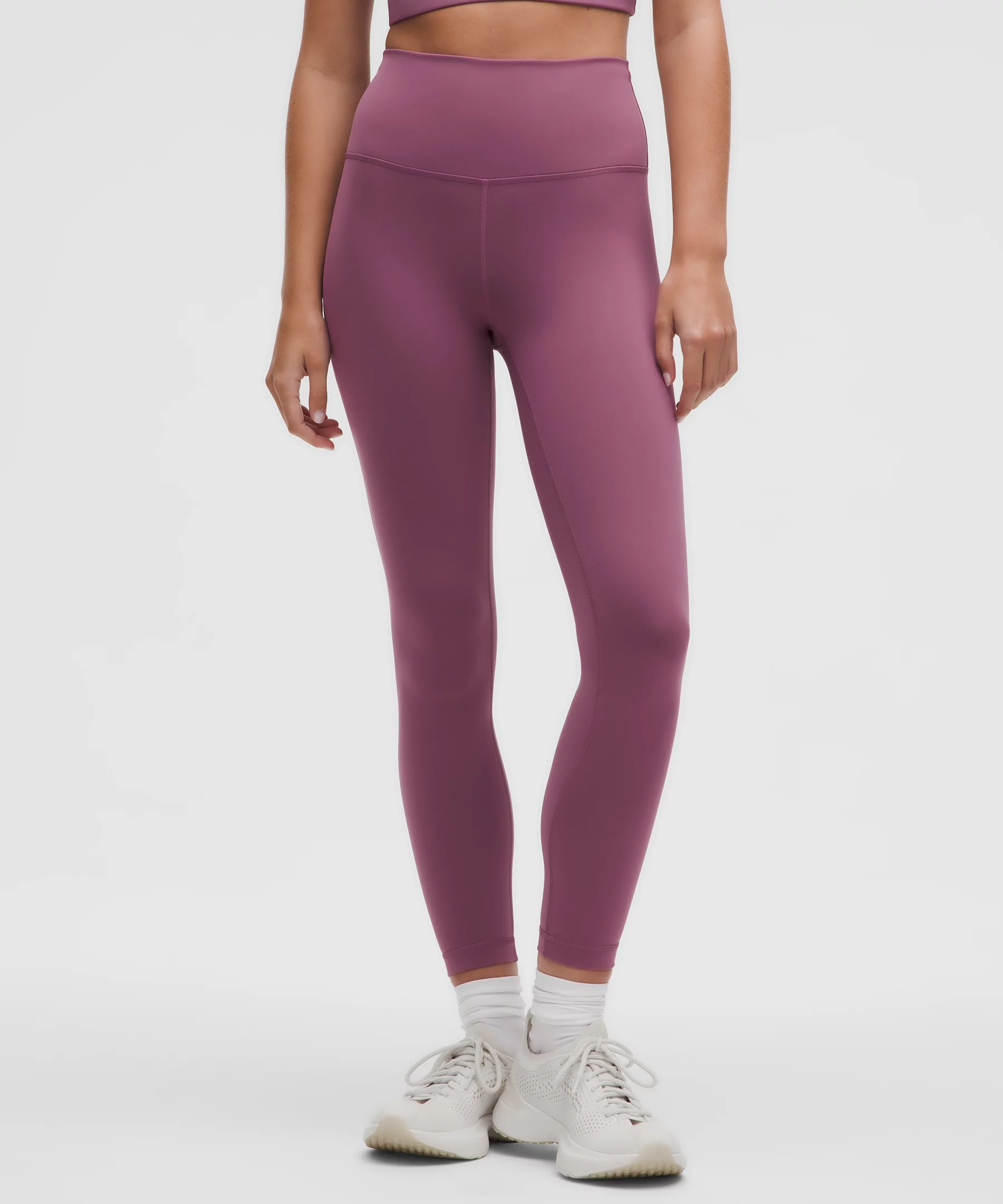
Lululemon’s shift toward sustainability is both a response to market pressure and a way to future-proof its brand image.
2. Lululemon’s “Be Planet” Initiative Explained
In 2021, Lululemon launched its Be Planet framework, committing to:
- 100% renewable electricity for operations by 2030
- 75% sustainable materials by 2025
- Net-zero emissions across its value chain by 2050
You can read more about it in their official sustainability report.
What’s key here is the brand’s holistic approach — covering product, people, and planet rather than just fabrics.
3. Key Sustainable Materials Lululemon Uses
Lululemon continues to innovate with textiles that blend performance and eco-responsibility.
| Material | Source | Purpose | Environmental Impact |
|---|---|---|---|
| Recycled Nylon | From post-consumer waste | Core leggings & bras | Cuts fossil fuel use |
| Recycled Polyester | From plastic bottles | Outerwear & tops | Reduces landfill waste |
| Plant-based Nylon (Q1 2025) | Bio-engineered raw materials | Lightweight yoga fabrics | 30% lower CO₂ footprint |
| Refibra™ Lyocell | Recycled cotton pulp | Yoga tees & tanks | Closed-loop process |
These materials show Lululemon’s gradual move toward closed-loop production — a step every serious brand must take.
4. Circular Fashion: Resale and Repair Programs
Lululemon’s Like New program lets customers trade in used gear for credit, promoting circular consumption.
This model not only reduces waste but also builds emotional loyalty — customers feel part of the sustainability journey.
As a manufacturer, I’ve noticed more B2B brands now request durable stitching, re-sewable seams, and recyclable packaging, inspired by programs like this.
5. Comparing Lululemon with Other Eco Brands
| Brand | Key Focus | Sustainable Strength | Material Transparency |
|---|---|---|---|
| Lululemon | Material recycling | High | Published Impact Report |
| Alo Yoga | Ethical production | Medium | Limited disclosures |
| Vuori | Carbon neutrality | High | Uses recycled ocean plastics |
| FuKi Gymwear | OEM eco fabrics | Custom | Transparent supplier sourcing |
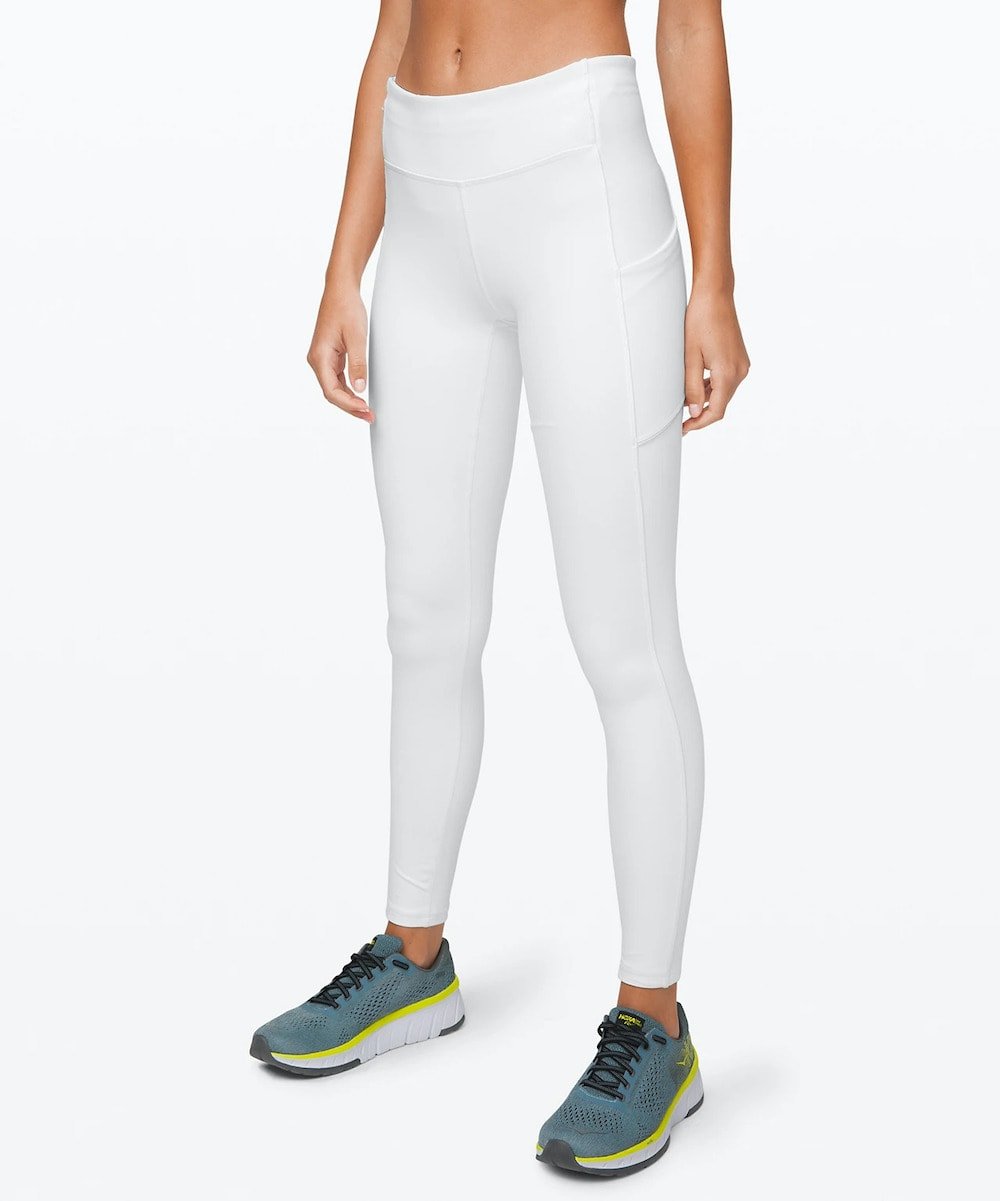
Lululemon leads among global players, but OEM manufacturers like FuKi Gymwear provide more flexible, smaller-scale sustainability solutions for growing brands.
6. Challenges Lululemon Still Faces
Even with strong sustainability goals, Lululemon faces:
- Limited control over overseas suppliers
- Continued reliance on synthetics for performance fabrics
- High pricing that restricts eco-friendly access
True sustainability will require supply-chain traceability and better fiber-to-fabric accountability — areas where smaller, agile factories often excel.
7. My Take as a Manufacturer: What Other Brands Can Learn
From my first-hand manufacturing experience, here are lessons smaller yoga or gymwear brands can learn from Lululemon:
✅ Choose recycled or plant-based fabrics early on
✅ Keep transparency reports simple and authentic
✅ Partner with ethical factories that understand eco-compliance
✅ Promote your sustainability story clearly on your website
These steps can elevate your brand reputation without Lululemon’s massive budget.
8. FAQs
Q1: Is Lululemon fully sustainable now?
Not yet. It’s making progress toward recycled materials and renewable operations, but still uses synthetic blends.
Q2: Are Lululemon’s clothes made ethically?
Yes, most are produced in certified factories across Vietnam, Cambodia, and China under fair-labor programs.
Q3: What’s the most sustainable Lululemon collection?
The Like New resale line and Everlux Recycled fabric items have the strongest eco claims.
9. About FuKi Gymwear – Sustainable OEM Partner
At FuKiGymwear.com, sustainability isn’t a trend — it’s our foundation.
We help yoga and activewear brands produce responsibly with:
- Recycled nylon, rPET, and bamboo fabrics
- Eco-certified dyeing and packaging
- Ethical OEM/ODM production with low MOQ
- Fast sampling and full customization
Visit our OEM Service Page or Custom Yoga Pants Manufacturer to see how we bring sustainability into every stitch.

