
Lululemon is known for premium fabrics and technical performance — but in recent years, it has also been reshaping its sustainability strategy, from recycled materials to responsible sourcing and circular programs.
As someone who works closely with activewear OEM factories, I can clearly see which sustainability efforts are real, which are marketing, and which private-label brands can actually learn from.
This article breaks down Lululemon’s sustainability approach in a simple, practical, and beginner-friendly way — so new and growing brands can understand what truly matters.
Table of Contents
- Quick Answer
- 1. Sustainable Materials and Next-Gen Fibers
- 2. Traceable and Responsible Supply Chains
- 3. Energy-Efficient and Low-Impact Manufacturing
- 4. Repair, Reuse, and Circularity Programs
- 5. What Private-Label Brands Can Learn
- FAQs
- Partnering With FuKi Gymwear
Quick Answer
Lululemon embraces sustainability by focusing on recycled materials, traceable supply chains, low-impact dyeing, renewable-energy-powered factories, and circular programs such as resale and repair.
💬 From my OEM experience: Sustainability succeeds when it is built into fabric selection and manufacturing routines — not added as a “marketing upgrade” later.
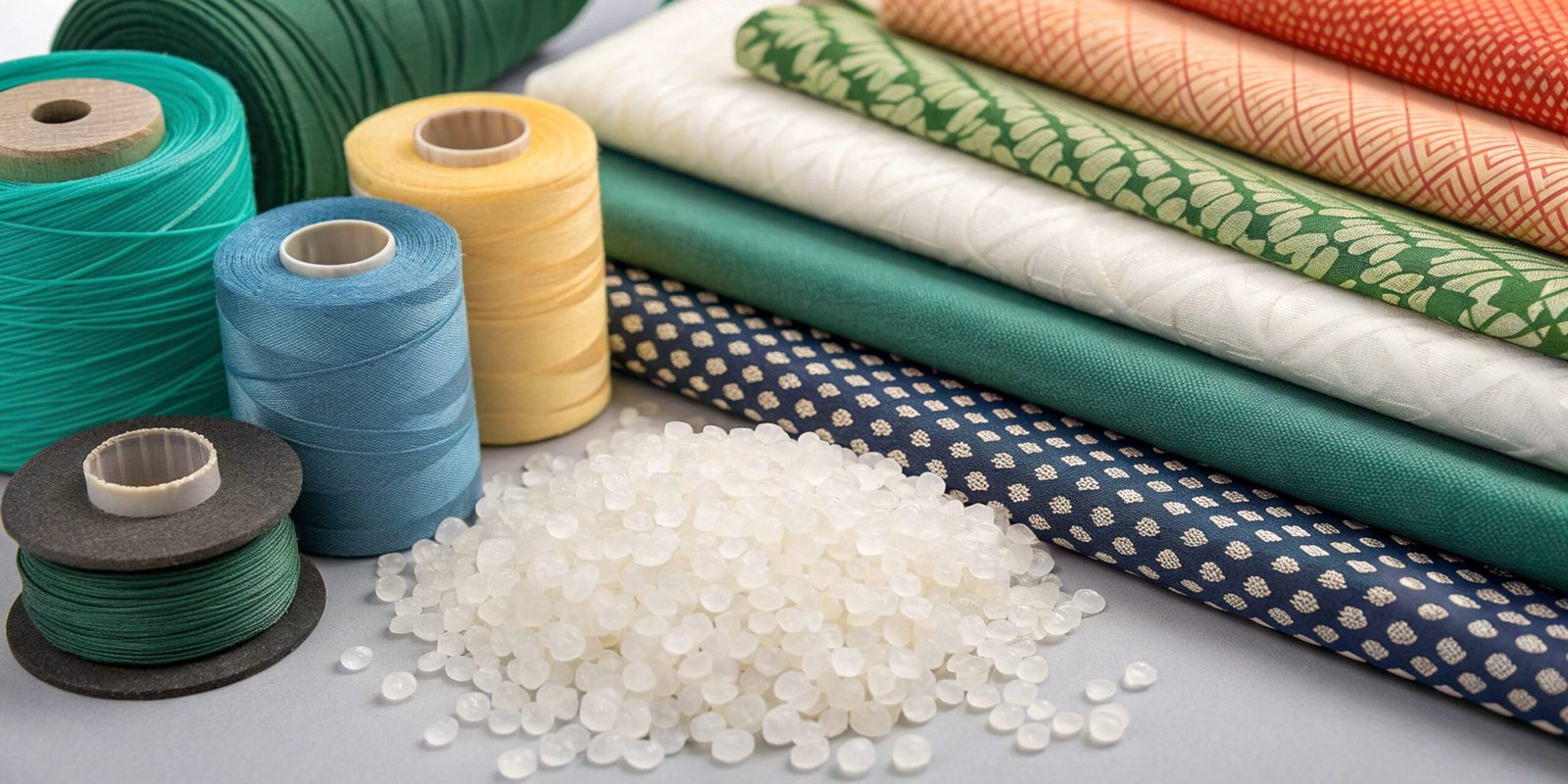
1. Sustainable Materials and Next-Gen Fibers
Lululemon is investing heavily in lower-impact materials while maintaining performance standards.
Their sustainability material approach includes:
- Recycled polyester (rPET) from post-consumer bottles
- Recycled nylon (which is much harder and more expensive to source)
- Bio-based fabrics developed with material-innovation partners
- Responsible natural fibers like organic cotton and FSC-certified modal
Why this matters for performance activewear
- Reduces reliance on virgin petroleum
- Lowers carbon footprint across the fiber stage
- Helps meet global environmental regulations and consumer expectations
OEM Insight
Recycled nylon is one of the most challenging materials for factories due to:
- color uniformity
- yarn stability
- shrinkage control
But once perfected, it becomes a strong sustainability story for premium brands.
2. Traceable and Responsible Supply Chains
A major part of Lululemon’s sustainability efforts comes from traceability — knowing exactly where fibers, yarns, and fabrics come from.
Lululemon uses:
- Supplier mapping across tiers
- Third-party audits (BSCI, WRAP, ISO standards)
- Responsible sourcing frameworks
- Transparency reports
Why this matters for consumers
People want to know:
- “Where was this made?”
- “Were workers treated fairly?”
- “Is this factory certified?”
Providing transparent answers builds trust — and justifies premium pricing.
3. Energy-Efficient and Low-Impact Manufacturing
Lululemon works with factories that follow cleaner and lower-impact manufacturing processes.
Common initiatives include:
- Renewable-energy-powered production lines
- Water-saving dye processes
- Chemical management systems
- Heat-recovery systems
- Waste-reduction and recycling programs
Real OEM Perspective
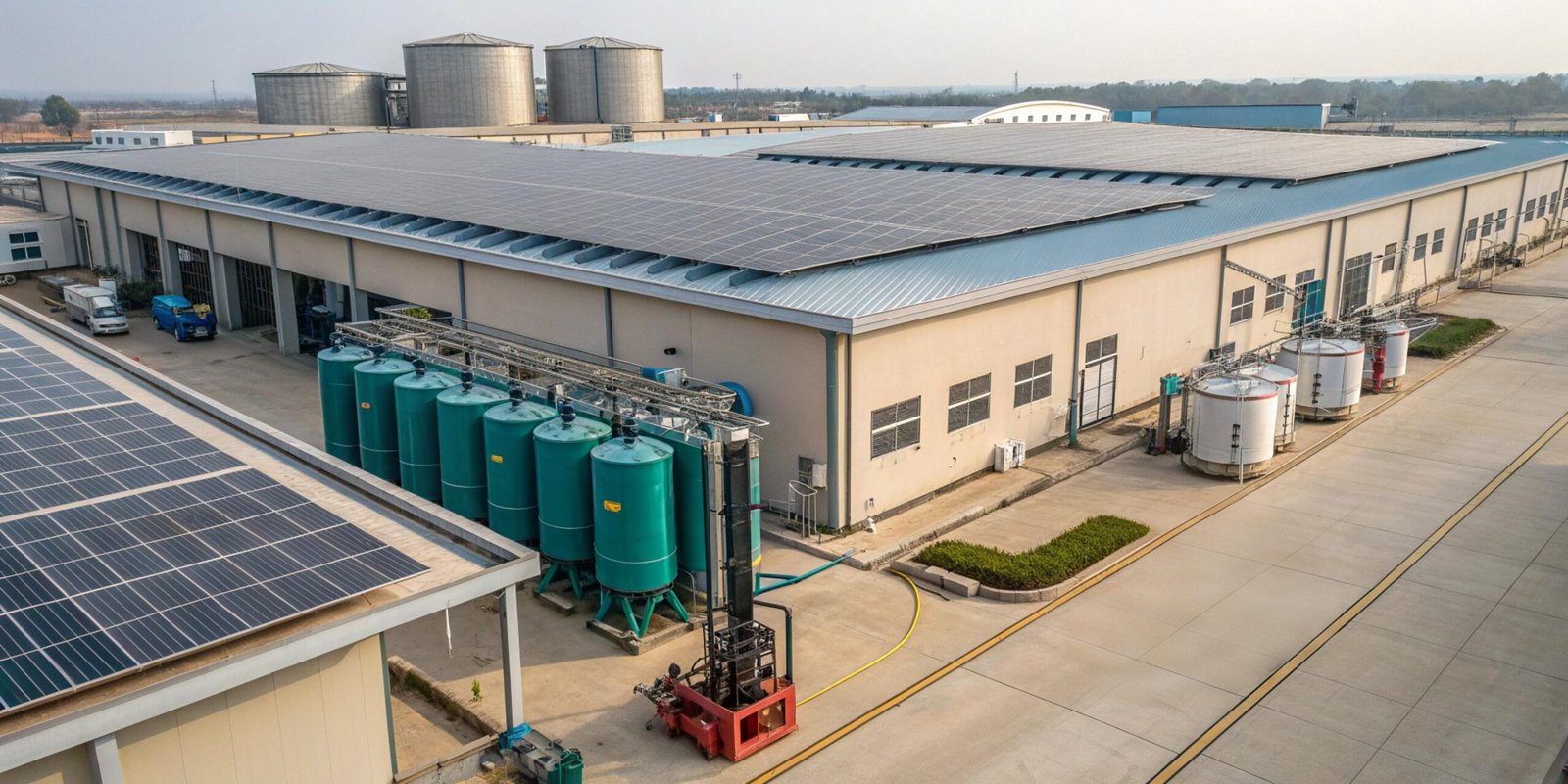
Many of our partner factories now run:
- solar power systems
- wastewater treatment facilities
- digital printing to reduce chemical usage
These upgrades reduce environmental impact — and also improve long-term manufacturing efficiency.
4. Repair, Reuse, and Circularity Programs
Beyond materials and factories, Lululemon is expanding into circular business models.
Key initiatives:
- Lululemon Like New (resale and trade-in program)
- Extended repair services to keep products in use longer
- Partnerships with material innovators to create fully circular fibers
Why this matters
Circularity is becoming a core requirement for global brands, helping:
- reduce waste
- extend garment lifespan
- minimize the need for virgin materials
💬 Circularity used to be a “nice to have,” but now it’s a competitive advantage.
5. What Private-Label Brands Can Learn
You don’t need Lululemon’s budget to embrace sustainability.
Here’s what smaller private-label brands can realistically apply:
✔ Start with one sustainable fabric category
Examples:
- recycled nylon
- recycled polyester
- organic cotton blends
- bio-based fibers
✔ Work with OEMs that offer traceability
Ask for:
- fabric certificates
- mill certifications
- production audit reports
✔ Small changes create big sustainability progress
Even simple actions help:
- low-impact dyeing
- digital printing
- recycled trims & packaging
- energy-efficient factories
✔ Build sustainability into your product story
Don’t “add sustainability later.”
Communicate:
- what fabric you use
- how it’s better for the environment
- how long-lasting your products are
✔ Choose a sustainability angle you can maintain
Focus on what’s realistic for your brand size:
- recycled materials
- ethical production
- durability and longevity
- reduced-waste pattern cutting
💬 Customers don’t expect perfection — they expect progress and transparency.
FAQs
Q1: Is recycled nylon as good as regular nylon?
For most performance needs, yes — but it requires high-quality mills and tighter QC control.
Q2: Do sustainable fabrics cost more?
Typically yes, but they create stronger brand value and customer loyalty.
Q3: Can small private-label brands offer sustainability without huge budgets?
Absolutely. Starting with one recycled fabric or ethical-certified factory is already meaningful progress.
Q4: Does sustainability help justify premium pricing?
Yes — especially when combined with durability, transparency, and responsible sourcing.
Partnering With FuKi Gymwear
If you want to build sustainable activewear with premium performance, choosing the right OEM partner makes the biggest difference.
👉 FuKi Gymwear supports brands with sustainable options such as:
- Recycled nylon & recycled polyester fabrics
- Organic & responsible material sourcing
- Energy-efficient production partners
- Low MOQ for eco-friendly collections
- Fabric testing, quality control & long-lasting construction
💬 Sustainability becomes a brand advantage when your manufacturing partner truly understands it — and we help brands bring that vision to life.
🔍 SEO Metadata
SEO Title:
How Is Lululemon Embracing Sustainable Manufacturing for Activewear?
Meta Description:
Learn how Lululemon uses recycled materials, traceable supply chains, and low-impact manufacturing — and how private-label brands can apply these practices with FuKi Gymwear.
Tags:
Lululemon sustainability, eco-friendly activewear, recycled nylon, sustainable sportswear OEM, FuKi Gymwear

