
Sustainability has become one of the biggest forces shaping the activewear industry.
From my work inside OEM production, I’ve seen firsthand how Adidas is moving aggressively toward greener materials, cleaner manufacturing, and long-term circularity.
This article explains how Adidas is responding to the sustainable activewear movement — in a practical, easy-to-understand way — and what new brands can learn from its strategy.
Table of Contents
- Quick Answer
- 1. Why Sustainability Became a Priority for Adidas
- 2. Adidas’ Major Sustainable Material Initiatives
- 3. How Adidas Is Cleaning Up Its Manufacturing Process
- 4. Adidas’ Circularity & Long-Term Eco Goals
- 5. Lessons for Fitness Brands Entering Sustainable Activewear
- FAQs
- Partnering With FuKi Gymwear
Quick Answer
✅ Adidas is responding to sustainable activewear by shifting to recycled materials, reducing water and chemical use, partnering with eco-innovation groups, and developing long-term circular systems.
Its goal is to combine performance + responsibility without compromising quality.
💬 From an OEM perspective, Adidas is one of the most ambitious global brands when it comes to eco-performance materials.
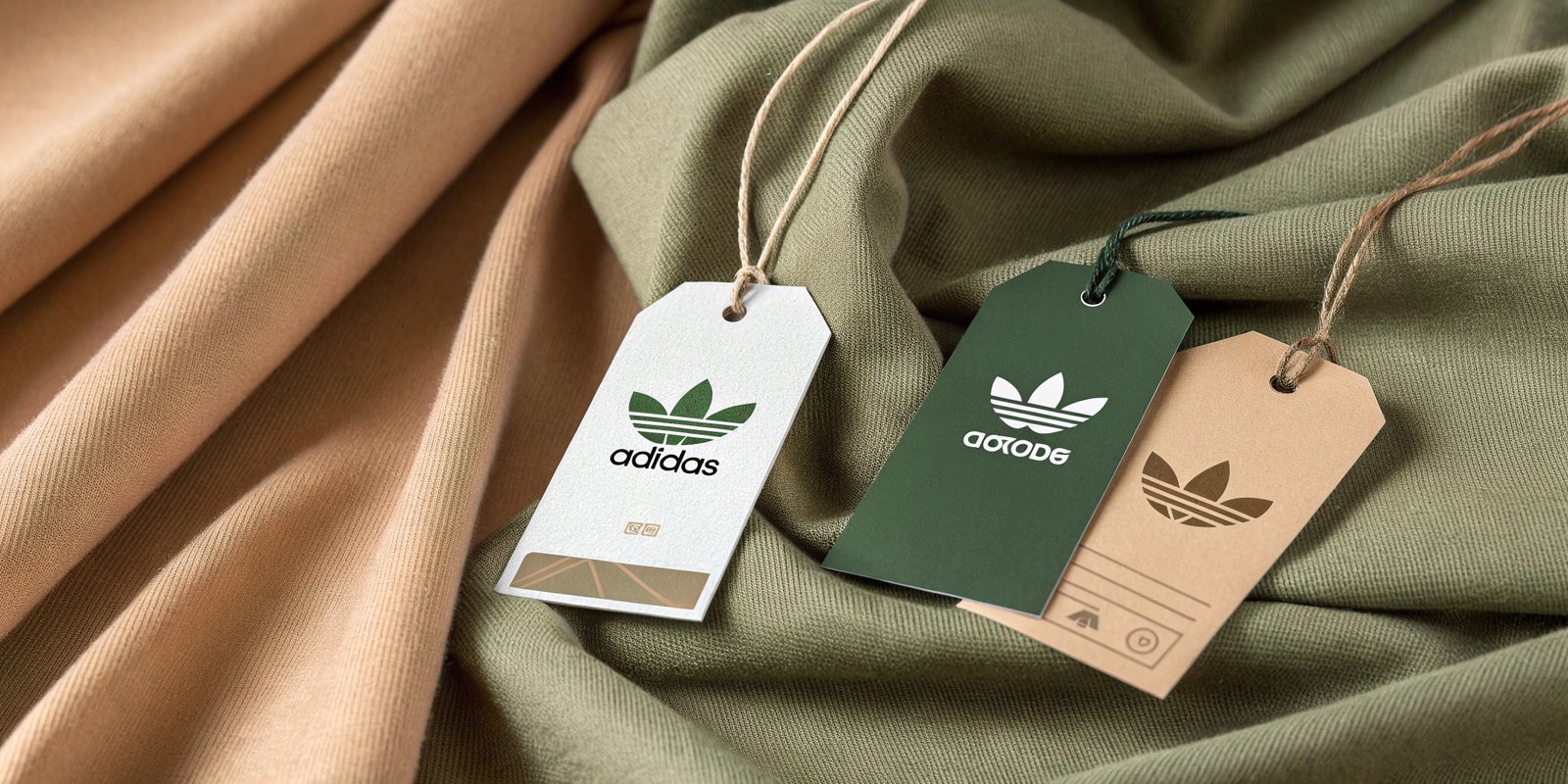
1. Why Sustainability Became a Priority for Adidas
Adidas shifted quickly because of rising consumer expectations and global environmental pressure.
| Driver | Meaning |
|---|---|
| Consumer demand | Shoppers want eco-friendly gymwear |
| Industry responsibility | Reduce textile waste & emissions |
| Regulation pressure | EU & US standards require cleaner supply chains |
| Brand positioning | Sustainability improves brand value |
💬 Adidas realized early that sustainability is not a trend — it’s the future of performance apparel.
2. Adidas’ Major Sustainable Material Initiatives
Adidas uses several eco-focused material strategies that directly impact activewear.
⭐ Key Material Innovations
| Program | Description | Benefit |
|---|---|---|
| Primeblue | Made with Parley ocean plastic | Reduces marine waste |
| Primegreen | High-performance recycled polyester | Cuts virgin plastic use |
| Recycled performance knits | Soft-touch, breathable fabrics | Gym-ready + eco-friendly |
| Bio-based experiments | Futurecraft materials | Lower carbon footprint |
| Low-impact dye systems | Less water, fewer chemicals | Cleaner color development |
💬 These fabrics still perform well in sweat, movement, and durability tests.
3. How Adidas Is Cleaning Up Its Manufacturing Process
Sustainability at Adidas extends beyond fabrics into factory-level operations.
✔ 1. Water-Saving Dye Techniques
Reduced water consumption through digital printing & dry-dye systems.
✔ 2. Reduced Chemical Use
More bluesign®-approved mills and eco-friendly finishing.
✔ 3. Energy-Efficient Factories
Partnering with OEMs using solar and low-carbon production lines.
✔ 4. Waste Reduction in Cutting Rooms
Better pattern optimization and recycled offcuts.
✔ 5. Environmental Audits
Regular checks to ensure standards across Vietnam, China, Cambodia, and Turkey.
💬 From my factory visits, Adidas is one of the strictest global brands in compliance and environmental requirements.
4. Adidas’ Circularity & Long-Term Eco Goals
Adidas is pushing beyond recycled fabrics toward true circularity.
| Goal | Explanation |
|---|---|
| 100% recycled polyester across product lines | Already achieved for many collections |
| Return & reuse programs | Encourages recycling old gear |
| Durable construction | Longer garment life = less waste |
| Repair-friendly designs | Fewer garments thrown away |
💬 Circularity is harder than recycling — but Adidas is one of the few with the resources to scale it.
5. Lessons for Fitness Brands Entering Sustainable Activewear
Here’s what new brands can start doing today:
- 🌱 Switch to recycled polyester or RPET blends
- 🎽 Use eco-friendly dyeing whenever possible
- ♻️ Offer small-scale garment recycling programs
- 🧪 Test eco fabrics to ensure they perform like regular fabrics
- 🎨 Use natural palettes to match sustainability storytelling
- 📣 Be transparent — explain materials clearly to customers
💬 Sustainability is a competitive advantage — not a cost burden.
FAQs
Q1: Is Adidas truly sustainable or just marketing it?
Adidas has real programs (Primeblue, Primegreen) and measurable sustainability goals.
Q2: Do eco fabrics affect sports performance?
No — recycled polyester performs nearly identically to virgin performance fabrics.
Q3: Are Adidas factories eco-certified?
Many operate under bluesign®, WRAP, and other sustainability frameworks.
Q4: Can small brands afford sustainable production?
Yes — especially through OEMs offering recycled or low-impact fabrics.
Partnering With FuKi Gymwear
If sustainability is part of your brand’s future,
👉 FuKi Gymwear can support you with:
- Recycled polyester, RPET knits, bamboo & eco-performance fabrics
- Low-impact dyeing & water-saving production
- Fast sampling + flexible MOQs
- OEM/ODM development for eco-focused fitness brands
- Consistent quality backed by professional factory standards
💬 Sustainable performance wear is the next major shift — and we help you build it responsibly.

