
Table of Contents
- Quick Answer
- Why New Activewear Brands Need the Right Manufacturing Partner
- Step 1: Understanding the Brand Vision
- Step 2: Planning the First Product Line
- Step 3: Selecting the Right Fabrics and Materials
- Step 4: Developing Samples
- Step 5: Testing Fit, Function, and Details
- Step 6: Confirming Production Specifications
- Step 7: Bulk Production and Quality Control
- Step 8: Packaging, Labeling, and Shipping
- Common Mistakes New Brands Should Avoid
- Why Fukigymwear Is Startup-Friendly
- FAQ
- Conclusion
Quick Answer
FuKi Gymwear supports new activewear brands through a step-by-step process that includes product planning, fabric selection, sample development, bulk production, and quality control.
This structured workflow helps startups reduce mistakes, control costs, and launch products with more confidence.
Why New Activewear Brands Need the Right Manufacturing Partner
Many new activewear brands have strong ideas but limited production experience.
Common challenges include:
- choosing the right products
- understanding fabric performance
- controlling development costs
- finding stable production quality
- avoiding delays and communication problems
👉 This is why the right manufacturing partner matters from the beginning.
A good supplier does more than make garments. They help turn an idea into a real product with less risk.
Step 1: Understanding the Brand Vision
The first step is understanding what the brand wants to build.
At this stage, the focus is usually on:
- target customer
- product style
- price positioning
- performance requirements
- branding direction
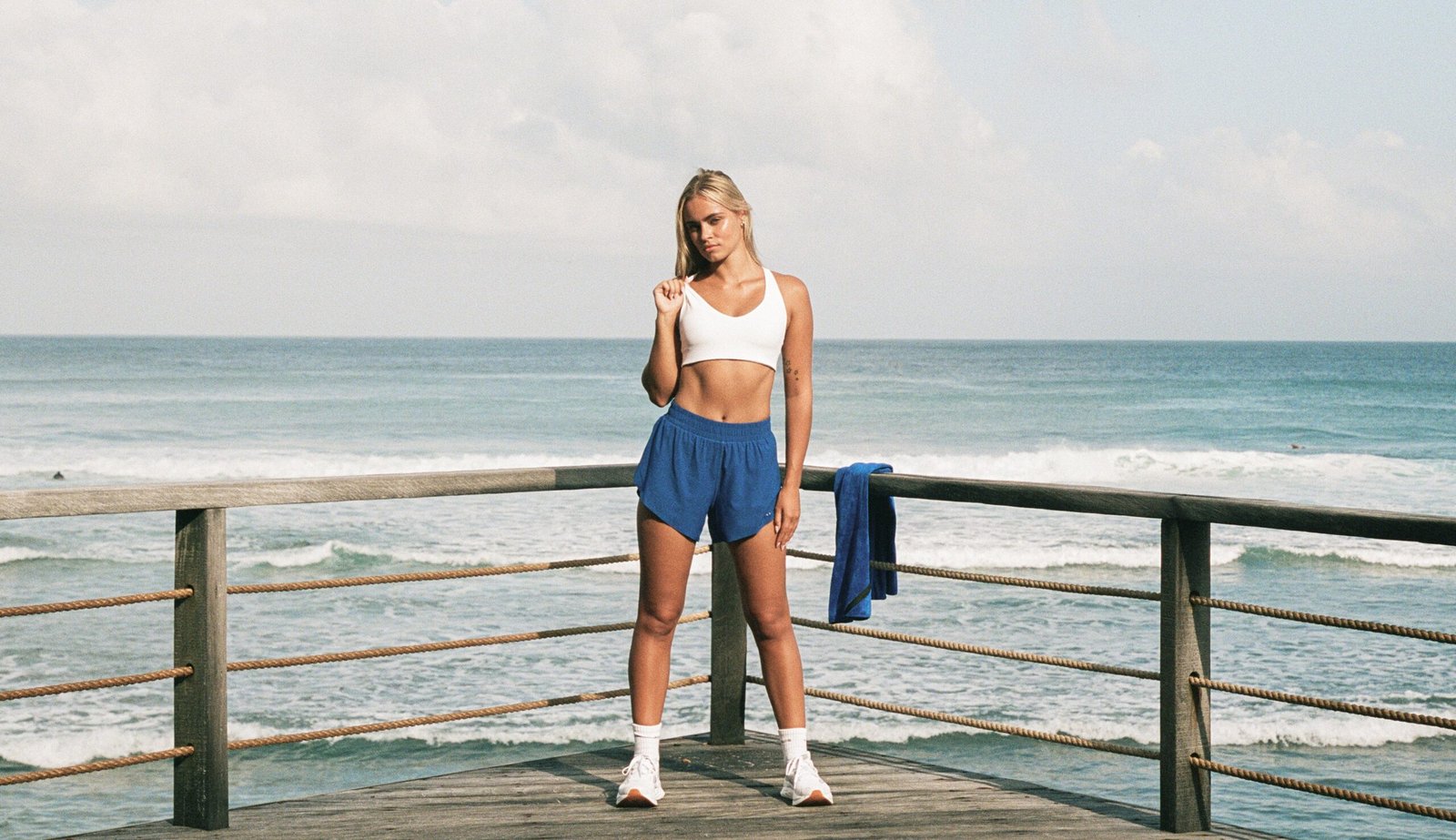
For example, a brand targeting yoga customers may need soft, flexible fabrics, while a gym-focused brand may prefer compression, durability, and stronger support.
👉 Clear direction at the beginning makes the rest of the process faster and more accurate.
Step 2: Planning the First Product Line
New brands often make the mistake of trying to launch too many products at once.
A smarter approach is to start with a focused first collection.
Typical startup products include:
- leggings
- sports bras
- gym shorts
- performance T-shirts
- seamless sets
At this stage, planning usually includes:
- choosing the core categories
- deciding the size range
- confirming the target price level
- balancing design ideas with production practicality
👉 A smaller and stronger first collection is usually easier to launch and manage.
Step 3: Selecting the Right Fabrics and Materials
Fabric is one of the most important decisions in activewear production.
The right fabric affects:
- comfort
- stretch
- recovery
- durability
- breathability
- overall product value
Common fabric choices include:
Nylon + Spandex
- soft hand feel
- premium look
- strong stretch and recovery
Polyester + Spandex
- durable
- cost-effective
- widely used in performance products
Seamless Yarn-Based Structures
- used for seamless activewear
- flexible and body-contouring
Other materials also need to be confirmed, such as:
- elastic bands
- drawcords
- cups or pads
- labels
- hangtags
- packaging materials
👉 Good material selection helps reduce product problems later.
Step 4: Developing Samples
Once the product direction and materials are confirmed, sampling begins.
This is where the concept starts to become a real product.
Sample development often includes:
- pattern making
- cutting and sewing
- logo application
- initial construction testing
- first fit confirmation
Typical sample lead time is:
- 7–10 days
This stage is important because it helps brands check whether the product matches the original idea.
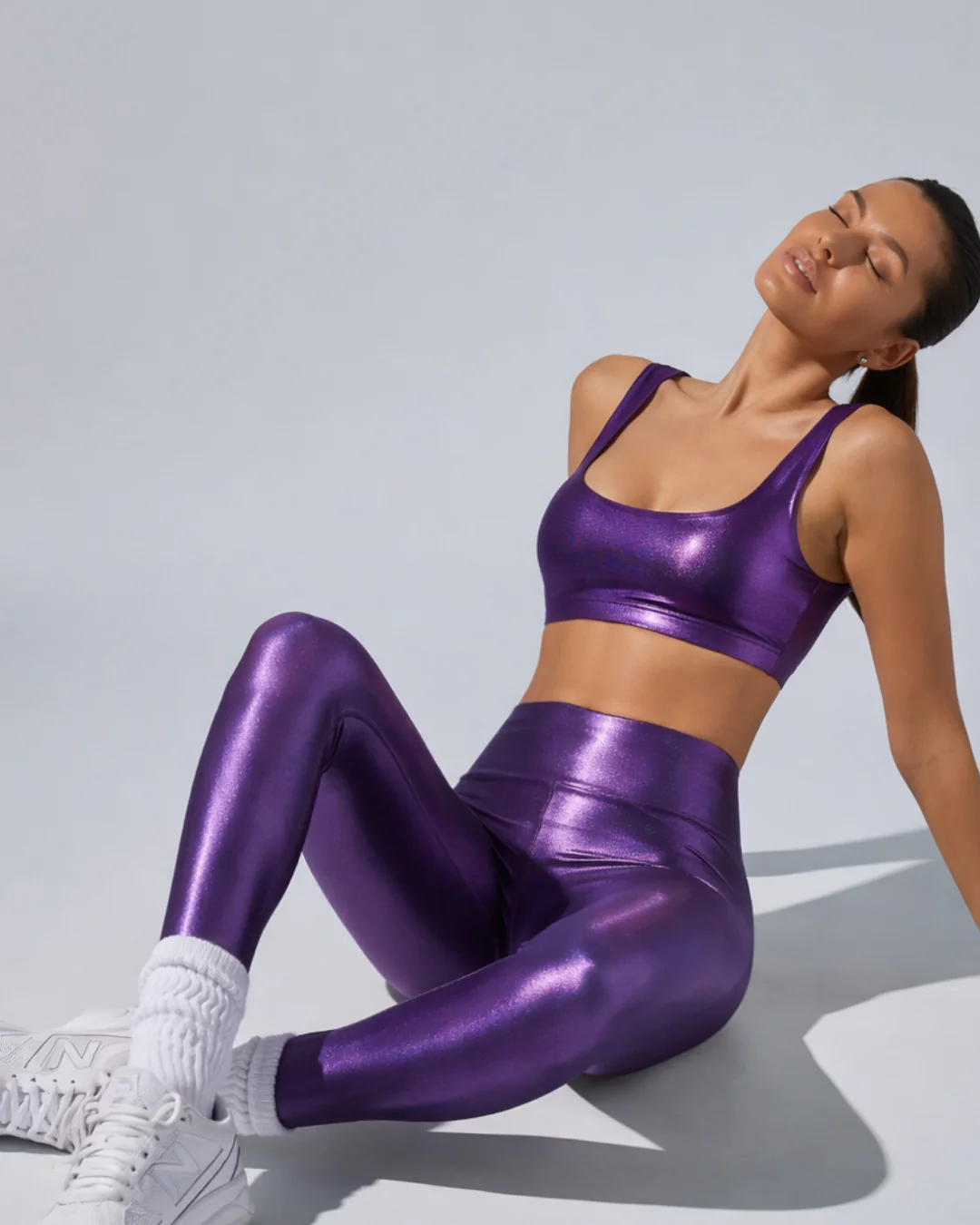
👉 Sampling is not just about seeing the design. It is about testing if the product actually works.
Step 5: Testing Fit, Function, and Details
After the sample is completed, brands need to review more than appearance.
Important points to check include:
- fit accuracy
- comfort during movement
- support level
- fabric feel
- logo placement
- seam quality
- overall construction
For activewear, this step is especially important because products must perform during real use.
For example:
- leggings should not become see-through
- sports bras should provide the right level of support
- gym shorts should allow movement without discomfort
- performance tees should stay breathable during workouts
👉 This stage often leads to adjustments before bulk production.
Step 6: Confirming Production Specifications
Before production begins, all details should be finalized clearly.
This usually includes:
- approved fabric
- final measurements
- color confirmation
- logo method
- label details
- packaging requirements
- quantity per size and color
Clear specifications help avoid:
- size inconsistency
- wrong logo placement
- packaging errors
- production misunderstandings
👉 The more clearly this stage is handled, the smoother bulk production will be.
Step 7: Bulk Production and Quality Control
Once the sample and specifications are approved, bulk production begins.
At this stage, a reliable manufacturer should control:
- fabric consistency
- cutting accuracy
- sewing quality
- measurement stability
- finishing details
Bulk production usually takes:
- 25–35 days
Quality control should happen throughout production, not only at the end.
A strong system may include:
- fabric inspection before use
- in-line production checks
- measurement verification
- AQL-based final inspection
👉 Good quality control protects the brand from costly product issues.
Step 8: Packaging, Labeling, and Shipping
The final stage is preparing the order for launch.
This may include:
- custom woven labels
- printed neck labels
- hangtags
- barcodes
- polybags
- cartons
- shipping marks
For new brands, these finishing details matter because they affect how professional the brand looks to customers.
Shipping support is also important, especially for international buyers.
👉 Good packaging and shipping preparation help turn finished products into market-ready products.
Common Mistakes New Brands Should Avoid
Mistake 1: Launching Too Many Styles
This increases cost, complexity, and risk.
Mistake 2: Choosing Fabric Based Only on Price
Cheap fabric often leads to poor product quality and more returns.
Mistake 3: Skipping Proper Sample Review
A product that looks good in photos may still fail in real wear.
Mistake 4: Unclear Specifications Before Bulk
This often causes avoidable production mistakes.
Mistake 5: Choosing a Supplier Only by Low MOQ
A low MOQ is useful, but stable quality and communication matter more.
Why Fukigymwear Is Startup-Friendly
At FuKi Gymwear, we understand that new activewear brands need more than just production capacity.
They need guidance, flexibility, and a stable workflow.
What we offer new brands:
- low MOQ starting from 100 pcs
- sample development in 7–10 days
- bulk production in 25–35 days
- private label customization
- fabric recommendations
- quality-focused production
- global shipping support
Our goal is to help new brands launch with fewer mistakes and stronger products.
👉 For startups, this step-by-step support can make the entire process much easier.
FAQ
Q1: What is the best first product for a new activewear brand?
Leggings, sports bras, gym shorts, and performance T-shirts are the most common starting points.
Q2: What is the usual MOQ?
Our MOQ usually starts from 100 pieces, depending on the product.
Q3: How long does the process take?
Sample development usually takes 7–10 days, and bulk production usually takes 25–35 days.
Q4: Can you help if I only have an idea and not a full tech pack?
Yes. A manufacturer with development experience can help refine the product direction and production details.
Conclusion
Building an activewear brand is much easier when the process is clear.
From planning and sampling to production and shipping, each stage plays an important role in the final result.
For new brands, working with an experienced partner like FuKi Gymwear can help reduce risk, improve product quality, and make the launch process smoother from start to finish.
