
Table of Contents
- Quick Answer
- Why Custom Design Development Matters
- Overview: From Sketch to Finished Product
- Step 1: Design Review & Concept Understanding
- Step 2: Fabric & Material Selection
- Step 3: Pattern Development
- Step 4: Sample Creation
- Step 5: Fit Testing & Design Adjustments
- Step 6: Logo & Branding Application
- Step 7: Final Approval & Production Preparation
- Common Challenges in Custom Design Production
- How Fukigymwear Ensures Accuracy
- FAQ
- Conclusion
Quick Answer
FuKi Gymwear transforms custom designs into finished products through a structured process that includes design analysis, fabric selection, pattern development, sampling, and production preparation.
This ensures that your original concept is accurately translated into a high-quality activewear product.
Why Custom Design Development Matters
Turning a sketch into a real garment is not a simple process.
Without proper development, issues may include:
- incorrect fit
- poor fabric performance
- design inconsistencies
- production delays
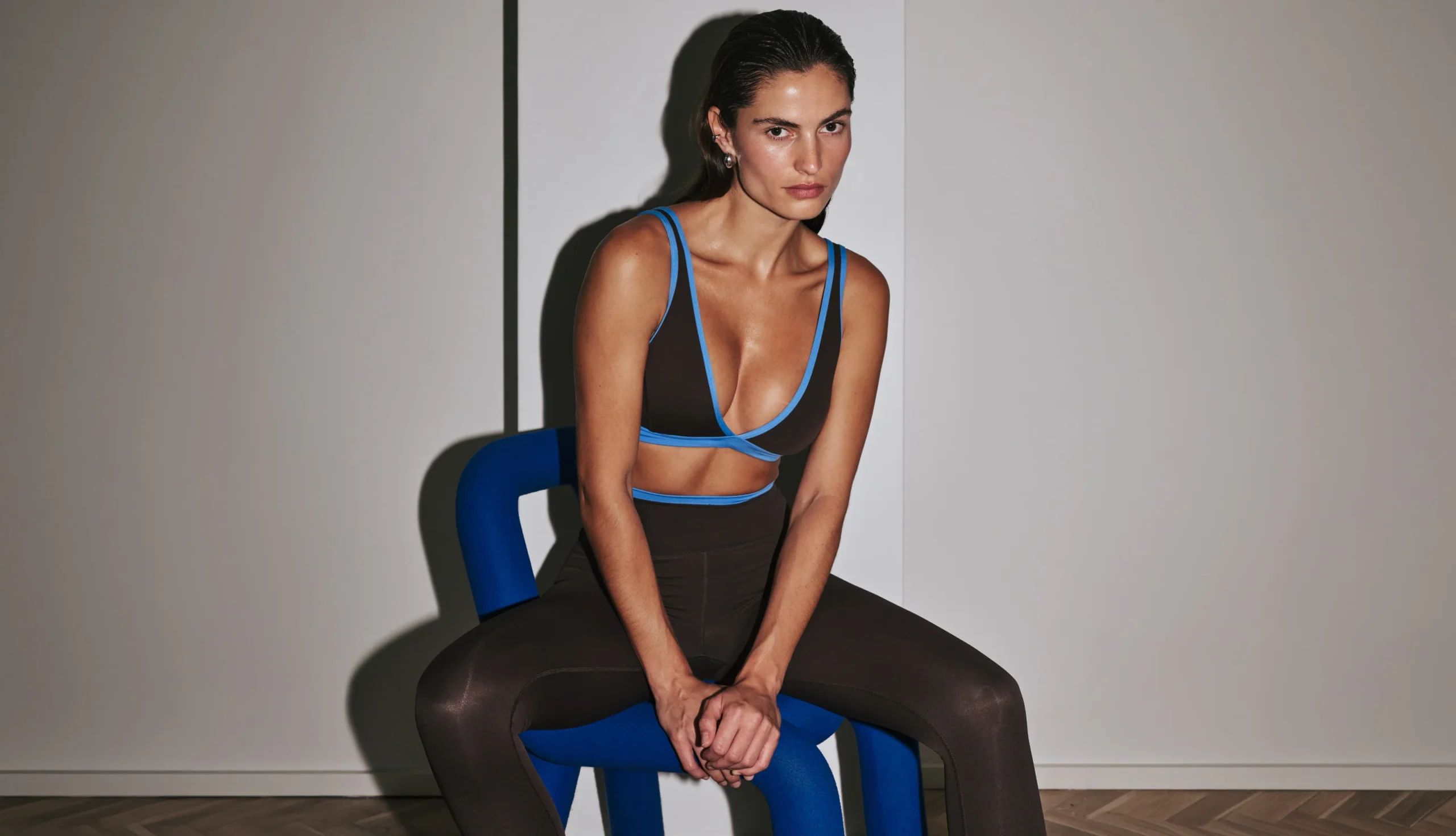
👉 A structured development process ensures your design works both visually and functionally.
Overview: From Sketch to Finished Product
A typical custom design workflow includes:
- concept review
- material selection
- pattern making
- sample development
- testing and adjustments
- final approval
- bulk production
Each step ensures the final product matches the original idea.
Step 1: Design Review & Concept Understanding
The process begins with understanding your design.
This may include:
- sketches
- tech packs
- reference images
- product ideas
Key focus:
- garment structure
- intended function
- design details
👉 Clear communication at this stage prevents errors later.
Step 2: Fabric & Material Selection
Fabric selection is based on product requirements.
Considerations include:
- stretch and recovery
- breathability
- durability
- comfort
Additional materials:
- elastic bands
- trims
- labels
- accessories
👉 The right materials ensure both performance and appearance.
Step 3: Pattern Development
Patterns are created to define garment shape.
This includes:
- size specifications
- panel construction
- stretch direction alignment
👉 Accurate patterns are essential for fit and consistency.
Step 4: Sample Creation
The first sample is produced based on:
- approved design
- selected materials
- developed patterns
This sample shows:
- overall look
- initial fit
- construction quality
Step 5: Fit Testing & Design Adjustments
After receiving the sample, testing is required.
Check:
- fit accuracy
- comfort
- movement performance
- design details
Adjustments may include:
- size changes
- fabric changes
- construction improvements
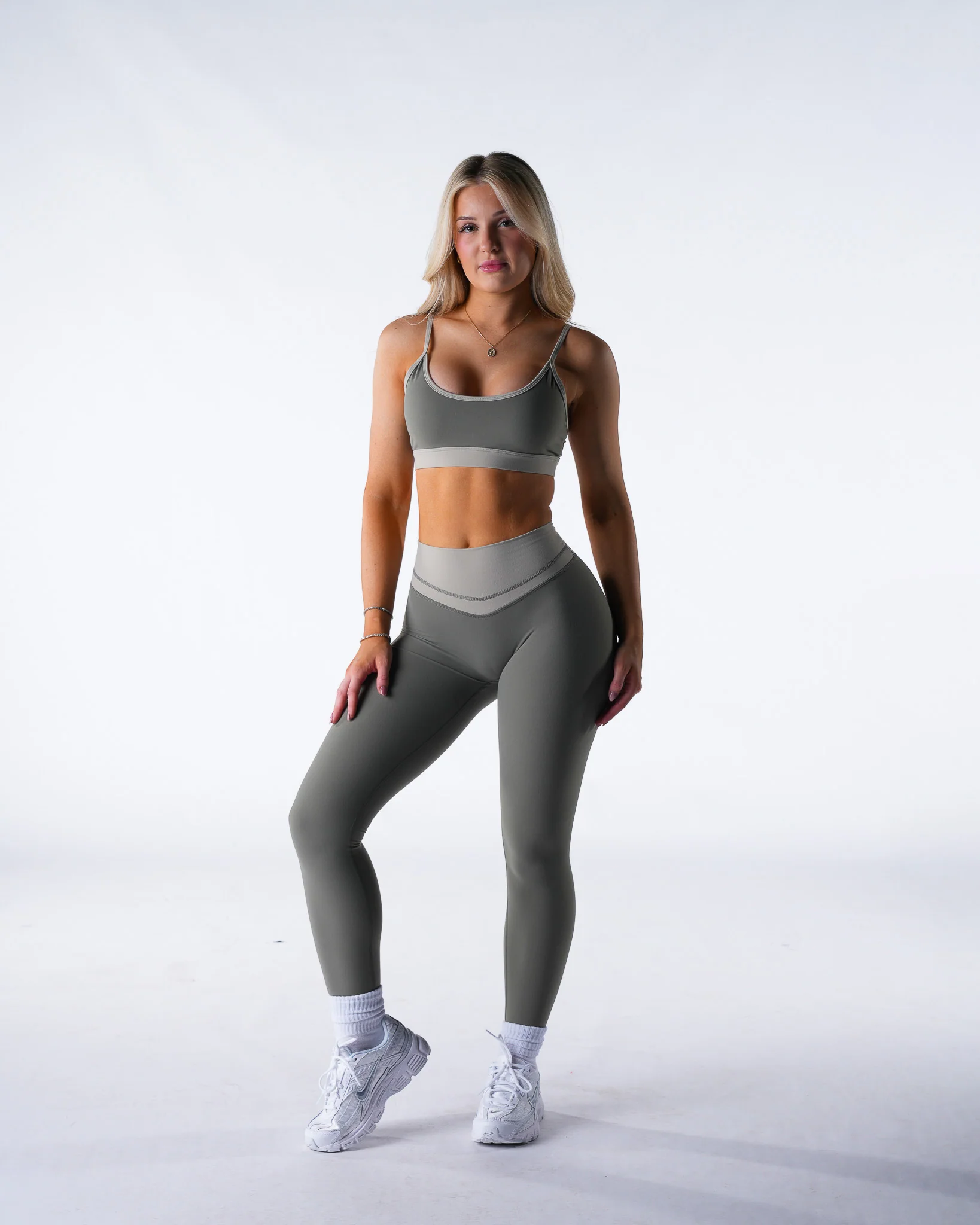
👉 Multiple revisions may be needed to achieve the final result.
Step 6: Logo & Branding Application
Brand elements are applied during development.
Common methods:
- screen printing
- heat transfer
- silicone printing
- embroidery
👉 The method must match the fabric for durability and appearance.
Step 7: Final Approval & Production Preparation
Before bulk production:
- final sample is approved
- all specifications are confirmed
This includes:
- fabric
- measurements
- colors
- logo placement
- packaging details
👉 This stage ensures smooth production.
Common Challenges in Custom Design Production
1. Design vs Reality Gap
Some designs may need adjustment for production feasibility.
2. Fabric Limitations
Not all fabrics can achieve every design.
3. Fit Issues
Initial samples may require multiple revisions.
4. Communication Gaps
Unclear instructions can lead to errors.
👉 Working with experienced manufacturers reduces these risks.
How Fukigymwear Ensures Accuracy
At FuKi Gymwear, we follow a detailed development system.
Our approach:
- clear design communication
- performance-based material selection
- professional pattern making
- multiple sample adjustments
- strict quality control
What we offer:
- low MOQ (100 pcs)
- sample development in 7–10 days
- bulk production in 25–35 days
- private label customization
- global shipping support
👉 We help turn your ideas into production-ready products.
FAQ
Q1: Do I need a tech pack to start?
No, sketches or reference images are enough to begin.
Q2: How many sample revisions are needed?
Usually 1–3 rounds depending on complexity.
Q3: Can all designs be produced exactly?
Some designs may require adjustments for production feasibility.
Conclusion
Turning a custom design into a finished product requires a structured process and technical expertise.
From sketch to final approval, every step plays a role in ensuring quality and consistency.
If you are looking to develop custom activewear, FuKi Gymwear can help you transform your ideas into high-quality products ready for the market.
