
Modern fitness apparel is no longer just about style. Behind many high-performance workout clothes is a powerful driver of innovation: fabric technology.
Today’s gym clothing is engineered with advanced materials designed to improve comfort, support movement, and regulate body temperature during exercise.
From my experience working with activewear brands and manufacturers, fabric selection is one of the most important factors in creating effective workout clothing. The right textile can make workouts feel lighter, cooler, and more comfortable.
In this guide, we’ll explore how fabric technology improves workout performance, the types of fabrics used in modern activewear, and how brands develop high-performance training apparel.
Table of Contents
- Why Fabric Technology Matters in Activewear
- Key Performance Features in Modern Workout Fabrics
- Common Fabric Technologies Used in Gym Clothing
- How Fabric Technology Improves Athletic Performance
- Fabric Technology vs Traditional Workout Materials
- How Brands Develop High-Performance Activewear
- Choosing the Right Fabric for Different Workouts
- Future Innovations in Activewear Fabrics
- FAQ About Fabric Technology in Activewear
- Final Thoughts
Why Fabric Technology Matters in Activewear
Workout clothing has evolved dramatically over the past decade. Earlier gym clothing often relied on basic cotton fabrics that absorbed sweat and restricted movement.
Modern activewear fabrics are designed to solve these issues.
Key Benefits of Advanced Fabric Technology
| Benefit | Explanation |
|---|---|
| moisture control | sweat-wicking fabrics keep athletes dry |
| improved mobility | stretch materials support movement |
| temperature regulation | breathable fabrics reduce overheating |
| durability | reinforced textiles last longer |
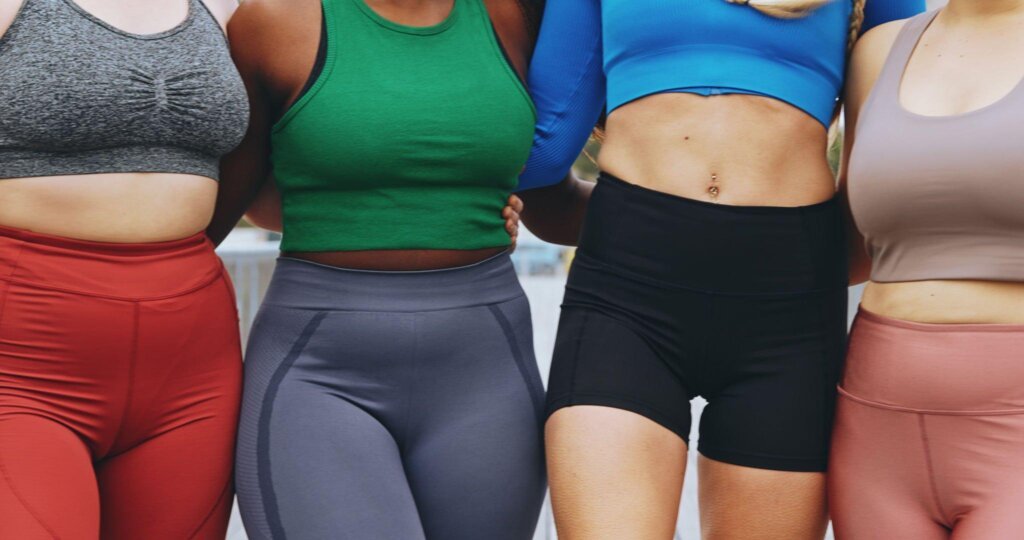
According to market insights from Statista, the global demand for high-performance activewear continues to grow as consumers expect clothing that improves both comfort and performance.
Key Performance Features in Modern Workout Fabrics
Modern activewear fabrics are engineered to support athletic performance.
Important Fabric Performance Features
- Moisture-wicking technology – pulls sweat away from the skin
- Four-way stretch materials – allows full range of motion
- Breathable mesh panels – improves ventilation
- Anti-odor treatments – prevents bacterial growth
- Lightweight construction – reduces fatigue during workouts
These features help athletes train longer and more comfortably.
Common Fabric Technologies Used in Gym Clothing
Several advanced fabrics dominate the activewear industry.
Popular Activewear Fabrics
| Fabric | Key Advantage |
|---|---|
| Polyester Performance Fabric | excellent moisture management |
| Nylon Spandex | stretch and durability |
| Seamless Knit Fabric | improved comfort and flexibility |
| Recycled Performance Fibers | sustainable and lightweight |
Many brands combine multiple fibers to create fabrics that balance comfort, durability, and performance.
How Fabric Technology Improves Athletic Performance
High-performance fabrics directly affect how athletes feel during exercise.
1. Sweat Management
Moisture-wicking fabrics move sweat away from the body, helping athletes stay dry.
2. Improved Mobility
Stretch fabrics allow movements such as:
- squats
- lunges
- jumping
- stretching
3. Reduced Skin Irritation
Seamless construction and smooth textiles reduce friction during long workouts.
4. Temperature Control
Breathable materials help regulate body temperature during intense exercise.
Fabric Technology vs Traditional Workout Materials
Many beginners wonder why specialized activewear fabrics are preferred over regular clothing materials.
Comparison Table
| Category | Performance Fabrics | Traditional Fabrics |
|---|---|---|
| sweat control | moisture-wicking | absorbs sweat |
| flexibility | high stretch | limited stretch |
| durability | designed for training | everyday wear |
| breathability | engineered ventilation | basic airflow |
These advantages explain why modern activewear performs better during workouts.
How Brands Develop High-Performance Activewear
Behind every successful fitness apparel product is careful fabric development.
From my experience working with activewear manufacturers, brands usually follow several steps when developing performance clothing.
Activewear Fabric Development Process
- Selecting performance fibers
- Testing stretch and durability
- Creating prototype garments
- Conducting athlete wear-testing
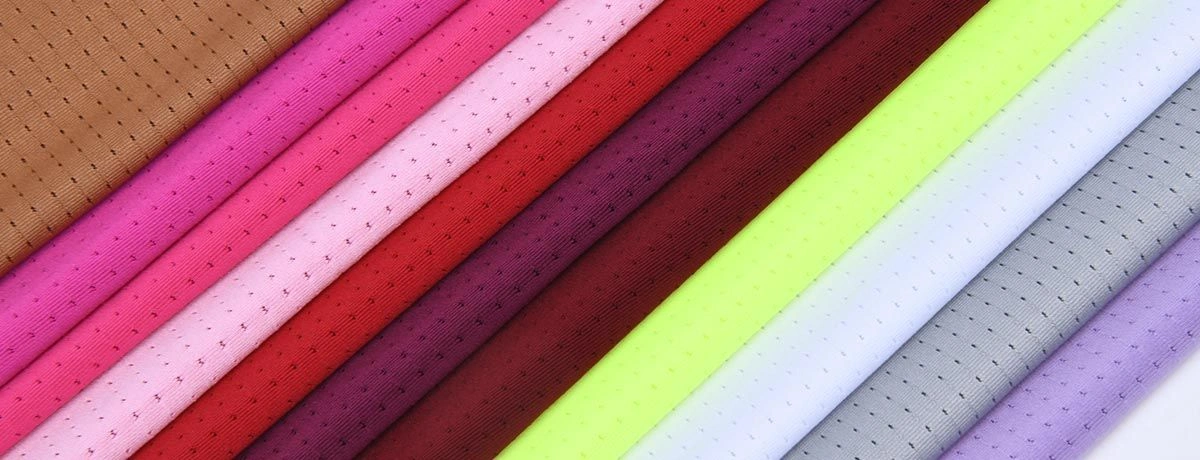
Many clothing startups work with experienced manufacturing partners to develop advanced performance apparel.
👉 Custom Activewear Manufacturer
Manufacturers often assist brands with:
- fabric sourcing
- product prototyping
- performance testing
- scalable production
Choosing the Right Fabric for Different Workouts
Different types of training benefit from different fabric features.
Recommended Fabrics by Workout Type
| Workout Type | Recommended Fabric |
|---|---|
| Strength training | stretch nylon blends |
| Running | lightweight moisture-wicking fabrics |
| Yoga | soft flexible fabrics |
| HIIT workouts | breathable performance textiles |
Matching fabric performance to workout style improves comfort and efficiency.
Future Innovations in Activewear Fabrics
Fabric technology continues to evolve rapidly.
Emerging Innovations
| Innovation | Description |
|---|---|
| smart textiles | fabrics that track body data |
| cooling fabrics | advanced temperature regulation |
| eco-friendly fibers | sustainable materials |
| antimicrobial fabrics | improved hygiene |
These technologies will likely shape the next generation of activewear.
FAQ About Fabric Technology in Activewear
Why are synthetic fabrics common in gym clothing?
Synthetic fibers such as polyester and nylon provide stretch, durability, and moisture management.
Are performance fabrics better than cotton?
For workouts, yes. Performance fabrics dry faster and allow better movement.
What is moisture-wicking fabric?
Moisture-wicking fabrics pull sweat away from the skin so it can evaporate quickly.
Can sustainable fabrics perform well in activewear?
Yes. Many recycled performance fabrics now offer durability and moisture control comparable to traditional materials.
Final Thoughts
Fabric technology plays a critical role in modern fitness apparel.
Advanced textiles improve comfort, regulate temperature, and support dynamic movement during workouts.
From my experience working with activewear brands, companies that invest in innovative fabrics and high-quality manufacturing are better positioned to succeed in the competitive fitness apparel market.
If you're exploring high-performance activewear production, you can learn more here:
As fabric innovation continues to evolve, it will remain one of the most important drivers of performance in the activewear industry.

