
When people talk about the world’s biggest sportswear brands, Nike and Adidas usually dominate the conversation. But if you look closely, Under Armour has built a strong niche—focusing less on hype and more on performance technology.
As someone who has worked inside the sportswear manufacturing industry, I’ve seen firsthand how Under Armour differentiates itself from global giants—not by outspending them, but by innovating differently.
Table of Contents
- Under Armour’s Position in the Sportswear Industry
- Nike vs Adidas vs Under Armour: A Quick Comparison
- How Under Armour Stands Out in Fabric Innovation
- Marketing Strategies: Function Over Fame
- Under Armour’s Focus on Athletes, Not Fashion
- Challenges Under Armour Faces in Competing Globally
- What Startups Can Learn from Under Armour’s Strategy
- FAQs
- About FuKi Gymwear – Custom Activewear Manufacturer
1. Under Armour’s Position in the Sportswear Industry
Under Armour was founded in 1996 with a simple mission: help athletes stay dry and perform better.
While Nike and Adidas expanded heavily into lifestyle and fashion branding, Under Armour built credibility through:
- Technical compression wear
- Moisture-wicking performance fabrics
- Locker-room authenticity
Today, Under Armour holds a smaller global market share (around 2%) compared to Nike (approximately 25%), but it remains influential in performance-driven segments like basketball, training, and American football.
💬 In manufacturing terms, Under Armour’s edge is function-first design.
2. Nike vs Adidas vs Under Armour: A Quick Comparison
| Brand | Core Strength | Brand Image | Target Market |
|---|---|---|---|
| Nike | Innovation + marketing power | Global lifestyle & sport hybrid | Broad, fashion-driven consumers |
| Adidas | Heritage + sustainability | Streetwear + performance blend | Youth & lifestyle segment |
| Under Armour | Performance engineering | Gritty, athlete-focused | Serious athletes & fitness pros |
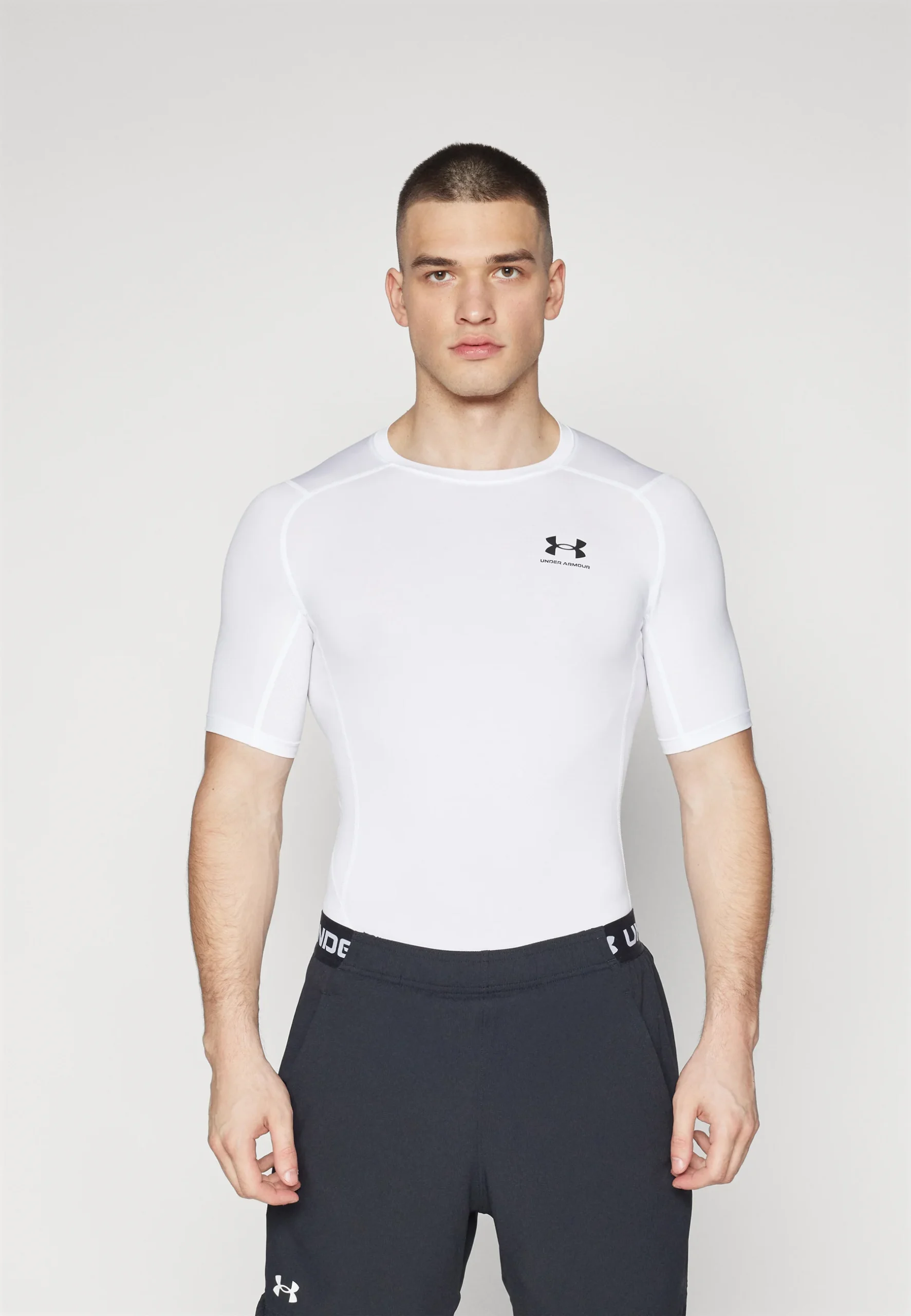
📊 Nike and Adidas dominate global culture, but Under Armour thrives on authenticity.
3. How Under Armour Stands Out in Fabric Innovation
Under Armour’s identity is built on fabric technology.
Key performance innovations include:
- HeatGear® — Lightweight fabric for hot-weather training
- ColdGear® — Thermal layering for cold environments
- Iso-Chill™ — Cooling yarns that draw heat from the skin
- UA Storm™ — Water-repellent yet breathable coating
From a manufacturing standpoint, these fabrics involve testing for:
- Fiber density
- Elastic recovery
- Moisture dispersion
- Thermal balance
Under Armour’s R&D culture emphasizes measurable performance.
4. Marketing Strategies: Function Over Fame
Unlike Nike and Adidas, which dominate celebrity and fashion endorsements, Under Armour focuses on credibility.
Key ambassadors include:
- Stephen Curry
- Tom Brady
- Jordan Spieth
It also invests in:
- Women’s training initiatives
- Youth sports programs
- Grassroots athletic communities
Under Armour sells trust, not trends.
5. Under Armour’s Focus on Athletes, Not Fashion
Nike and Adidas frequently collaborate with fashion designers and streetwear icons.
Under Armour maintains a “locker-room-first” philosophy:
- Performance labs over runway drops
- Data-driven testing cycles
- Fit optimization for sweat management
🧵 Product adjustments often follow athlete feedback rather than influencer demand.
6. Challenges Under Armour Faces in Competing Globally
Despite strong technical positioning, UA faces hurdles:
- Limited lifestyle appeal
- Smaller global marketing budget
- Less brand penetration in Asia and Europe
However, its niche authenticity keeps it relevant among serious athletes and gym enthusiasts.
7. What Startups Can Learn from Under Armour’s Strategy
| Lesson | Description | How to Apply |
|---|---|---|
| Build Around Purpose | Solve a real athletic problem | Develop sweat-resistant or eco-stretch fabrics |
| Lead with Innovation | Tech > trend | Invest in prototypes & material testing |
| Find Your Niche | Don’t chase everyone | Specialize in one performance category |
| Use Authentic Ambassadors | Genuine athletes > influencers | Build trust instead of hype |
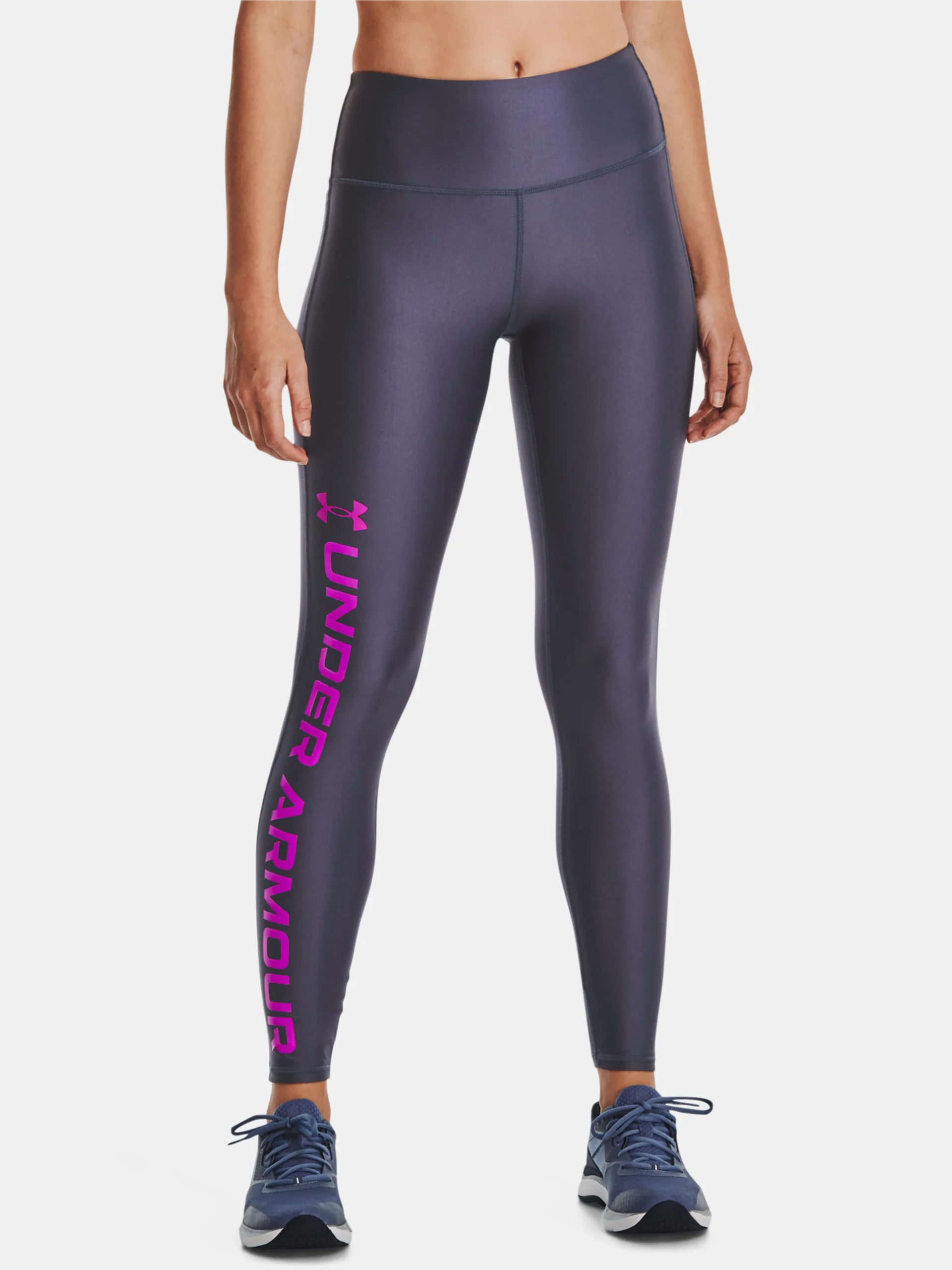
💬 At FuKi Gymwear, we follow similar principles—prioritizing material precision, function-first design, and ethical production.
8. FAQs
Q1: How does Under Armour compare to Nike and Adidas in innovation?
Under Armour focuses more heavily on technical fabric engineering, while Nike and Adidas dominate lifestyle-driven design fusion.
Q2: Is Under Armour still relevant in 2025?
Yes. Though smaller in global share, it remains influential in performance-focused segments.
Q3: Why do athletes choose Under Armour?
Because it delivers compression, breathability, and temperature control without relying solely on branding.
9. About FuKi Gymwear – Custom Activewear Manufacturer
At FuKiGymwear.com.com, we help brands design and manufacture custom activewear inspired by industry leaders.
Our Services Include:
- OEM & ODM manufacturing (Low MOQ 100 pcs)
- Custom performance fabrics (nylon-spandex, eco blends)
- Logo printing & private labeling
- 7–10 day sampling | 25–35 day bulk production
- Ethical certified factories (OEKO-TEX®, BSCI)
💬 We combine technical fabric expertise with flexible production—ideal for emerging and scaling fitness brands.
👉 Build your next performance collection with professional-grade quality.
