
Nike isn’t only a sportswear giant — it’s a pioneer in smart fabric innovation.
From temperature-reactive textiles to advanced moisture systems, Nike continuously blends science and performance design to elevate how athletes train.
As someone who works closely with activewear OEM factories, I’ve seen how Nike’s smart fabric approach influences the entire industry — and what smaller brands can learn from it.
This guide breaks down Nike’s smart fabric technology in a clear, structured, beginner-friendly way.
Table of Contents
- Quick Answer
- 1. The Types of Smart Fabrics Nike Uses
- 2. How Nike Integrates Smart Fabrics Into Performance Gear
- 3. Why Smart Fabrics Matter for Athlete Performance
- 4. Comparison: Nike vs Other Smart-Fabric Leaders
- 5. What Smaller Brands Can Learn From Nike
- FAQs
- Partnering With FuKi Gymwear
Quick Answer
Nike uses smart fabrics to enhance temperature control, moisture wicking, muscle support, and energy efficiency.
From Dri-FIT to Aeroadapt, these textiles respond to the body and environment to keep athletes performing at their best.
💬 From my OEM experience, smart fabrics succeed when design and function move together — not separately.
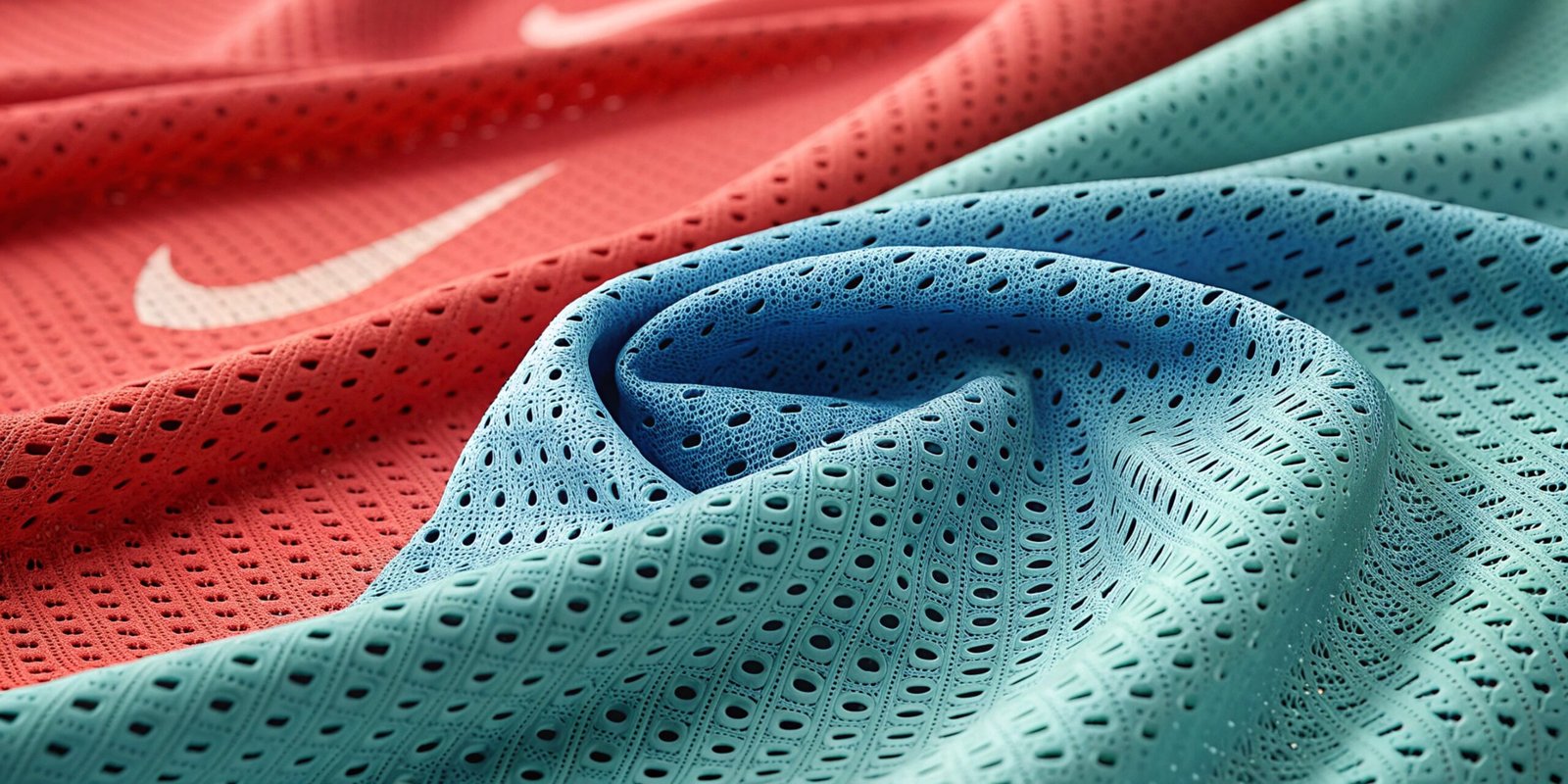
1. The Types of Smart Fabrics Nike Uses
Nike utilizes several categories of smart materials that respond to movement, temperature, or sweat.
| Smart Fabric Type | How It Works | Benefit |
|---|---|---|
| Dri-FIT | Pulls sweat away from skin | Keeps athletes dry |
| Aeroadapt | Vents open when body heats up | Temperature control |
| Nike Pro Compression | Graduated pressure zones | Muscle stability |
| Flyknit | Engineered knitting | Lightweight + breathable |
| Therma-FIT | Heat-retention fibers | Warmth in cold weather |
| VaporKnit | Micro ventilation + anti-cling | Ideal for pro athletes |
💬 These fabrics don’t just look technical — they behave technically.
2. How Nike Integrates Smart Fabrics Into Performance Gear
Smart fabric isn’t useful unless it’s paired with the right design engineering.
✔ Zoned ventilation
Nike places breathable panels where the body sweats most.
✔ Compression mapping
Targeted support improves muscle alignment and reduces fatigue.
✔ Lightweight construction
Flyknit and VaporKnit improve movement efficiency.
✔ Adaptive cooling
Aeroadapt opens micro-vents during intense workouts.
✔ Seamless integration
Reduces irritation and improves full-range mobility.
💬 Nike treats fabric like technology — not just material.
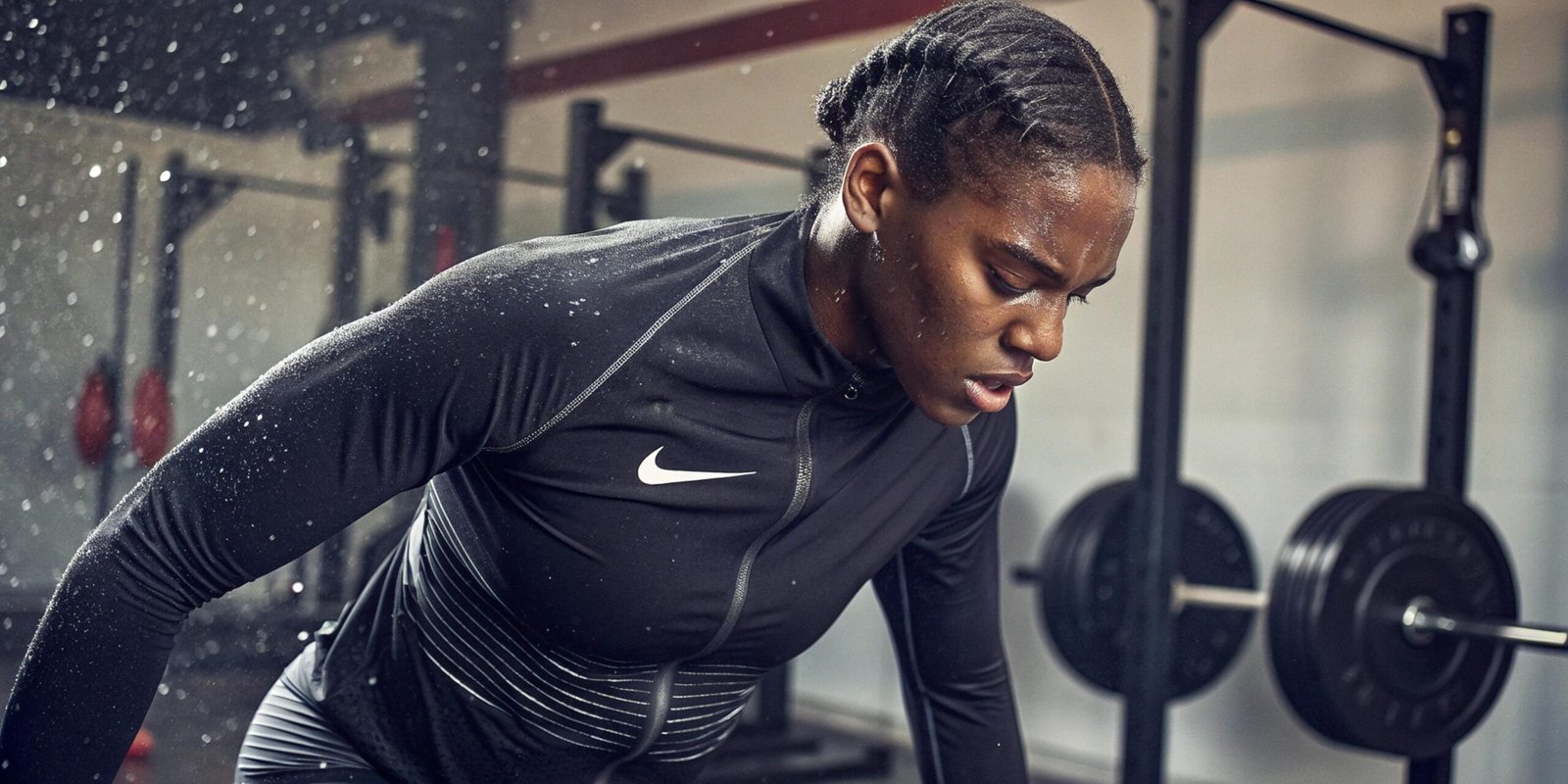
3. Why Smart Fabrics Matter for Athlete Performance
| Performance Need | Smart Fabric Solution | Result |
|---|---|---|
| Temperature control | Aeroadapt, Therma-FIT | Better endurance |
| Sweat management | Dri-FIT | Less discomfort |
| Muscle efficiency | Compression fabrics | Improved stability |
| Speed + movement | VaporKnit, Flyknit | More agility |
| Comfort | Seamless + stretch blends | Longer wear time |
💬 Smart fabrics solve real athlete problems — that’s why they win.
4. Comparison: Nike vs Other Smart-Fabric Leaders
| Brand | Smart Fabric Strategy | Strength |
|---|---|---|
| Nike | Adaptive + responsive fabrics | Balanced performance |
| Under Armour | Compression + heat control | Muscle support |
| Lululemon | Soft adaptive fabrics | Comfort + breathability |
| Adidas | Climate-cooling blends | Temperature management |
| FuKi Gymwear OEM | Custom smart-fiber blends | Built to brand needs |
💬 Nike leads in versatility — its tech fits training, running, football, and general fitness.
5. What Smaller Brands Can Learn From Nike
✔ Build around a performance problem
Nike starts with: “What does the athlete need?”
✔ Use adaptive fabric zones
Ventilation and compression should be placed intentionally.
✔ Keep gear lightweight
Smart fabric should improve movement, not restrict it.
✔ Mix comfort + performance
Athletes want tech they can wear every day.
✔ Work with an OEM that understands smart textiles
You need factories that can do precision knitting, bonding, and functionality testing.
💬 Great smart fabrics require both good materials and good engineering.
FAQs
Q1: What is Nike’s most popular smart fabric?
Dri-FIT — because moisture control works for all sports.
Q2: Is smart fabric more expensive to produce?
Yes, but it significantly improves performance and product value.
Q3: Can smaller brands use smart fabrics?
Absolutely — OEMs like FuKi Gymwear offer scalable options.
Q4: Are smart fabrics durable?
When engineered well, they last longer than standard fabrics.
Partnering With FuKi Gymwear
If smart-fabric performance is part of your brand’s vision,
👉 FuKi Gymwear can help you build apparel with Nike-level functionality.
Why brands choose us:
- 🧵 Smart-fiber, compression & seamless engineering
- 🚀 Fast sampling + low MOQ
- 🌱 Eco-friendly & recycled smart fabrics
- 🎨 Support for training, running & performance gear
💬 Smart fabrics require smart manufacturing — that’s where FuKi Gymwear excels.

