
Nike has never been just about shoes — it’s about innovation.
From self-lacing sneakers to temperature-regulating apparel, Nike continues to push textile science forward.
But how exactly does Nike tap into smart fabrics, and what can other activewear brands learn from it?
As someone who’s worked with OEM factories that produce for both performance and sustainable activewear, I’ve seen how smart fabrics transform not just sportswear — but the entire apparel industry.
Table of Contents
- Quick Answer
- 1. What Are Smart Fabrics?
- 2. Nike’s Smart Fabric Innovations
- 3. Key Technologies Behind Nike’s Success
- 4. Smart Fabrics vs. Traditional Performance Materials
- 5. How Smart Textiles Improve Sustainability
- 6. What Other Brands and OEMs Can Learn
- FAQs
- FuKi Yoga: Innovating with Smart, Sustainable Fabrics
Quick Answer
✅ Nike uses smart fabrics to enhance performance, comfort, and sustainability — blending data-driven textile engineering with wearable technology.
From sweat-responsive fibers to self-cooling knits, Nike’s goal is clear: make every product react intelligently to the body and environment.
1. What Are Smart Fabrics?
Smart fabrics are textiles that sense and respond to physical or environmental conditions — such as heat, movement, or moisture.
They can be divided into two main categories:
| Type | Function | Example |
|---|---|---|
| Passive smart fabrics | Sense external conditions | Moisture-wicking, UV-protective yarns |
| Active smart fabrics | Sense and respond | Temperature-adjusting, self-cleaning fibers |
💡 In simple terms: smart fabrics act like the “brain” of clothing — adjusting performance in real-time without electronics.
2. Nike’s Smart Fabric Innovations
Nike has invested heavily in textile intelligence — combining material science with digital research.
Here are some standout examples:
- Nike AeroAdapt™ – Uses body heat and sweat mapping to open ventilation zones where you sweat most.
- Nike Dri-FIT ADV – Advanced micro-fiber knitting that wicks moisture faster while keeping a natural feel.
- Nike Forward – A new textile platform that reduces carbon impact by eliminating traditional spinning and weaving.
- Nike FitAdapt (shoes and apparel) – Embedded sensors that adjust fit based on body movement and temperature.
- Smart Compression Fabrics – Used in Nike Pro series, offering targeted support zones for improved recovery.
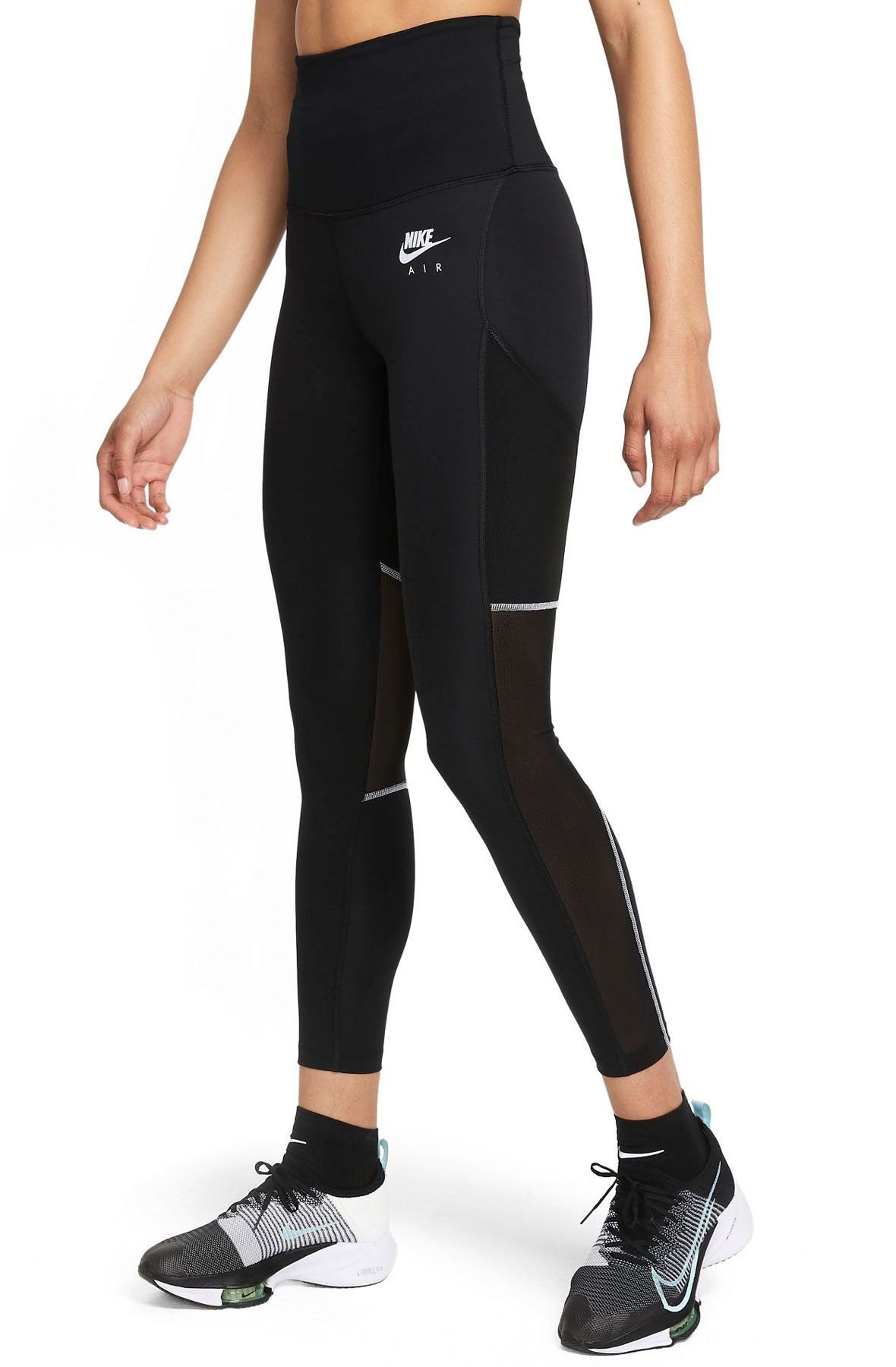
👟 These innovations show how Nike moves beyond aesthetics — building fabrics that actually “think” with your body.
3. Key Technologies Behind Nike’s Success
| Technology | What It Does | Benefit to Athletes |
|---|---|---|
| Micro-engineered knitting | Uses 3D mapping to target sweat and stretch zones | Comfort & breathability |
| Thermo-reactive polymers | Adjust insulation based on temperature | Keeps athletes cool or warm |
| Recycled performance yarns | Made from post-consumer plastic bottles | Eco-friendly durability |
| Integrated data mapping | Tracks heat and motion during design | Product personalization |
💬 From a factory perspective: Nike’s precision requires data-backed production — digital pattern mapping and quality inspection at microscopic levels.
4. Smart Fabrics vs. Traditional Performance Materials
| Feature | Traditional Fabric | Smart Fabric |
|---|---|---|
| Moisture Control | Passive wicking | Adaptive drying response |
| Heat Management | Fixed insulation | Temperature regulation |
| Elasticity | Static stretch | Dynamic compression |
| Sustainability | High resource use | Optimized fiber efficiency |
🧵 Smart fabrics aren’t about luxury — they’re about longevity and intelligence, two key values for next-generation apparel design.
5. How Smart Textiles Improve Sustainability
Nike’s integration of smart fabric goes hand-in-hand with its sustainability mission:
- Less waste: advanced knitting eliminates fabric cutting loss.
- Lower energy: thermo-regulating materials reduce need for thick layers.
- Recyclability: use of monomaterials improves end-of-life reuse.
- Reduced microplastics: smarter yarns shed less during washing.
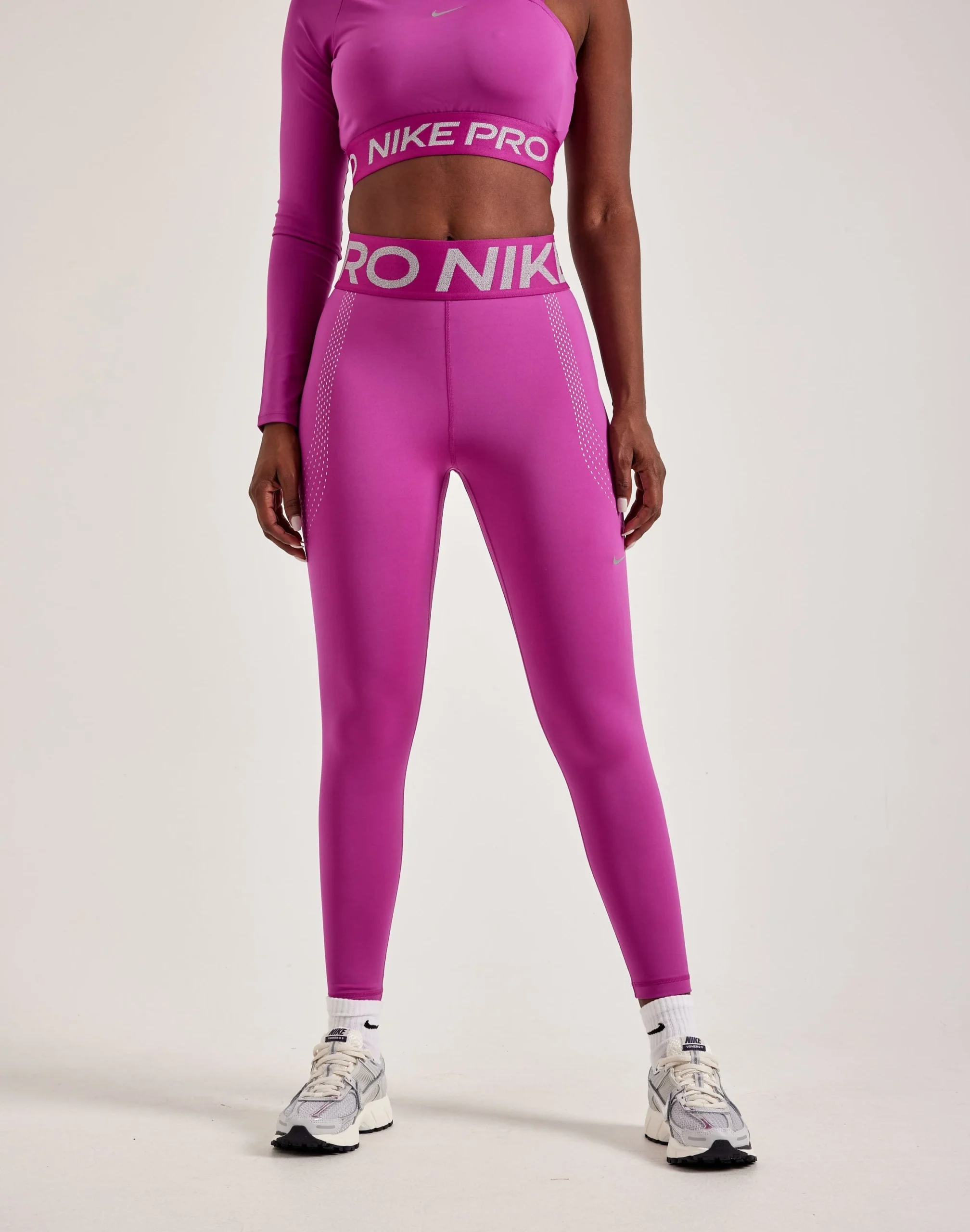
🌱 Insight: at FuKi Yoga, we apply similar principles by developing RPET and biodegradable activewear fabrics — offering brands the balance between performance and environmental responsibility.
6. What Other Brands and OEMs Can Learn
Nike’s smart-fabric strategy offers valuable lessons for growing private labels:
| Lesson | Action Plan |
|---|---|
| Combine innovation with purpose | Use fabrics that solve a real user problem. |
| Invest in material R&D | Partner with OEMs familiar with tech-textiles. |
| Design for data | Collect wear-test data before scaling. |
| Tell the science story | Consumers buy innovation they can understand. |
🎯 Takeaway: smart fabrics are no longer reserved for giants like Nike — they’re accessible through OEM collaborations that integrate advanced knitting, laser bonding, and eco-thread engineering.
FAQs
Q1: Does Nike actually use electronic textiles?
Not yet in mass production — most of Nike’s smart fabrics are reactive, not digital. They respond via material science, not circuits.
Q2: Is Nike’s smart fabric technology patented?
Yes, Nike owns multiple patents for AeroAdapt™, Flyknit, and thermoreactive yarns.
Q3: Can small brands access similar technologies?
Yes. OEM manufacturers like FuKi Yoga offer smart-performance fabrics that mimic the same moisture and temperature control — at a lower cost.
FuKi Yoga: Innovating with Smart, Sustainable Fabrics
At FuKi Yoga, we believe innovation shouldn’t belong only to global giants.
We help activewear brands integrate smart, sustainable materials into their collections — from yoga sets to training gear.
Our capabilities include:
- 🧬 Temperature-adaptive & quick-dry fabrics
- ♻️ Recycled nylon and RPET fiber development
- 🧵 Seamless knitting and four-way stretch engineering
- 🌍 Certified ethical production (BSCI / OEKO-TEX)
- 🚢 Low MOQ (100 pcs) for new private labels
FuKi Yoga bridges performance technology and ethical manufacturing — empowering new brands to compete on innovation, not just price.
👉 Explore more: fukiyoga.com/service/quality-control/

