
Nike has built a global reputation for combining cutting-edge innovation with massive-scale production — a rare balance in the apparel industry.
As someone experienced in activewear manufacturing, I’ve often wondered:
How does Nike manage to produce millions of garments each year without sacrificing quality or creativity?
Let’s break down how Nike blends innovation, technology, and production efficiency to stay at the top of the sportswear world.
Table of Contents
- Nike’s Dual Strategy: Innovation Meets Scale
- Inside Nike’s Research and Development Ecosystem
- How Technology Powers Nike’s Mass Production
- Global Manufacturing Network and Quality Control
- Balancing Speed, Cost, and Sustainability
- Nike vs. Competitors: Who Innovates Better?
- Lessons for Emerging Activewear Brands
- FAQs
- About FuKi Gymwear – Empowering the Next Generation of Activewear Brands
1. Nike’s Dual Strategy: Innovation Meets Scale
Nike’s success lies in its dual operating model — investing heavily in innovation while maintaining industrial-level production.
| Focus Area | Innovation Strategy | Production Outcome |
|---|---|---|
| Product Design | Human-centered, performance-driven | Better fit and comfort |
| Materials | Proprietary fabrics (like Dri-FIT™) | Consistency in bulk |
| Supply Chain | Digital and automated | Lower cost, faster delivery |
💬 From a manufacturing point of view, Nike’s true innovation is not just in design — it’s in how they make innovation scalable.
2. Inside Nike’s Research and Development Ecosystem
Nike’s Innovation Labs in Oregon and Asia test everything — from moisture control to thermal comfort.
Their R&D process is deeply data-driven, blending athlete feedback with fabric science.
Core R&D Strengths:
- Biomechanical testing for motion efficiency
- Digital modeling before mass sampling
- Material partnerships with tech companies
- Sustainability research on recycling and circular fabrics
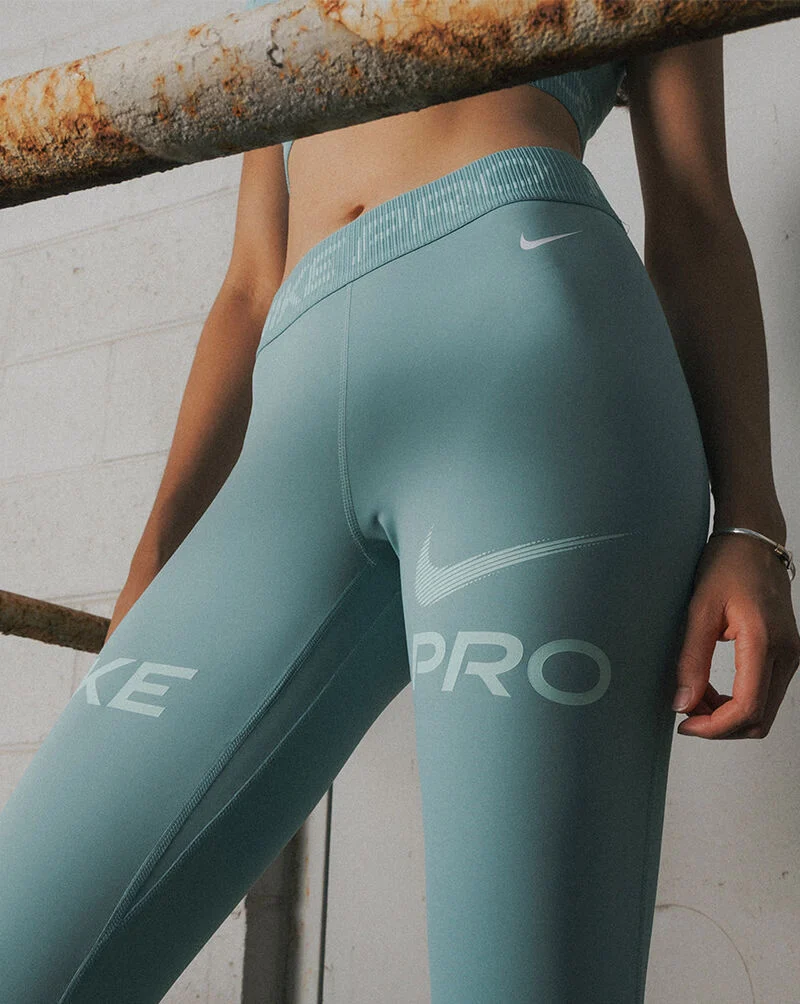
🧠 This system allows Nike to release new technologies every season — not every few years.
3. How Technology Powers Nike’s Mass Production
Nike’s factories are no longer “manual assembly lines.” They’re automated performance centers that use advanced manufacturing tools.
Examples of Tech Integration:
- 3D knitting & laser cutting for seamless precision
- Automated dyeing to reduce water waste
- Digital quality tracking through AI analytics
- Robotic logistics systems for faster shipping
💬 I’ve seen similar systems in high-end OEM factories — automation is now the backbone of global activewear.
4. Global Manufacturing Network and Quality Control
Nike’s production spans over 35 countries, including Vietnam, China, Indonesia, and Thailand.
But regardless of location, quality standards remain consistent through centralized monitoring.
| Region | Primary Role | Strength |
|---|---|---|
| Vietnam | Apparel & footwear | High output with consistent QC |
| China | Advanced materials & testing | Precision and scalability |
| Indonesia | Footwear & accessories | Durable craftsmanship |
| Thailand | Seamless and technical gear | Innovation-oriented lines |
🌍 The key lesson: global manufacturing doesn’t mean losing control — it means mastering coordination.
5. Balancing Speed, Cost, and Sustainability
Nike’s challenge has always been balancing speed-to-market and eco-responsibility.
Through “Lean Manufacturing” and the Move to Zero initiative, Nike aims to achieve both.
Nike’s Efficiency Model:
- Reduced lead times via digital sampling
- Ethical, certified factories (BSCI / WRAP / OEKO-TEX®)
- 80% of materials sourced sustainably
- Smart forecasting to reduce waste
💬 As a manufacturer myself, I see Nike’s real innovation in optimizing process — not just product.
6. Nike vs. Competitors: Who Innovates Better?
| Brand | Innovation Focus | Manufacturing Strength | Weakness |
|---|---|---|---|
| Nike | Performance + sustainability | Scale + precision | High price point |
| Adidas | Eco-innovation (Parley, recycled ocean plastic) | Global partnerships | Slower release cycle |
| Under Armour | Smart fabrics | Technical compression gear | Limited lifestyle appeal |
| Gymshark | Social media + branding | Agile sampling | Smaller infrastructure |
| FuKi Gymwear | OEM + innovation support | Custom production | Low MOQ niche |
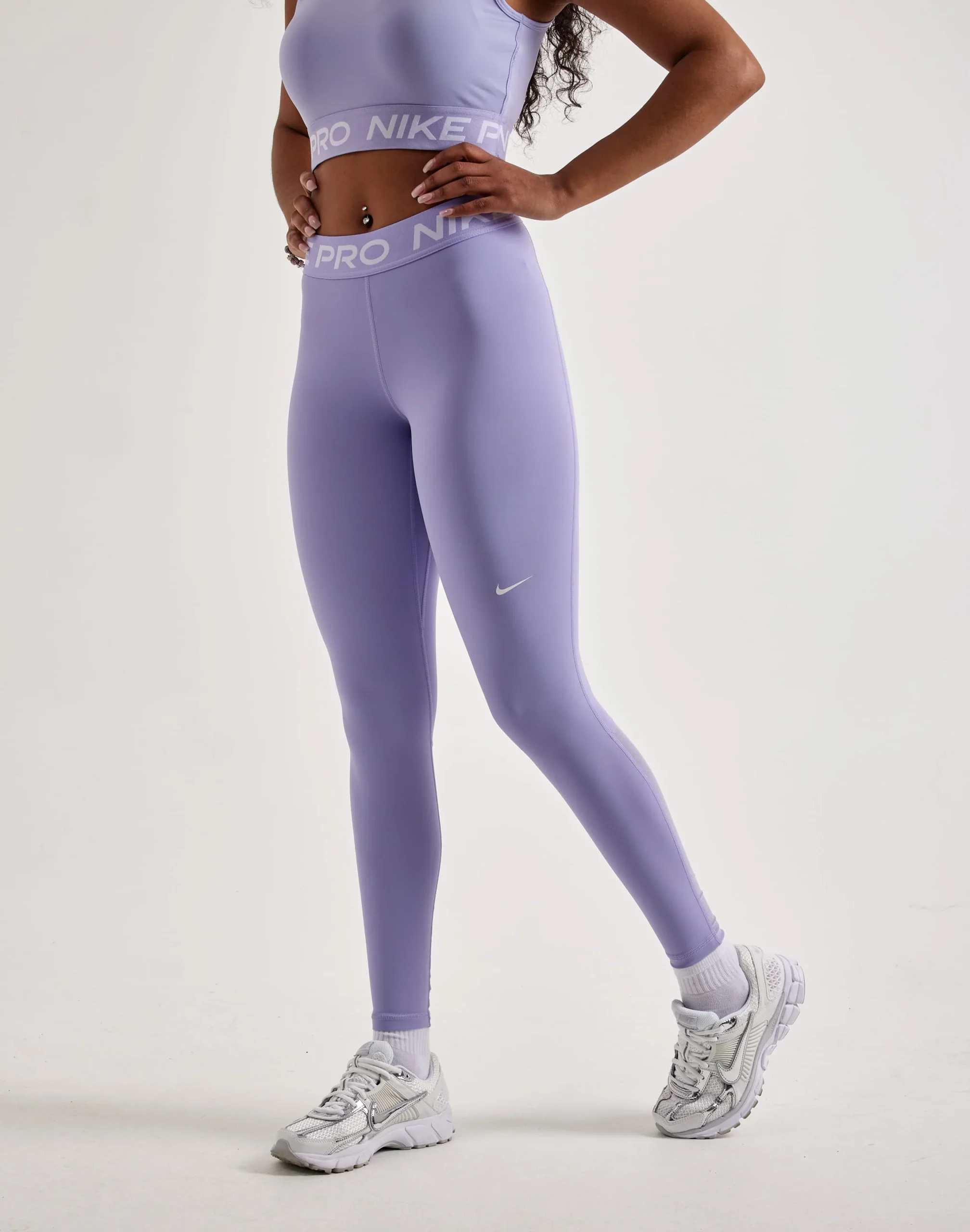
📈 In short: Nike leads in scalability, Adidas in eco-innovation, Gymshark in branding.
7. Lessons for Emerging Activewear Brands
If you’re building your own brand, here’s what Nike’s model teaches us:
✅ Prototype fast, then scale smart – Don’t perfect before testing.
✅ Invest in supply chain tech – Track, measure, and adapt.
✅ Use sustainable materials early – It’s not optional anymore.
✅ Build long-term OEM partnerships – They ensure stable quality.
💬 At FuKiGymwear.com, we apply the same production mindset — precision, efficiency, and sustainability — to help small brands scale like Nike.
8. FAQs
Q1. How does Nike keep innovation while mass-producing millions of products?
By integrating R&D, digital automation, and strict global QC processes.
Q2. Does Nike make all its products in-house?
No, Nike partners with over 500 certified factories globally, especially in Asia.
Q3. How long does it take Nike to launch a new product line?
Typically 6–9 months, thanks to digital design and rapid prototyping.
Q4. What’s Nike’s main advantage over newer activewear brands?
Its ability to scale innovation without losing quality.
9. About FuKi Gymwear – Empowering the Next Generation of Activewear Brands
At FuKiGymwear.com, we help startups and global fitness brands produce custom activewear inspired by the same innovation principles used by Nike.
We Offer:
- OEM & ODM performance apparel manufacturing (Low MOQ – 100 pcs)
- Technical fabrics: nylon, spandex, recycled polyester
- Private labeling, packaging & custom printing
- 7–10 day sampling, 25–35 day production
- Certified ethical production (BSCI / OEKO-TEX® / GRS)
💬 If you’re ready to turn your creative vision into high-performance gear, we’ll help you scale like Nike — with precision and sustainability.
👉 Build your activewear line with FuKi Gymwear:
Visit FuKiGymwear.com and explore how we support brand innovation through ethical, efficient production.

