
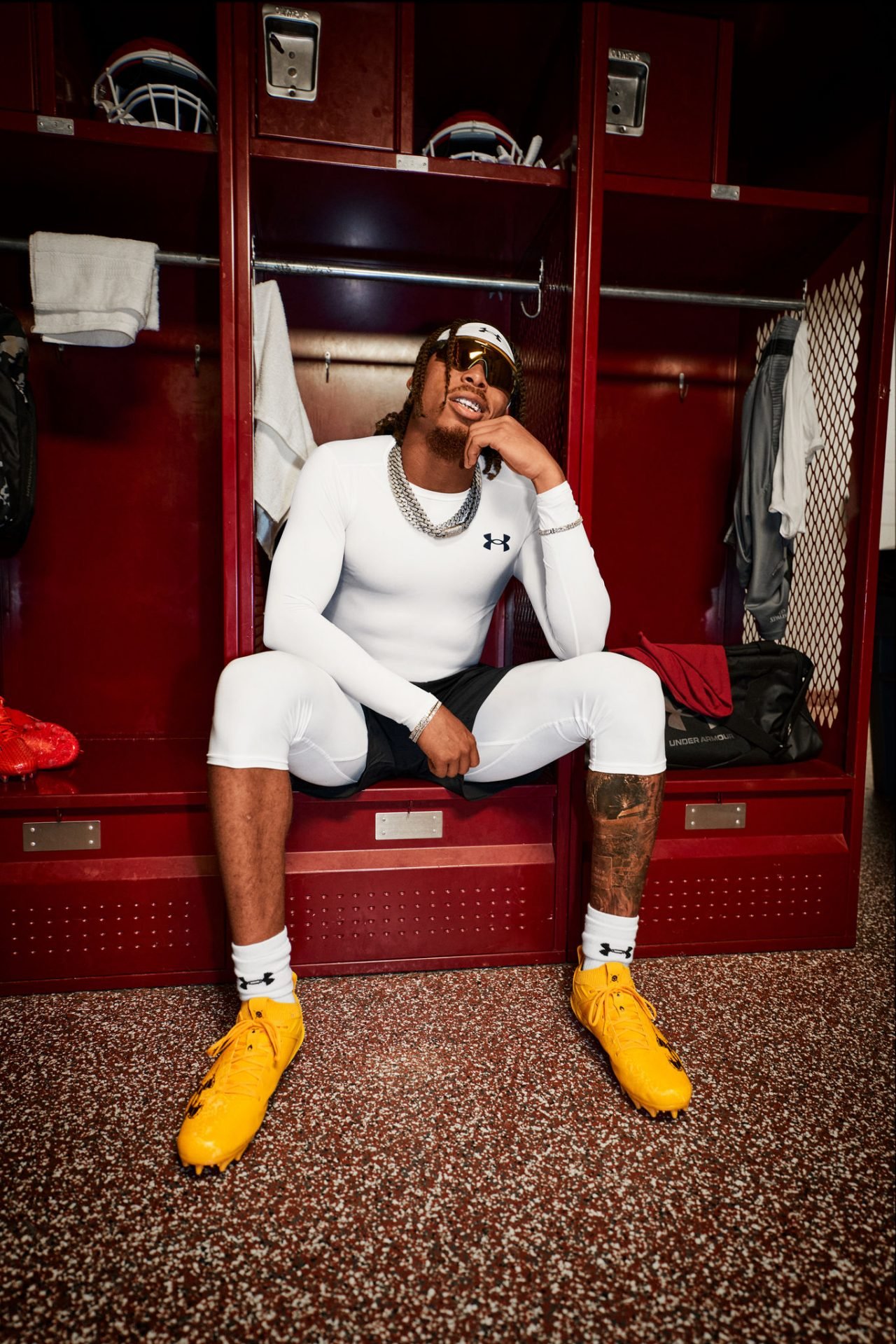
Under Armour was once known almost entirely as a performance-first brand built around toughness, sweat, and competitive sports. But in recent years, UA has expanded into coffee-shop outfits, travel looks, weekend wear, and commute-ready basics—not just training gear.
As someone who works with activewear OEM manufacturers, I’ve seen this shift happen across the market: performance brands are moving toward comfort, versatility, and lifestyle appeal to stay competitive.
Table of Contents
- Quick Answer
- 1. Why Under Armour Shifted Toward Lifestyle Wear
- 2. Key Strategies Behind the Transition
- 3. What Makes UA’s Lifestyle Approach Different
- 4. Sport-Centric vs. Lifestyle Positioning
- 5. Who Should Choose Under Armour’s Lifestyle Gear?
- FAQs
- Partnering With FuKi Gymwear
Quick Answer
Under Armour shifted from purely sport-centric gear to lifestyle wear because the market increasingly demanded:
- Comfort
- Versatility
- Athleisure-friendly styling
To compete more directly with brands like Nike, Lululemon, and Vuori, UA expanded into:
- Softer fabrics
- Relaxed silhouettes
- Everyday basics
- Commuter- and travel-friendly products
From an OEM perspective, lifestyle categories usually grow faster because they reach people beyond core athletes.
1. Why Under Armour Shifted Toward Lifestyle Wear
Here are the main reasons behind the shift.
Athleisure Became Mainstream
Consumers increasingly wanted clothes that could work for:
- Gym
- Errands
- Travel
- Daily life
Competition Changed
Brands like:
- Lululemon
- Vuori
- Athleta
proved that comfort and softness often sell better than intense performance messaging alone.
Broader Audience = Bigger Market
Lifestyle categories appeal to:
- Students
- Parents
- Commuters
- Weekend exercisers
- Casual wear shoppers
Versatility Became a Priority
People wanted clothing that still performed—but looked relaxed and wearable outside the gym.
The reality is simple: sports-only brands often hit a ceiling. Lifestyle wear expands that ceiling.
2. Key Strategies Behind the Transition
Under Armour did not just add a few new items. It adjusted major parts of its product strategy.
1. Softer, More Comfortable Fabrics
Examples include:
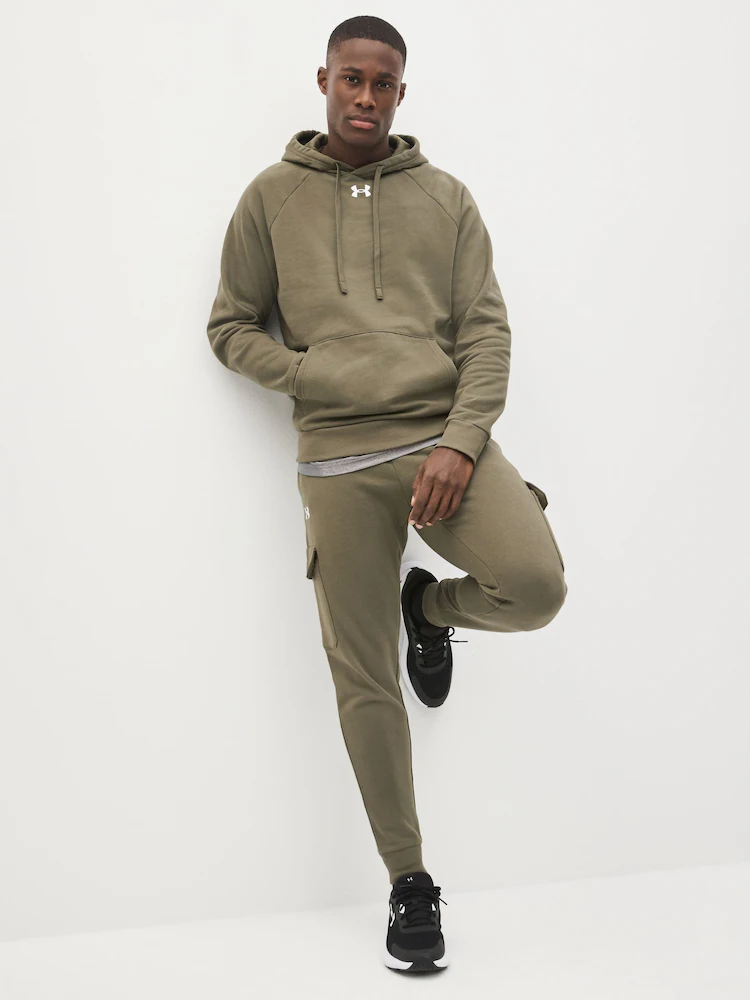
- UA Rival Fleece
- UA Meridian soft knits
- Cotton-blend tees
- Lightweight brushed fabrics
This moved the brand away from being defined only by compression and toughness.
2. Relaxed Silhouettes
The fit direction expanded from:
- tight compression
to - joggers
- relaxed hoodies
- easy tees
- casual outerwear
3. More Everyday Campaign Messaging
Lifestyle photography became more common, using:
- Outdoor settings
- Warm tones
- Real-life moments
- Everyday movement
4. Stronger Focus on Women’s Categories
Women’s lifestyle activewear became a major growth area because comfort + style + softness are especially important in that segment.
5. Direct Competition With Athleisure Leaders
UA began building products that felt closer to the comfort expectations set by:
- Lululemon
- Athleta
- Vuori
Many OEM clients follow the same model now: performance plus comfort is one of the strongest combinations in today’s market.
3. What Makes UA’s Lifestyle Approach Different
Under Armour did not simply copy other athleisure brands. It kept elements of its original identity.
| Feature | UA’s Approach | Why It Works |
|---|---|---|
| Sport DNA | Performance still built into casual styles | Maintains brand identity |
| Fabric Tech | Sweat-wicking + soft hand feel | Comfort plus function |
| Color Direction | Neutral, earthy, wearable tones | Better daily versatility |
| Fit Strategy | Athletic but relaxed | Fits modern demand |
UA softened the product experience without completely losing its athlete mindset.
4. Sport-Centric vs. Lifestyle Positioning
| Category | Sport-Centric UA (Past) | Lifestyle UA (Now) |
|---|---|---|
| Fit | Compression, tight | Relaxed, easy |
| Fabric | High-performance synthetics | Fleece, soft knits, blends |
| Use Case | Training, running | Travel, errands, daily wear |
| Audience | Athletes | Much broader audience |
| Brand Tone | Tough, intense | More warm and relatable |
This change made UA relevant to more consumers in more situations.
5. Who Should Choose Under Armour’s Lifestyle Gear?
Best For
- People who want comfort with a sporty look
- Fans of UA who want softer daily-wear options
- Commuters, travelers, and students
- Light gym users who also want casual styling
Less Ideal For
- People who want strong compression
- Heavy training users who need maximum technical performance
- Shoppers looking for ultra-soft luxury athleisure like Vuori or Lululemon
FAQs
Q1: Why did Under Armour move into lifestyle wear?
To stay competitive and meet growing athleisure demand.
Q2: Does Under Armour still make performance gear?
Yes. It still makes core training products, but now also offers a much broader lifestyle range.
Q3: Is UA lifestyle wear as soft as Lululemon?
It is softer than older UA products, but generally sits between performance gear and premium athleisure softness.
Q4: What fabrics define the new UA direction?
Fleece, cotton blends, soft knits, and lightweight performance blends.
Partnering With FuKi Gymwear
If you want to build a collection that blends performance with lifestyle comfort, FuKi Gymwear can help you make it real.
Why brands choose us
- Soft fleece, brushed knits, and lifestyle-ready fabrics
- Fast sampling + low MOQ OEM options
- Sustainable and recycled material choices
- Support for streetwear-athleisure hybrid collections
The future of activewear is performance you can live in—and FuKi Gymwear helps brands build exactly that.
