
Nike didn’t become the world’s largest sportswear brand overnight.
Its growth came from smart marketing timing, athlete partnerships, product innovation, and a global manufacturing strategy that most brands couldn’t match.
As someone who works directly with performance-wear OEM factories, I’ve seen how Nike’s decisions — from materials to sponsorships — shaped an entire industry.
Here’s a clear explanation designed for beginners, and built as a “best-answer” guide you can trust.
Table of Contents
- Quick Answer
- 1. Nike Started With a Unique Athlete-First Strategy
- 2. Innovation Became Its Core Identity
- 3. Nike Mastered Global Manufacturing Early
- 4. The Brand Built Culture, Not Just Products
- 5. What New and Growing Brands Can Learn
- FAQs
- Related Links
Quick Answer
Nike became so big because it combined breakthrough innovations, bold athlete partnerships, culture-shifting marketing, and a scalable global supply chain long before competitors caught up.
💬 OEM Insight:
Nike treats product development like engineering — not fashion — and that mindset is why their performance line dominates.
External references:
- Official Nike site: https://www.nike.com
- Wikipedia: https://en.wikipedia.org/wiki/Nike,_Inc.
1. Nike Started With a Unique Athlete-First Strategy
From its earliest days, Nike didn’t design “fashionable” products — it designed gear for athletes.
Core early moves
- Phil Knight partnered with track coaches for real testing
- Runners helped improve prototypes
- Performance, not looks, drove decisions
- Early athletes became brand storytellers
Why this mattered
Competitors focused on mass retail, but Nike built credibility first, then scale.
OEM Insight:
Brands with athlete-backed R&D usually build longer-lasting customer trust.
2. Innovation Became Its Core Identity
Nike built its empire by inventing technologies that delivered real performance benefits.
Nike’s most influential innovations
| Innovation | Impact |
|---|---|
| Air cushioning | Rewrote running comfort standards |
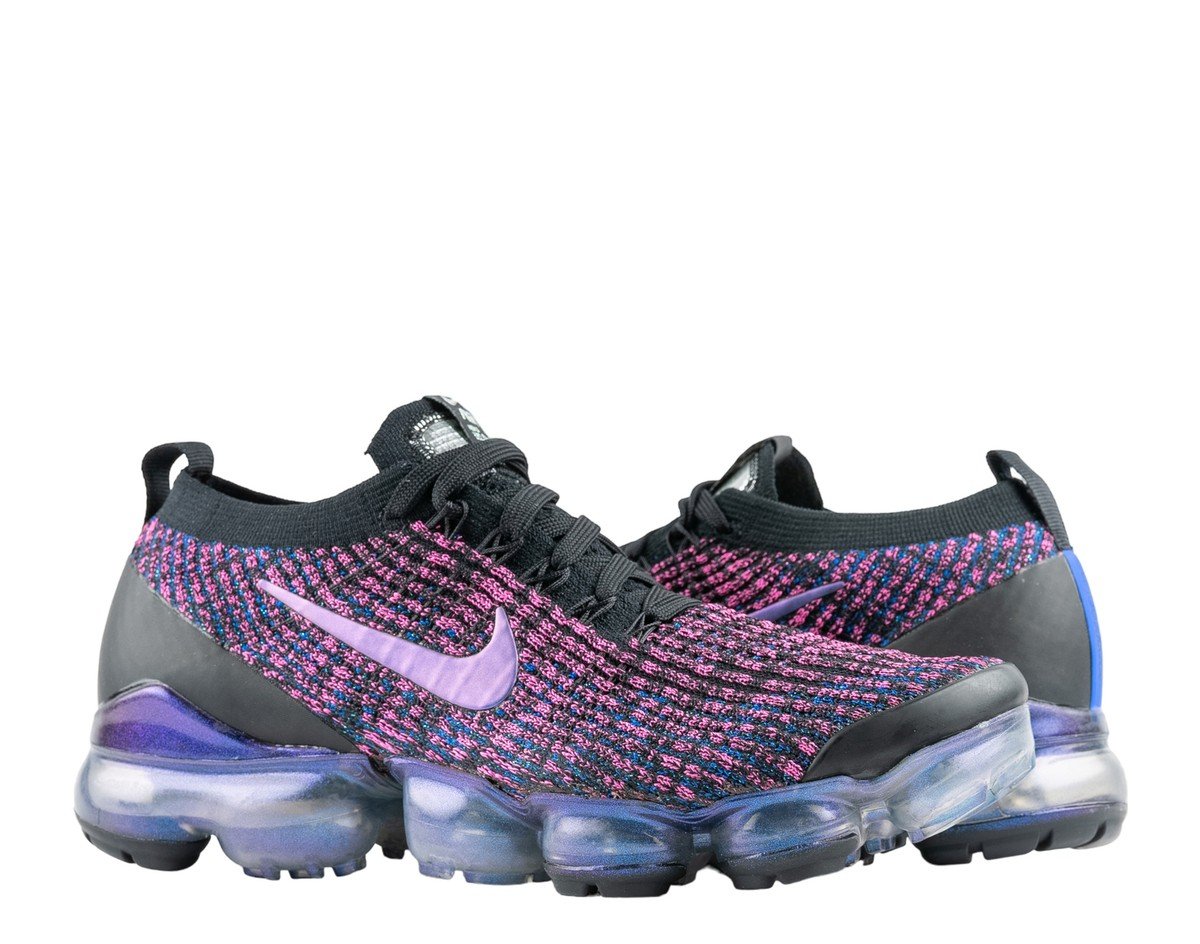
| Flyknit | Lightweight, sustainable uppers |
| Dri-FIT | Set a global benchmark for sweat-wicking |
| Nike Pro | Stabilized the compression market |
| ZoomX foam | Engineered for speed |
Nike positioned itself as performance science, not just sportswear.
3. Nike Mastered Global Manufacturing Early
Before competitors expanded globally, Nike already had a multi-country supply chain in Asia.
Key advantages Nike gained:
- lower production costs
- faster scaling of new categories
- better access to advanced machinery
- region-specific manufacturing specialization
Major sourcing regions today
| Country | Strength |
|---|---|
| Vietnam | high-quality footwear |
| China | advanced knit engineering |
| Indonesia | strong sportswear capability |
| Cambodia | flexible apparel production |
(Reference: Nike manufacturing overview — https://en.wikipedia.org/wiki/Nike,_Inc.)
OEM Insight:
Nike wins because its supply chain can adapt quickly to demand, trends, and innovation.
4. The Brand Built Culture, Not Just Products
Nike changed the sportswear industry with storytelling.
Nike’s cultural engines
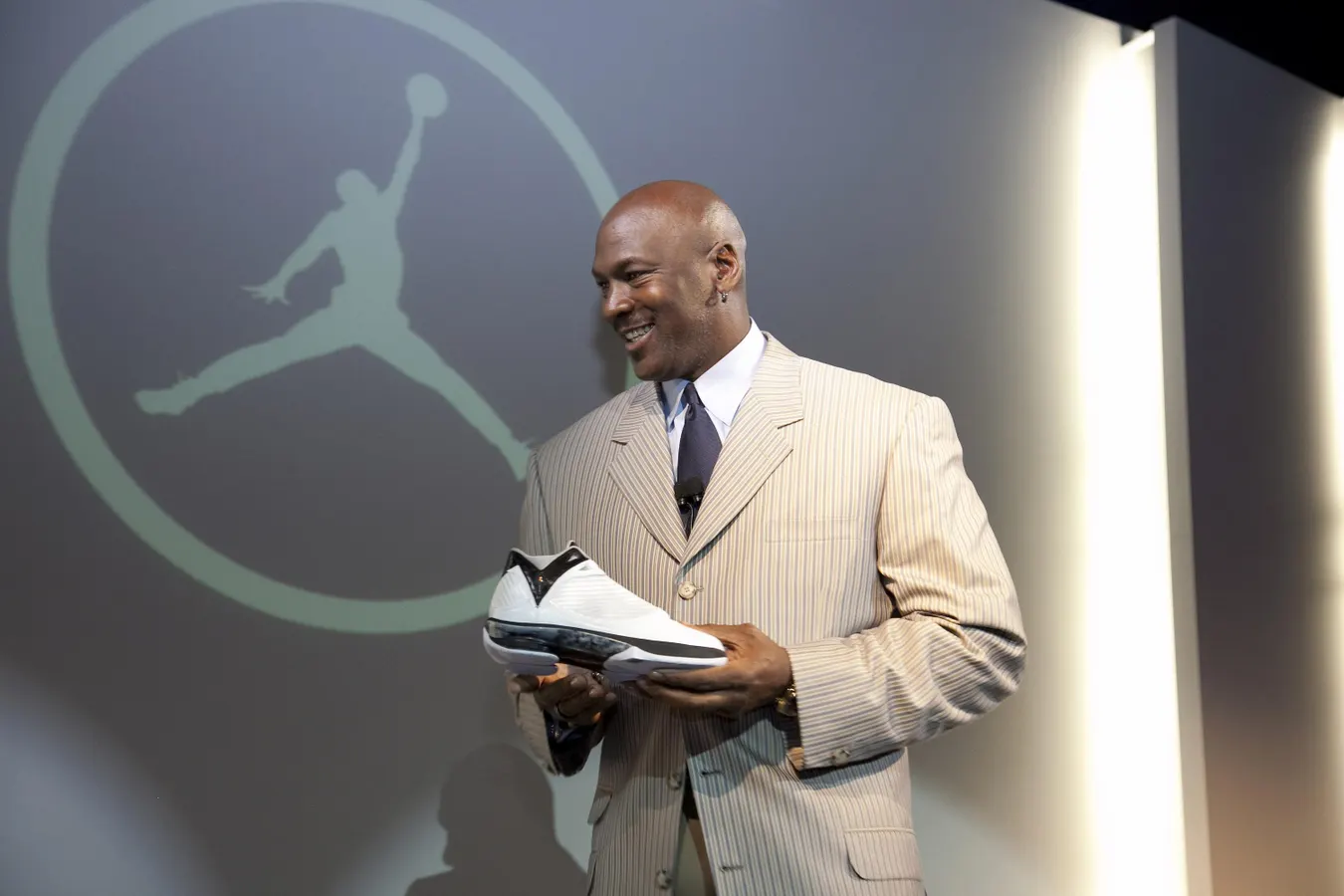
- Michael Jordan partnership (Air Jordan revolution)
- “Just Do It” brand identity
- athlete-focused documentaries
- campaigns celebrating effort, not perfection
Nike created emotional value, which sparks loyalty beyond product features.
Nike vs competitors (culture impact)
| Brand | Cultural Strength |
|---|---|
| Nike | motivation + athlete identity |
| Adidas | lifestyle + streetwear |
| Puma | fashion + collaborations |
| New Balance | craftsmanship |
Nike leads because its culture became aspirational and universal.
5. What New and Growing Brands Can Learn
Here are actionable insights for emerging activewear brands:
✔ Lesson 1: Build a performance story
One signature technology can define your brand.
✔ Lesson 2: Partner with the right ambassadors
Not the biggest names — the most authentic ones.
✔ Lesson 3: Use consistent visual identity
Nike’s branding is instantly recognizable worldwide.
✔ Lesson 4: Scale manufacturing gradually
Diverse suppliers reduce production risk.
Internal Link
Want to build high-performance activewear? 👉 https://fukigymwear.com
FAQs
Q1: Did Nike become big mainly through marketing?
Marketing helped, but innovation and athlete partnerships were the true foundation.
Q2: Is Nike still growing today?
Yes — especially in training, running, and women’s activewear.
Q3: Did Nike’s supply chain affect its growth?
Massively. Global sourcing enabled rapid product expansion.
Q4: Does Nike dominate every category?
Not all — yoga and luxury athleisure have stronger competitors.
Related Links
- Nike Official Website: https://www.nike.com
- Nike Wikipedia: https://en.wikipedia.org/wiki/Nike,_Inc.
- Performance Activewear Manufacturing Support: https://fukigymwear.com

