
As someone who works directly with performance-wear OEM factories and has supported multiple activewear startups, I’ve watched Lululemon’s rise very closely. Their growth wasn’t luck — it was a combination of smart product strategy, community building, fabric innovation, and perfect timing.
Below is a beginner-friendly, structured breakdown that explains exactly how Lululemon scaled from a small yoga boutique in 1998 to a global powerhouse.
Table of Contents
- Quick Answer
- 1. They Invested Early in Fabric Technology
- 2. They Built a Community Before Building a Brand
- 3. They Created a Premium Identity (Not a Discount Brand)
- 4. They Focused on Fit Consistency and Long-Term Loyalty
- 5. They Expanded Categories Slowly—but Strategically
- Growth Timeline Summary
- Comparison Table: Why Lululemon Won
- Who Should Learn From Lululemon’s Strategy?
- FAQs
- Related Links
Quick Answer
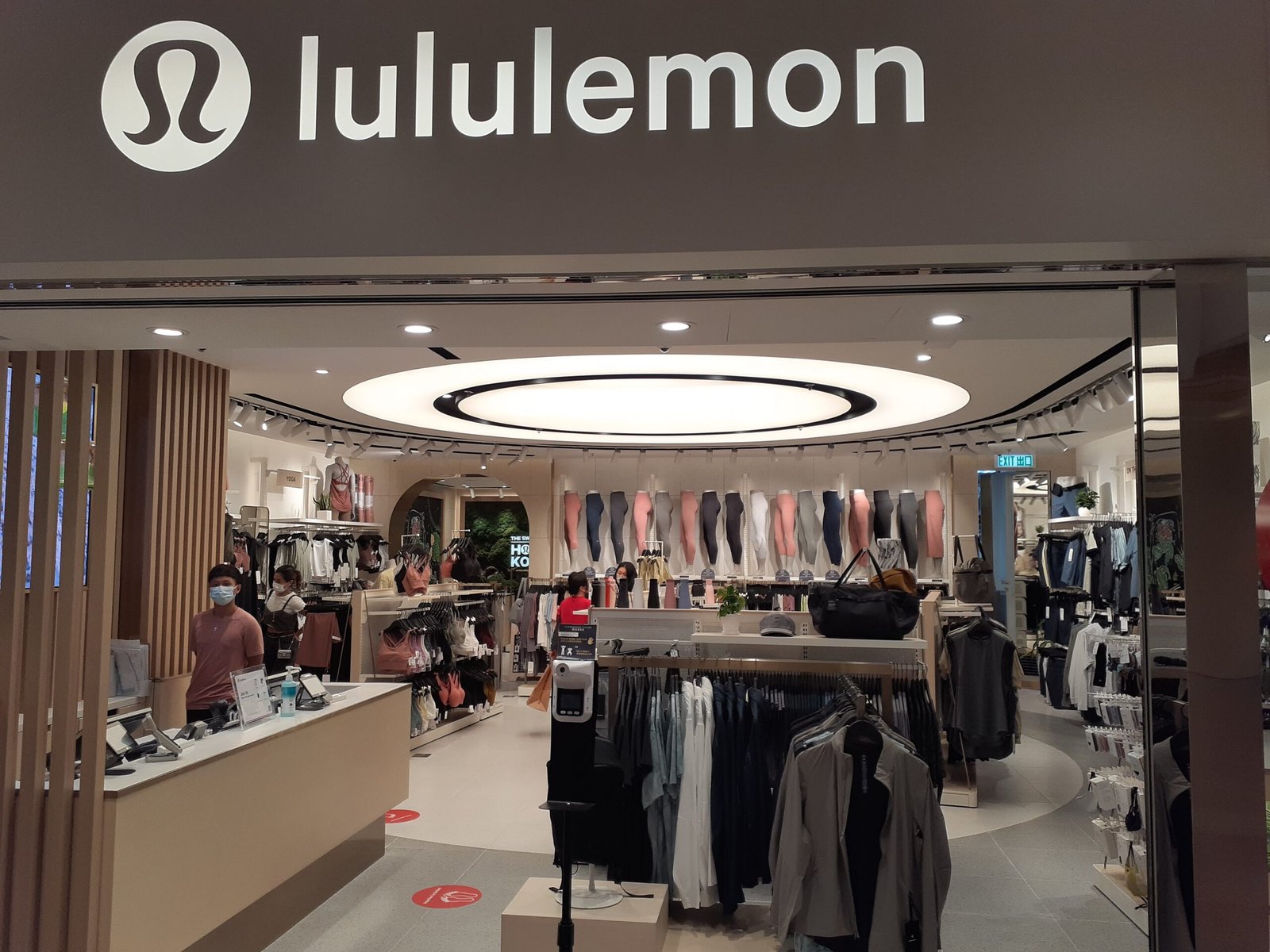
Lululemon grew so fast because it combined unique fabric technology, community-driven marketing, premium positioning, and disciplined product strategy.
Instead of competing on price, they built products people felt were worth paying more for — and they expanded categories only when they had a strong foundation.
External references:
- Official site: https://shop.lululemon.com
- Lululemon Wikipedia: https://en.wikipedia.org/wiki/Lululemon_Athletica
1. They Invested Early in Fabric Technology
From day one, Lululemon realized that most sportswear brands used generic fabrics.
So they went the opposite direction: create proprietary fabrics nobody else had.
Their famous fabric families:
- Nulu (Align) — buttery, weightless feel
- Nulux — sleek and fast-drying
- Luxtreme — supportive compression
- Everlux — breathable yet firm
- Warpstream — wrinkle-free casual wear
OEM Insight:
When you invest in yarn-level R&D, the “feel difference” becomes your most powerful marketing tool.
This instantly set Lululemon apart — and customers could feel it.
2. They Built a Community Before Building a Brand
This is one of the smartest things Lululemon ever did.
Instead of spending money on ads, they:
- partnered with local yoga instructors
- offered community yoga classes
- opened small experiential stores
- empowered ambassadors to guide product decisions

People didn’t just buy leggings — they joined a lifestyle.
Why this mattered:
- created emotional loyalty
- built organic word-of-mouth
- positioned the brand as aspirational wellness, not fashion
For a long time, Lululemon didn’t need traditional marketing.
The community did the work.
3. They Created a Premium Identity (Not a Discount Brand)
Lululemon avoided one of the biggest traps in apparel: endless discounting.
Their pricing strategy was bold:
- premium prices
- limited sales
- strong in-store experience
- stable designs that didn’t rely on trends
This built the perception of:
- better quality
- longer-lasting value
- a product worth investing in
Why this works:
People trust brands that don’t look desperate for sales.
Lululemon chose prestige over volume — and won.
4. They Focused on Fit Consistency and Long-Term Loyalty
One thing I’ve observed as an OEM partner:
fit consistency is one of Lululemon’s superpowers.
They engineered fit with:
- athlete testing
- biomechanical mapping
- flatlock seam placement
- waistband stability protocols
When customers find a pair of leggings that fits perfectly, they’ll buy:
- every color
- every fabric variation
- replacements for years
This built repeat purchasing at scale — the engine of their exponential growth.
5. They Expanded Categories Slowly—but Strategically
Instead of launching everything at once (like many startups), Lululemon grew with intention.
Their expansion timeline:
- Yoga leggings
- Yoga tops & bras
- Running & training gear
- Men’s performance apparel
- Lifestyle & commuter wear
- Footwear (recent expansion)
Each expansion served an existing customer base — not a random new audience.
Why this worked:
- high customer retention
- predictable revenue growth
- strong brand identity preserved
Internal Link:
Looking to build a Lululemon-style activewear brand?
👉 https://fukigymwear.com
Growth Timeline Summary
| Year | Milestone |
|---|---|
| 1998 | First Lululemon store opens in Vancouver |
| Early 2000s | Ambassador & community model launches |
| 2005–2010 | Fabric innovation becomes brand identity |
| 2010s | Men’s category + global expansion |
| 2020s | Footwear, technical streetwear & major global demand |
Lululemon didn’t grow overnight — it grew through strategic discipline.
Comparison Table: Why Lululemon Won
| Category | Lululemon | Typical Activewear Brand |
|---|---|---|
| Fabric | Proprietary, highly engineered | Generic fabrics |
| Fit | Consistent, engineered | Basic pattern grading |
| Community | Strong, organic | Traditional ads |
| Pricing | Premium, stable | Frequent discounts |
| Identity | Wellness lifestyle | Athletic apparel |
| Loyalty | Extremely high | Moderate |
Who Should Learn From Lululemon’s Strategy?
Lululemon’s strategy is most valuable for:
- new activewear brands
- yoga apparel labels
- premium lifestyle brands
- athleisure startups
- DTC fashion businesses
Key lessons:
- innovate at the fabric level
- build a community, not just a store
- avoid discount cycles
- expand slowly, strategically
- maintain fit consistency
These principles form Lululemon’s “growth engine.”
FAQs
Q1: Did Lululemon grow fast because of yoga trends?
Partially, yes — but their fabric innovation and community focus created stronger long-term growth.
Q2: Was Lululemon always premium?
Yes. They positioned themselves as premium from day one.
Q3: Did ambassadors play a big role in growth?
Absolutely. They were one of the strongest early marketing channels.
Q4: Is Lululemon’s growth slowing now?
No — global expansion and menswear continue to accelerate revenue.
Related Links
- Lululemon Official: https://shop.lululemon.com
- Lululemon Wikipedia: https://en.wikipedia.org/wiki/Lululemon_Athletica
- Activewear Manufacturing Partner: https://fukigymwear.com

