
Lululemon started as a niche yoga apparel company in Vancouver, but today it’s a global lifestyle powerhouse.
You’ll see its logo not only in yoga studios — but on the streets, in airports, and even in coffee shops.
So how did a technical activewear company evolve into a cultural lifestyle symbol?
As someone who works within the activewear manufacturing industry, I’ve observed how strategy, community, and product innovation helped shape Lululemon’s global identity.
Table of Contents
- From Yoga Studio to Global Brand
- How Lululemon Defined the “Athleisure” Movement
- The Role of Community and Culture
- Lululemon’s Product and Fabric Innovation
- Marketing Without Traditional Advertising
- Why Consumers Identify Emotionally with Lululemon
- How It Compares to Other Activewear Brands
- What Startups Can Learn from Lululemon’s Journey
- FAQs
- About FuKi Gymwear – Custom Activewear Manufacturer
1. From Yoga Studio to Global Brand
Lululemon was founded in 1998 in Vancouver, Canada, with one simple goal:
to create high-quality technical apparel for yoga enthusiasts.
Key milestones:
- 2000s – Gained a cult following for flattering fits and high-end fabrics.
- 2010s – Shifted from niche yoga wear to full lifestyle collections.
- 2020s – Expanded into menswear, outerwear, and accessories globally.
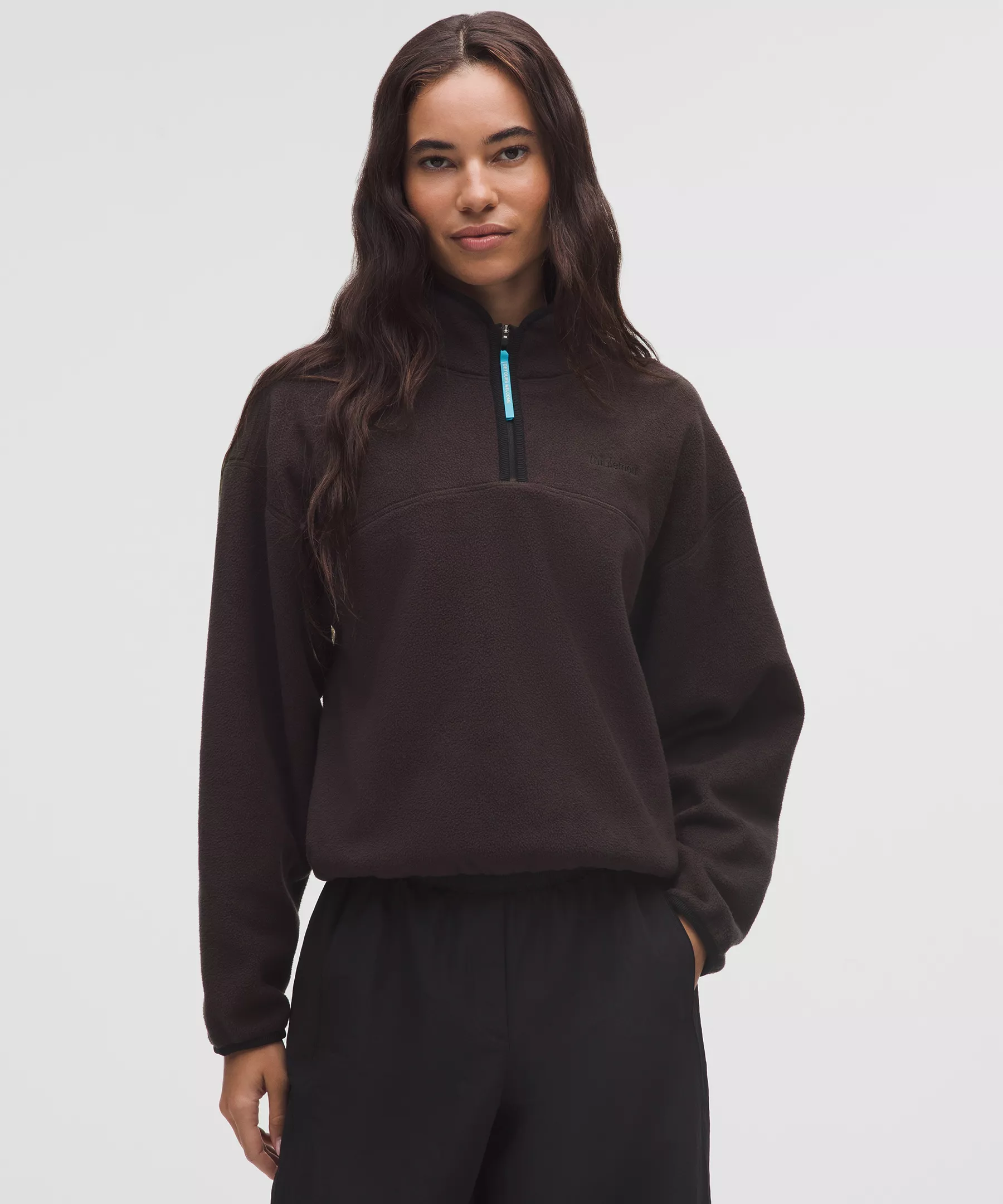
💬 As a manufacturer, I can tell you — few brands have evolved from niche to mainstream while keeping product quality consistent.
2. How Lululemon Defined the “Athleisure” Movement
Lululemon practically invented the term “athleisure.”
Their designs weren’t just for workouts — they looked stylish enough for daily life.
| Feature | Description |
|---|---|
| Fit | Flattering, body-contoured silhouettes |
| Fabric | Soft, breathable, and durable |
| Function | Suitable for both yoga and everyday wear |
🧘♀️ The brand blurred the line between performance and lifestyle — turning leggings into an everyday essential.
3. The Role of Community and Culture
Instead of relying on ads, Lululemon built a grassroots community through:
- Local yoga classes and ambassador programs
- In-store events and workshops
- Brand values focused on mindfulness and wellness
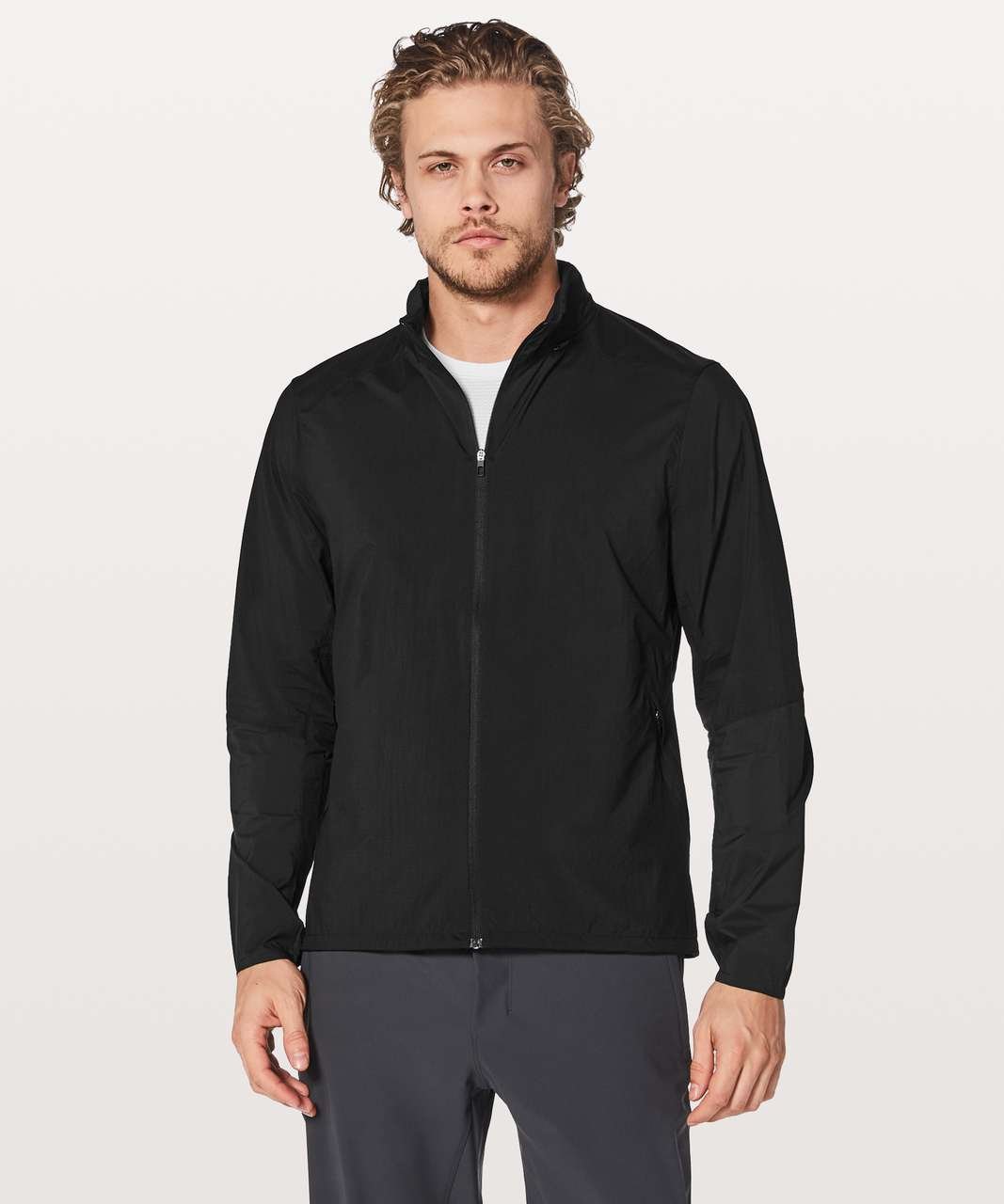
💬 This “community-first” approach created trust and belonging — something money can’t buy.
4. Lululemon’s Product and Fabric Innovation
Lululemon’s success also comes from its obsession with fabric technology.
| Fabric | Key Feature | Common Use |
|---|---|---|
| Nulu™ | Buttery-soft comfort | Align leggings |
| Luxtreme™ | Sweat-wicking & compressive | Fast and Free series |
| Everlux™ | Quick-drying & cool to touch | Hot yoga apparel |
| Warpstreme™ | Wrinkle-resistant | ABC pants |
🧵 These innovations are what turned customers into lifelong fans — not just buyers.
5. Marketing Without Traditional Advertising
Unlike competitors, Lululemon doesn’t rely on celebrity endorsements or heavy ad campaigns.
Its strategy focuses on word-of-mouth and brand experience.
- Relies on local ambassadors (trainers, yogis, coaches).
- Uses social media storytelling over direct promotion.
- Focuses on authenticity and customer lifestyle alignment.
📈 The result? A brand that feels organic and aspirational — not corporate.
6. Why Consumers Identify Emotionally with Lululemon
Lululemon doesn’t just sell clothing — it sells a mindset.
Its stores, packaging, and tone all reinforce a message of balance, empowerment, and mindfulness.
| Emotional Factor | Brand Strategy |
|---|---|
| Self-care | Aligns with yoga & mental health culture |
| Confidence | Tailored fits enhance body positivity |
| Achievement | Links fitness with personal growth |
💬 Consumers wear Lululemon not just to look good, but to feel aligned with a lifestyle.
7. How It Compares to Other Activewear Brands
| Brand | Core Identity | Main Appeal |
|---|---|---|
| Lululemon | Wellness + Luxury | Emotional lifestyle connection |
| Nike | Performance + Innovation | Sports authority |
| Alo Yoga | Style + Social Media | Trend-driven fashion |
| FuKi Gymwear | OEM/ODM Manufacturing | Custom design for fitness brands |
🔥 Lululemon’s difference? It became a “status brand” while maintaining authenticity.
8. What Startups Can Learn from Lululemon’s Journey
Here’s what fitness and fashion startups can take away:
- Start niche, then expand. Build authority in one segment first.
- Prioritize material quality. Customers remember comfort more than marketing.
- Create community value. Don’t just sell — inspire.
- Build lifestyle storytelling. Help your audience see themselves in your brand.
💬 At FuKi Gymwear, we apply these lessons to help new brands find their voice — and their loyal followers.
9. FAQs
Q1. Is Lululemon still focused on yoga?
Not exclusively — it now covers training, running, and even office wear.
Q2. What makes Lululemon a lifestyle brand, not just activewear?
Its emotional branding, everyday wearability, and consistent community presence.
Q3. How did social media impact Lululemon’s growth?
User-generated content and influencers helped make it aspirational yet relatable.
Q4. Are there similar lifestyle brands for startups?
Yes — brands like Alo Yoga and emerging OEM labels such as FuKi Gymwear are following the same path.
10. About FuKi Gymwear – Custom Activewear Manufacturer
At FuKiGymwear.com, we help fitness and fashion startups create high-quality, lifestyle-driven activewear inspired by top brands like Lululemon.
Our Services Include:
- OEM & ODM production (Low MOQ 100 pcs)
- Custom fabrics: recycled nylon, buttery-soft spandex, seamless knits
- Private labeling & logo design
- Sampling in 7–10 days, bulk in 25–35 days
- Certified ethical factories: OEKO-TEX® & BSCI
💬 If you want to turn your activewear line into a lifestyle brand — we can help make it happen.
👉 Ready to start your own activewear brand?
Visit FuKiGymwear.com and bring your lifestyle vision to life.

