
Gymshark’s journey from a garage-born startup in the UK to a global fitness powerhouse is one of the most inspiring stories in activewear.
Built by young entrepreneurs who understood social media better than traditional retailers, Gymshark reshaped how fitness brands grow — community first, product second.
As someone who has worked with OEM sportswear manufacturers, I’ve studied Gymshark’s scaling strategy and how it revolutionized the fitness apparel market through digital influence, fast design cycles, and authentic storytelling.
Let’s explore how Gymshark went from sewing hoodies in a garage to building a billion-dollar brand — and what lessons you can apply to your own label.
Table of Contents
- Quick Answer
- 1. The Startup Origins of Gymshark
- 2. The Power of Influencer Marketing
- 3. Product Strategy: Design, Fit & Feedback
- 4. Global Scaling and Brand Identity
- 5. Lessons for New Fitness Apparel Brands
- FAQs
- Partnering with FuKi Gymwear to Build Your Own Brand
Quick Answer
✅ Gymshark scaled globally by combining influencer-driven marketing, direct-to-consumer sales, and agile product development.
Instead of traditional retail, they focused on building a digital fitness community that became loyal to the brand before it became mainstream.
💬 From my OEM experience, Gymshark’s rapid rise proves that authenticity and fast production cycles can outperform expensive advertising.
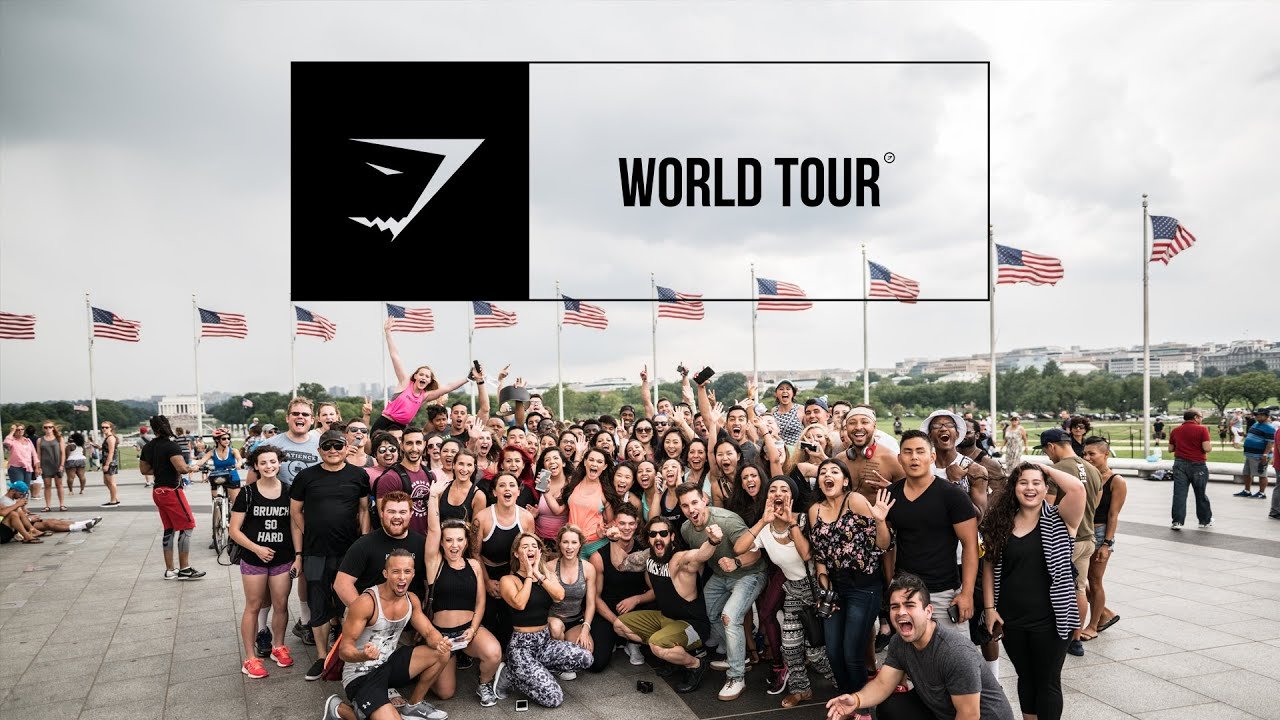
1. The Startup Origins of Gymshark
Gymshark started in 2012, founded by Ben Francis and friends who were gym enthusiasts and YouTube creators.
With limited funds, they began by sewing custom gym hoodies and stringer vests in their garage.
| Year | Milestone | Highlight |
|---|---|---|
| 2012 | Founded in UK | Started as a screen-printing project |
| 2013 | Fitness expos | Viral exposure through athlete meetups |
| 2014–2016 | Social media growth | Influencer collaborations fueled awareness |
| 2018 | Reached $100M+ in sales | Expanded globally via eCommerce |
| 2020–2023 | Billion-dollar valuation | Partnerships, ambassadors, and new markets |
💬 Their early DIY approach gave Gymshark authenticity — it wasn’t just selling clothes; it was built by gym-goers for gym-goers.
2. The Power of Influencer Marketing
Gymshark was one of the first brands to fully embrace fitness influencers as marketing engines.
| Strategy | Description | Result |
|---|---|---|
| YouTube Fitness Community | Sponsored rising creators (e.g., Lex Griffin, Nikki Blackketter) | Built social proof |
| Authentic storytelling | Focused on motivation and progress | Built emotional trust |
| Event marketing | “Gymshark pop-ups” became brand festivals | Strengthened loyalty |
| Social-first strategy | Instagram and TikTok product drops | Viral launches |
💬 Rather than using models, Gymshark used real athletes and fans — creating a tribe instead of an audience.
3. Product Strategy: Design, Fit & Feedback
Gymshark’s success wasn’t just marketing — it was iteration speed.
| Element | Approach | Impact |
|---|---|---|
| Data-driven design | Used influencer and customer feedback | Faster improvements |
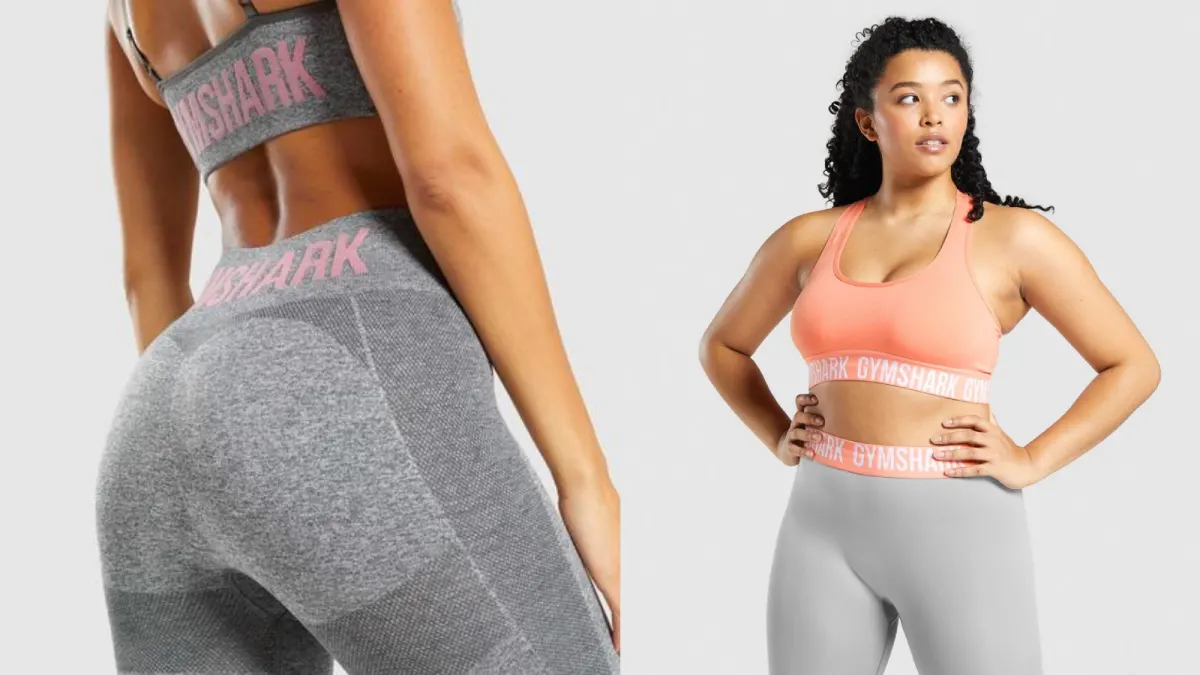
| Tapered fits | Flattering, athletic silhouettes | Became a signature look |
| In-house production | Early prototypes made by founders | Improved fabric control |
| Affordable pricing | Premium look, mid-range price | Accessible to young consumers |
| Limited drops | Creates urgency | Builds hype around new releases |
💬 Their “build–test–repeat” model mirrors how modern OEM brands like FuKi Gymwear help startups launch fast without losing quality.
4. Global Scaling and Brand Identity
Gymshark didn’t just sell fitness apparel — it sold belonging.
| Phase | Focus | Execution |
|---|---|---|
| Early years | Community | YouTube & expos |
| Growth stage | eCommerce | Direct-to-consumer focus |
| Brand maturity | Global identity | Unified tone & visuals |
| Future vision | Performance innovation | High-tech training wear |
💬 They maintained a consistent aesthetic — minimal, confident, community-driven — across all products and campaigns.
5. Lessons for New Fitness Apparel Brands
✅ 1. Build community first: Don’t sell — connect.
✅ 2. Use influencer insights: Authentic creators > big names.
✅ 3. Iterate fast: Keep design cycles short and responsive.
✅ 4. Balance aspiration with accessibility: Gymshark stayed premium-feel but affordable.
✅ 5. Partner with the right OEM: Reliable suppliers make scaling smooth.
💬 At FuKi Gymwear, we help new brands scale globally by combining agile production with premium fabrics and flexible MOQs.
FAQs
Q1: How did Gymshark grow so fast?
By leveraging social media, influencers, and direct consumer relationships — not traditional ads.
Q2: Does Gymshark manufacture its own clothes?
It started small-scale but now works with multiple OEMs for scalable production.
Q3: What is Gymshark’s main product focus?
Form-fitting, minimalist gymwear designed for real athletes and everyday users.
Q4: Can smaller brands follow Gymshark’s model?
Yes — with FuKi Gymwear, brands can replicate this agile model with low-MOQ, private-label production.
Partnering with FuKi Gymwear to Build Your Own Brand
If Gymshark’s rise inspires you,
👉 FuKi Gymwear can help you turn your vision into a scalable fitness brand.
Why work with us:
- 🧵 Custom OEM/ODM services for gymwear & athleisure.
- 🌿 Sustainable fabrics — RPET, nylon-spandex, brushed blends.
- ⚙️ Low MOQ production for startups.
- 🌍 Global delivery & ethical manufacturing.
💬 Your fitness brand deserves a partner that understands both fashion and function — that’s what FuKi Gymwear delivers.

