
When people talk about modern fitness brands, Gymshark is always part of the conversation.
Started in a garage by a 19-year-old student in the UK, it’s now a global powerhouse with millions of loyal fans and a billion-dollar valuation.
As someone who’s worked closely with apparel factories and private-label brands, I’ve seen many startups try to follow Gymshark’s path — but few understand how it scaled so fast.
Let’s break down the real reasons Gymshark grew from a startup to a global phenomenon, and what lessons OEMs and activewear brands can take from it.
Table of Contents
- The Humble Beginning of Gymshark
- How Product Differentiation Sparked Growth
- Influencer Marketing Before It Was Mainstream
- Community Building: Not Just Selling, Belonging
- Smart Supply Chain & Manufacturing Choices
- Comparison: Gymshark vs Traditional Activewear Brands
- Key Takeaways for New Activewear Brands
- FAQs
- About FuKi Gymwear – OEM Partner for Emerging Brands
1. The Humble Beginning of Gymshark
Gymshark started in 2012, when founder Ben Francis began printing T-shirts in his parents’ garage.
He was a gym enthusiast who couldn’t find stylish, fitted gym wear that represented his lifestyle — so he made his own.
Early moves that set the foundation:
- Custom-fit designs that highlighted physiques (instead of hiding them).
- Simple, direct-to-consumer website built on Shopify.
- Personal involvement in every order, email, and photoshoot.

💡 Lesson: Great brands don’t start big — they start by solving a personal pain point with authenticity.
2. How Product Differentiation Sparked Growth
At the time, most gym clothes were baggy, generic, and performance-first but uninspired.
Gymshark changed that by combining style + performance, giving rise to the “aesthetic fitness” trend.
Key differentiators:
- Slim-fit, stretch-based designs made for young gym-goers.
- Use of compression fabrics usually reserved for pro athletes.
- Affordable pricing that undercut Nike and Under Armour.
🧵 This design-first thinking — paired with accessibility — became Gymshark’s core brand advantage.
3. Influencer Marketing Before It Was Mainstream
One of Gymshark’s biggest growth levers was early influencer marketing — before most brands even understood it.
Instead of paying celebrities, they collaborated with real fitness YouTubers and Instagram athletes.
Famous partnerships included:
- Steve Cook, Whitney Simmons, and David Laid
- Sponsored athlete program with long-term contracts
- Viral fitness expo appearances and community meetups
📱 Gymshark didn’t just sell clothes — it sold a lifestyle that creators wanted to represent.
4. Community Building: Not Just Selling, Belonging
Gymshark’s marketing focused on community identity, not just sales.
They built a tribe of fitness enthusiasts who felt emotionally connected to the brand.
How they did it:
- Consistent storytelling on social media (discipline, transformation, empowerment).
- Pop-up events in major cities — letting fans meet creators.
- A tone of voice that sounded peer-to-peer, not corporate.
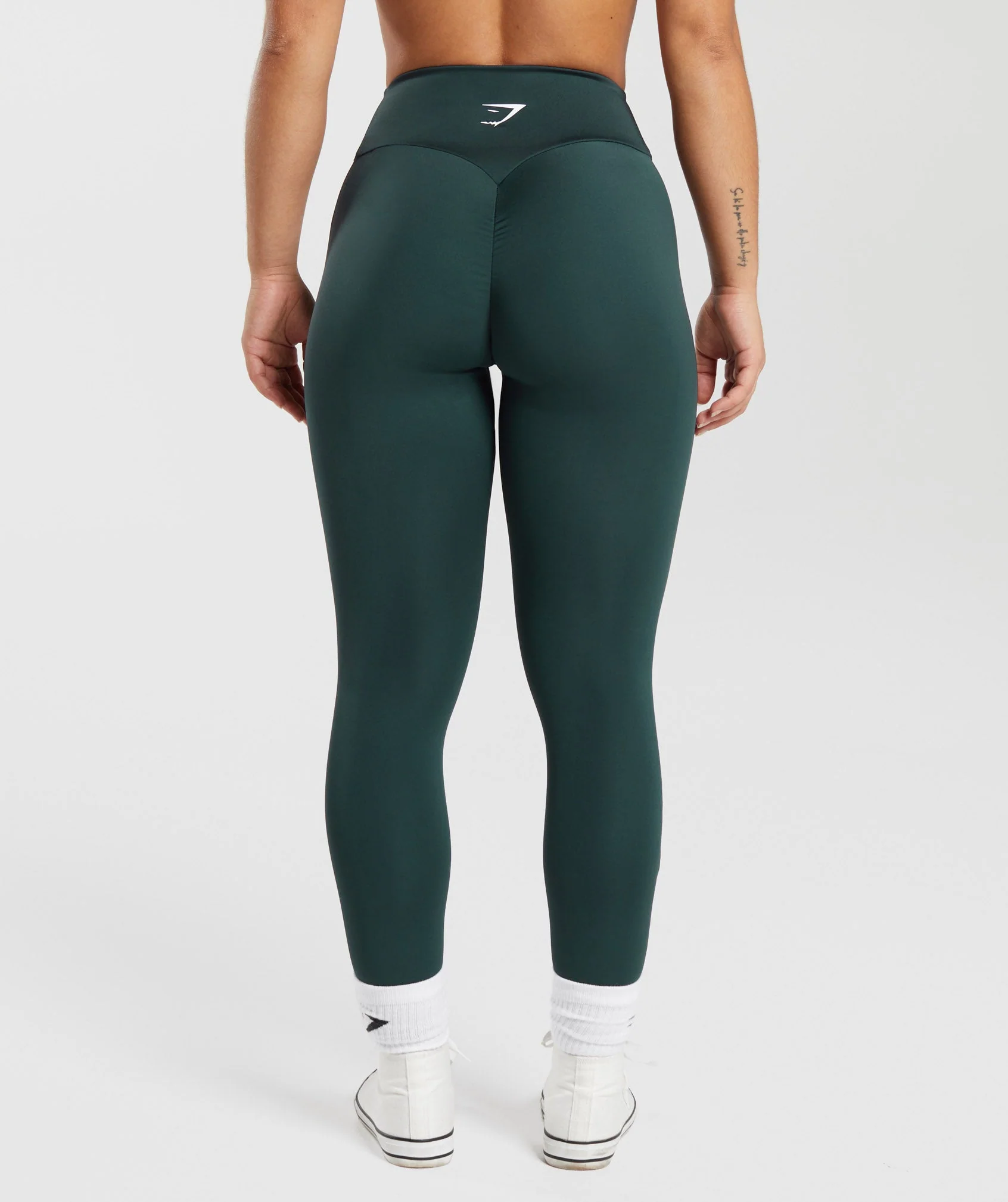
🏋️ The result: higher customer lifetime value and massive organic growth.
5. Smart Supply Chain & Manufacturing Choices
Behind the brand’s marketing success was a nimble supply chain strategy.
- Started with small-batch OEM partners for flexibility.
- Prioritized speed over cost, producing in Asia and Turkey.
- Used digital sampling and data-driven inventory systems.
- Shifted toward private manufacturing partnerships as scale grew.
⚙️ Gymshark’s lean production model allowed rapid iteration without overstock risk — a key to its agility.
6. Comparison: Gymshark vs Traditional Activewear Brands
| Factor | Gymshark | Traditional Brands |
|---|---|---|
| Product Focus | Style + function for everyday athletes | Technical performance |
| Marketing | Influencer-first, digital community | TV ads, sponsorships |
| Supply Chain | Small batch, fast iteration | Large-scale, slower |
| Customer Base | Young, social-driven fitness fans | Broad, general |
| Pricing | Mid-tier affordable | Premium or mass-market |
📊 Gymshark scaled because it built modern speed into every layer — from marketing to manufacturing.
7. Key Takeaways for New Activewear Brands
If you’re building a fitness or lifestyle brand, here’s what Gymshark’s journey teaches us:
- Start niche. Focus on one category or audience (e.g., men’s fitted gym wear).
- Be visual-first. Photos, reels, and ambassadors speak louder than ads.
- Use small-batch OEM partners to avoid risk and stay flexible.
- Engage, don’t advertise. Build an audience that believes in your values.
- Iterate fast. Update designs and fabrics based on community feedback.
At FuKi Gymwear, we help new brands do exactly that — offering low-MOQ production, custom fabrics, and OEM/ODM support to bring their first collection to life.
8. FAQs
Q1: How did Gymshark fund its early growth?
Mostly through reinvested profits — they stayed independent and self-funded for years before any external investment.
Q2: What was Gymshark’s biggest turning point?
The 2015 shift to influencer-driven campaigns and pop-up events, which boosted both global awareness and brand loyalty.
Q3: Can small brands still follow Gymshark’s path today?
Absolutely — but you must focus on authentic storytelling, digital speed, and production partners that scale with you.
9. About FuKi Gymwear – OEM Partner for Emerging Brands
At FuKiGymwear.com, we specialize in helping startups and boutique fitness brands scale globally with professional manufacturing solutions.
Our services include:
- OEM & ODM production for gym, yoga, and athleisure lines
- Low MOQ (100 pcs) — ideal for growing brands
- Custom fabric development and design sampling
- Private labeling, printing, and packaging
- Fast global shipping with end-to-end QC
Explore more:

