
Gymshark is one of the most famous activewear success stories — a brand that started in a garage and eventually became a global fitness powerhouse.
From a part-time student business to a billion-dollar valuation, its rise wasn’t luck. It was the result of smart niche targeting, creator-led marketing, fast product innovation, and community-first branding.
Working closely with OEM activewear factories, I’ve seen many founders trying to replicate this model. In this article, I’ll break down Gymshark’s growth strategy in simple, beginner-friendly language — and share what new brands can learn.
Table of Contents
- Quick Answer
- 1. A Clear Niche: Serious Gym Athletes
- 2. Influencer Marketing Before It Went Mainstream
- 3. Product Design Built Around Training Needs
- 4. Community Identity Over Traditional Advertising
- 5. Lean, Direct-to-Consumer Operations
- 6. Lessons New Activewear Brands Can Apply
- FAQs
- Partnering With FuKi Gymwear
Quick Answer
Gymshark grew by focusing on one underserved community (gym athletes), using early influencer partnerships, releasing performance-enhancing designs, building a loyal fitness culture, and running a lean DTC operation that allowed rapid iteration.
💬 From my OEM experience:
Brands that pick a clear niche and listen closely to their audience always grow faster than brands targeting “everyone.”
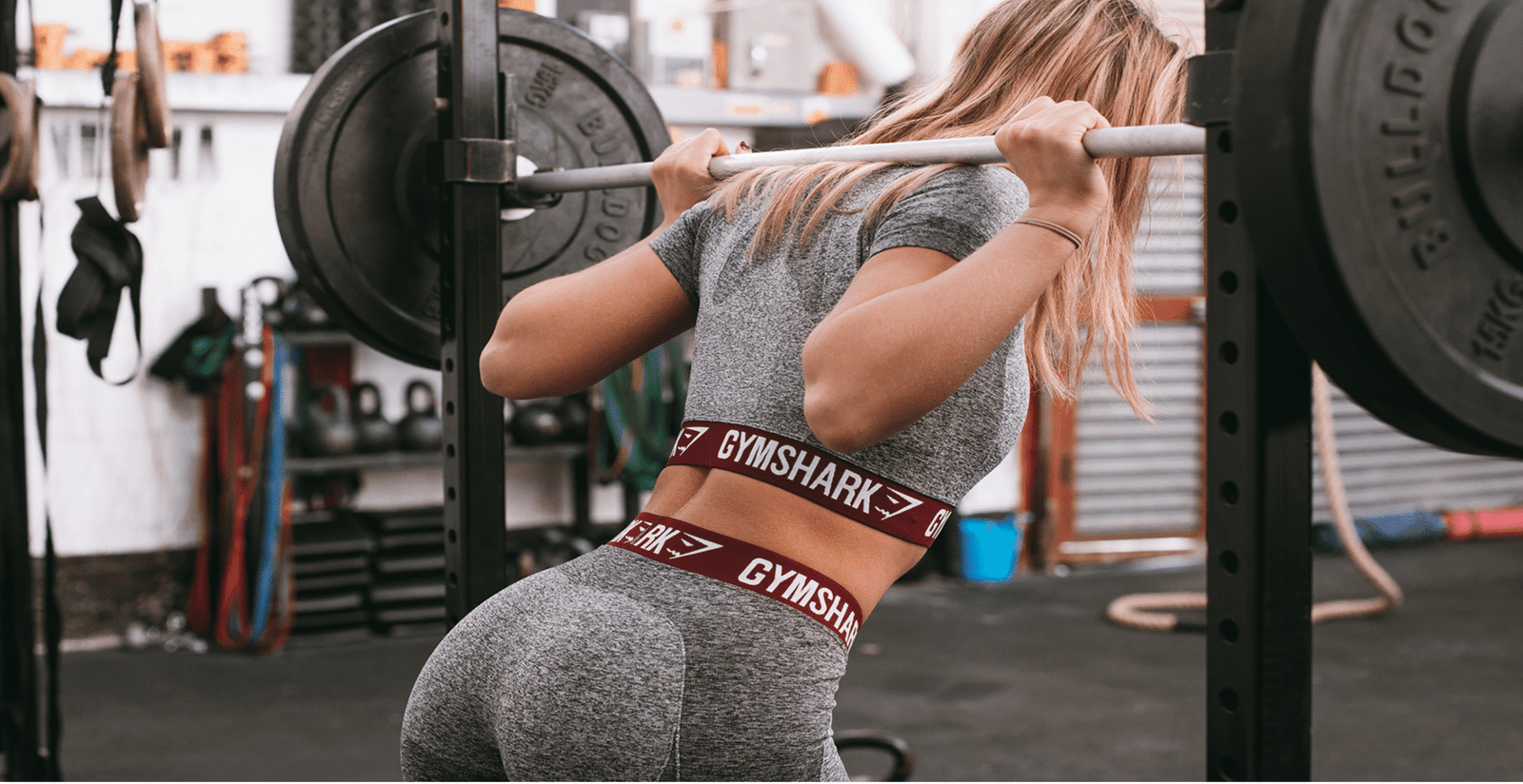
1. A Clear Niche: Serious Gym Athletes
When Gymshark launched, most activewear brands were focused on:
- running
- yoga
- general sports
But nobody was designing specifically for weightlifters and physique athletes.
Why this niche was powerful
- Tight-knit online communities already existed
- Gym athletes wanted apparel that highlighted physique
- Big brands ignored this group
- Product needs were very specific
- Athletes created and consumed training content daily
OEM Insight
Most new brands fail because they target too broadly.
Gymshark won because it started with one precise group and solved their exact needs.
2. Influencer Marketing Before It Went Mainstream
One of Gymshark’s biggest early advantages was discovering influencers before influencer marketing was an industry.
Their approach:
- Seek out small but passionate fitness creators
- Send them free products
- Let athletes share honest training footage
- Build long-term creator partnerships
Why it worked
- Influencers felt valued
- Audiences trusted authentic recommendations
- Training videos naturally showcased apparel performance
This created a network effect that traditional brands were too slow to adopt.
Comparison Table: Traditional Brands vs. Gymshark
| Traditional Brands | Gymshark |
|---|---|
| Celebrity endorsements | Micro-influencers & YouTubers |
| Expensive studio shoots | In-gym training content |
| Retail-first | 100% direct-to-consumer |
| Slow trend adoption | Fast, creator-driven feedback |
3. Product Design Built Around Training Needs
Gymshark didn’t just make nice-looking clothing — they designed for serious gym performance.
Key product features:
- Seamless knits to avoid chafing
- Compression to support muscle engagement
- Contouring panels for physique enhancement
- High-stretch fabrics for deep movements
- Sweat-resistant and squat-proof yarns
Why this mattered
Gym athletes care deeply about:
- fit
- stretch
- durability under friction
- performance in compound lifts
💬 From the manufacturing side:
Gymshark’s seamless collections required special machinery, which gave them a product advantage most new brands couldn’t replicate early on.
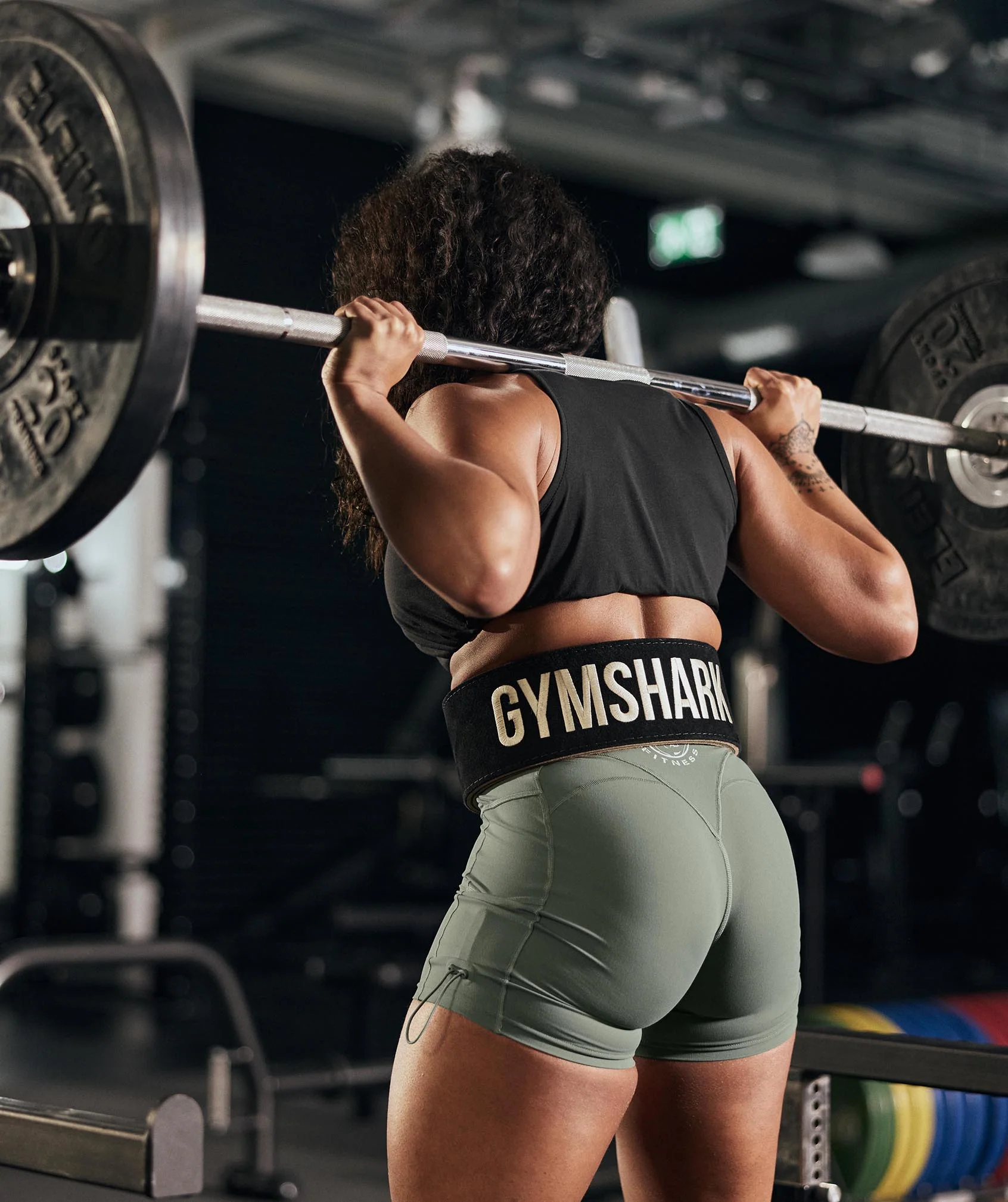
4. Community Identity Over Traditional Advertising
Gymshark built a culture, not just a catalog.
Community-building methods:
- Gymshark expos (huge athlete meet-ups)
- Transformation stories
- Athlete-led content
- Values: discipline, improvement, confidence
- Emotional messaging instead of product-focused ads
This gave Gymshark brand loyalty competitors couldn’t copy.
People didn’t just wear Gymshark —
they identified with it.
5. Lean, Direct-to-Consumer Operations
Gymshark didn’t spend money on stores or huge inventory.
They stayed lean.
Advantages of the DTC model:
- Higher profit margins
- Direct customer feedback
- Faster design changes
- Controlled brand experience
- No retail markups
Operational strengths:
- Small, focused collections
- Quick sampling cycles
- Responsive supply chain
- Constant reinvestment into product and creators
💬 This lean approach allowed them to scale without major risk.
6. Lessons New Activewear Brands Can Apply
Here are the most practical takeaways for new brands:
✔ Lesson 1: Start with one hyper-specific niche
Examples:
- powerlifters
- runners
- hot yoga
- plus-size athletes
- men’s athleisure
Clarity drives momentum.
✔ Lesson 2: Use creator partnerships early
Start with:
- micro-influencers
- gym trainers
- local athletes
- transformation creators
You don’t need 1M followers — you need authenticity.
✔ Lesson 3: Fix real performance problems
Focus on:
- fit accuracy
- squat-proof durability
- sweat management
- mobility under load
Performance wins long-term loyalty.
✔ Lesson 4: Build community
Share:
- brand story
- customer journeys
- behind-the-scenes manufacturing
- athlete collaborations
People follow people — not logos.
✔ Lesson 5: Keep operations lean
Start small.
Test. Improve.
Let demand guide expansion.
FAQs
Q1: Was Gymshark successful only because of influencers?
No — product quality and niche targeting were equally crucial.
Q2: Can new brands still use Gymshark’s strategy?
Yes. Creator-led growth is still powerful, especially with micro-influencers.
Q3: How big should a new brand’s first collection be?
4–8 high-quality SKUs are plenty for launch.
Q4: Do you need seamless machinery to succeed?
Not necessarily — focus on fit, fabric, and niche before complex technology.
Partnering With FuKi Gymwear
If you want to build an activewear brand with Gymshark-style momentum, choosing the right manufacturing partner matters.
👉 FuKi Gymwear can support you with:
- High-performance seamless & compression products
- Contouring, sculpting, and training-ready fabrics
- Fast development cycles for small teams
- Low MOQ for startups
- Fit, durability, and squat-proof testing
💬 Big brands grow through clarity and product excellence — and we help founders achieve both.

