
Gymshark didn’t just build a product line — it built a movement in the fitness world.
Instead of relying on traditional advertising, Gymshark grew by creating a community-first identity, where customers felt like participants, not buyers.
As someone who works closely with activewear OEM brands, I often hear founders ask:
“How did Gymshark create such strong loyalty — and how can new brands follow the same path?”
This article explains Gymshark’s community-driven strategy in simple, beginner-friendly language.
Table of Contents
- Quick Answer
- 1. Gymshark Turned Customers Into Active Participants
- 2. Offline Events Strengthened Real-World Connection
- 3. User-Generated Content Became Their Growth Engine
- 4. Shared Identity Replaced Traditional Branding
- 5. What New Activewear Brands Can Learn
- FAQs
- Partnering With FuKi Gymwear
Quick Answer
Gymshark built a community-driven brand by involving customers in the culture, hosting real-world fitness events, encouraging user-generated content, and creating a shared identity instead of pushing traditional marketing.
💬 From my OEM experience:
Brands grow faster when customers feel like they belong, not when they’re just being sold to.
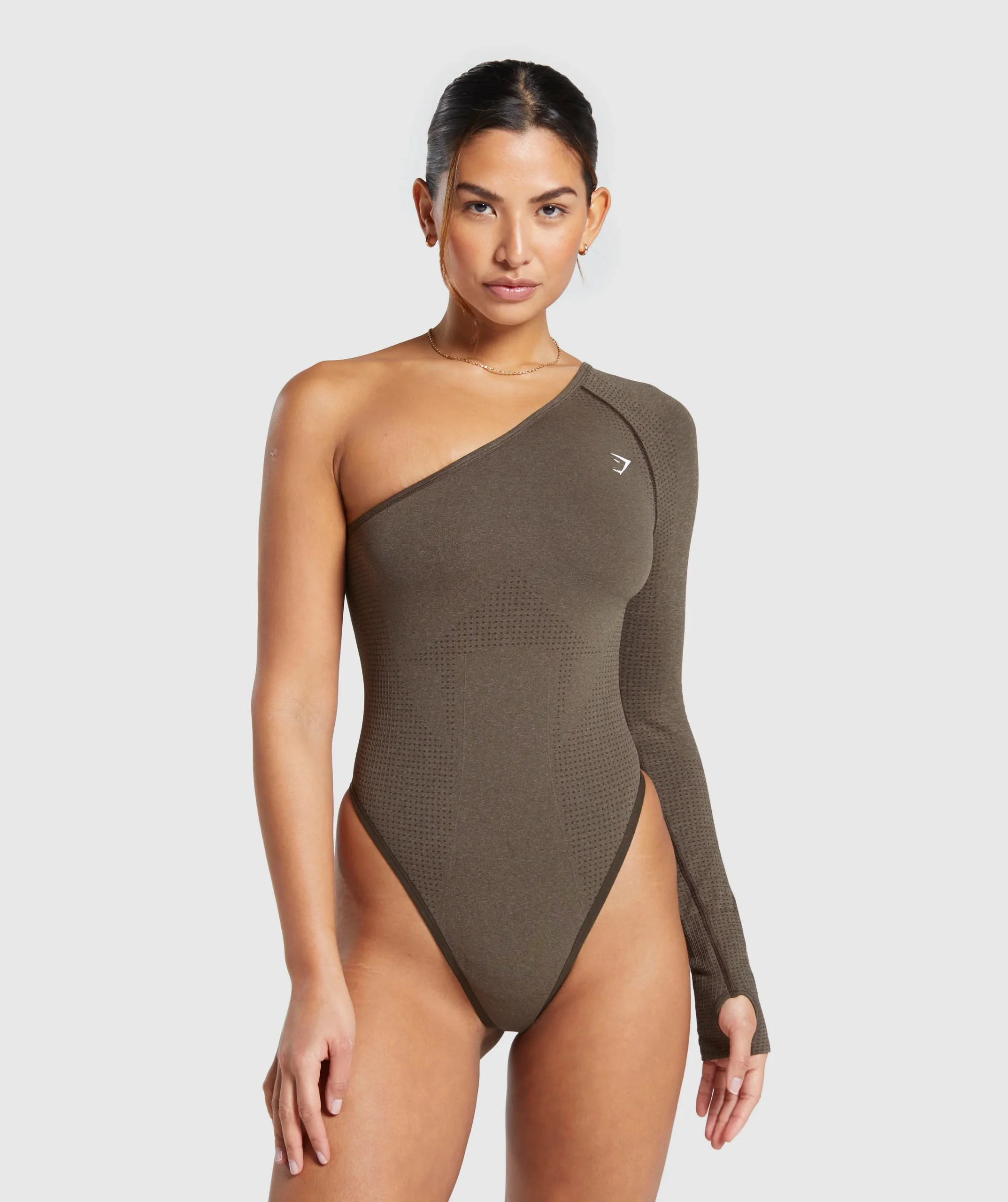
1. Gymshark Turned Customers Into Active Participants
Gymshark didn’t treat people as buyers — it treated them as contributors.
What Gymshark encouraged:
- progress-sharing posts
- gym transformation journeys
- personal fitness storytelling
- community hashtags
- repostable content moments
Why this worked
People felt seen, not marketed to.
OEM Insight
Participation builds loyalty faster than discounting — especially in fitness culture.
2. Offline Events Strengthened Real-World Connection
Gymshark didn’t stay online — it met its audience in person.
Key community activations:
- Gymshark pop-up tours
- athlete meet-and-greets
- training-focused expos
- live workout sessions
- regional fan gatherings
These events created:
- emotional attachment
- high-trust engagement
- social proof at scale
💬 Fitness is physical — Gymshark brought the brand into real life.
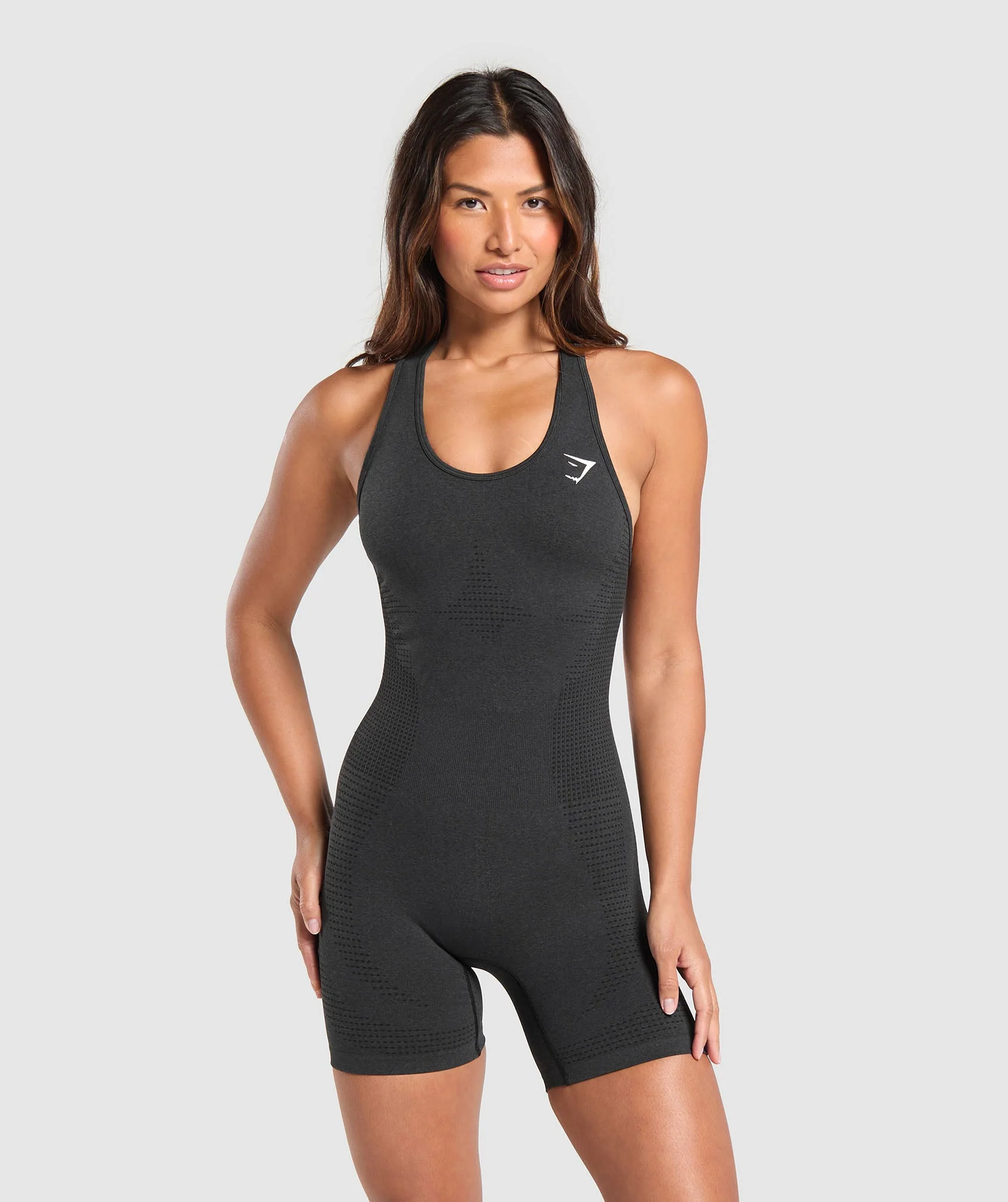
3. User-Generated Content Became Their Growth Engine
Instead of polished ads, Gymshark amplified community voice.
Types of UGC that drove growth:
- mirror selfies
- PR attempt videos
- weight-loss journeys
- personal milestones
- gym humor and relatable moments
Why UGC works better than ads
It feels:
- real
- achievable
- relatable
- community-approved
Compared to traditional marketing:
| Traditional Approach | Gymshark Approach |
|---|---|
| Brand talks about itself | Community talks for the brand |
| Studio photo shoots | Real gym content |
| Polished athletes | Authentic creators |
| One-way messaging | Two-way participation |
UGC made customers feel like insiders, not outsiders.
4. Shared Identity Replaced Traditional Branding
Gymshark didn’t just sell clothing — it sold identity.
Core emotional drivers:
- discipline
- self-improvement
- confidence
- belonging
- motivation
How Gymshark reinforced this:
- minimal logo dominance
- value-driven messaging
- storytelling over selling
- spotlighting everyday athletes
💬 Gen Z and young gym-goers don’t want a brand to follow — they want a community to join.
5. What New Activewear Brands Can Learn
Here are practical lessons for community-focused growth:
✔ Lesson 1: Build with your audience, not for them
Ask for:
- product feedback
- fit preferences
- color votes
- design polls
People support what they help shape.
✔ Lesson 2: Create shareable product moments
Focus on designs that:
- photograph well
- highlight physique
- fit gym lighting
- match trending colors
Camera-ready apparel becomes free marketing.
✔ Lesson 3: Host micro-community touchpoints
You don’t need huge events — start with:
- small gym meetups
- trainer partnerships
- local pop-ups
- virtual challenges
Consistency matters more than scale.
✔ Lesson 4: Amplify real customer stories
Share:
- progress posts
- first-time achievements
- transformation journeys
Authenticity builds trust faster than ads.
✔ Lesson 5: Sell identity, not just apparel
Ask:
- “What does my brand stand for?”
Not just: - “What products do we sell?”
Community forms around meaning — not merchandise.
FAQs
Q1: Did Gymshark’s community grow because of influencers?
Influencers helped, but the real engine was participation and belonging.
Q2: Do you need a big budget to build a community?
No — consistency and authenticity matter more than spending.
Q3: Can small brands compete using this model?
Absolutely. Community is not size-dependent.
Q4: Is community more important than product?
You need both — but community is what keeps customers coming back.
Partnering With FuKi Gymwear
If you want to build an activewear brand with strong community traction — the way Gymshark did — you need products that people feel confident sharing.
👉 FuKi Gymwear supports brands with:
- Contour-shaping seamless fabrics
- Camera-ready performance sets
- Low-MOQ category launches
- Fast sampling for rapid feedback cycles
- Support for influencer-driven collections
💬 Community grows fastest when the product inspires pride — and we help brands create apparel worth talking about.

