
If you're starting a fitness apparel brand, understanding the gym wear production process is essential.
From my experience working with fitness brands, many beginners underestimate how many steps are involved before a product is ready for sale.
👉 Production is not just manufacturing — it includes:
- fabric sourcing
- sampling
- fit testing
- quality control
In this guide, I’ll break down the full process in a simple, practical way.
Table of Contents
- Quick Answer
- What Is Gym Wear Production?
- Step-by-Step Production Process
- Timeline Overview
- Key Factors That Affect Production
- Common Challenges for New Brands
- How to Work with a Manufacturer
- FAQ
- Conclusion
Quick Answer
The gym wear production process includes:
- product design
- fabric sourcing
- sampling
- fit testing
- bulk production
- quality control
👉 These steps ensure products meet both performance and branding standards.
What Is Gym Wear Production?
Gym wear production is the complete process of turning a product idea into a finished garment.
It includes:
- product development
- fabric selection
- pattern creation
- manufacturing
- quality inspection
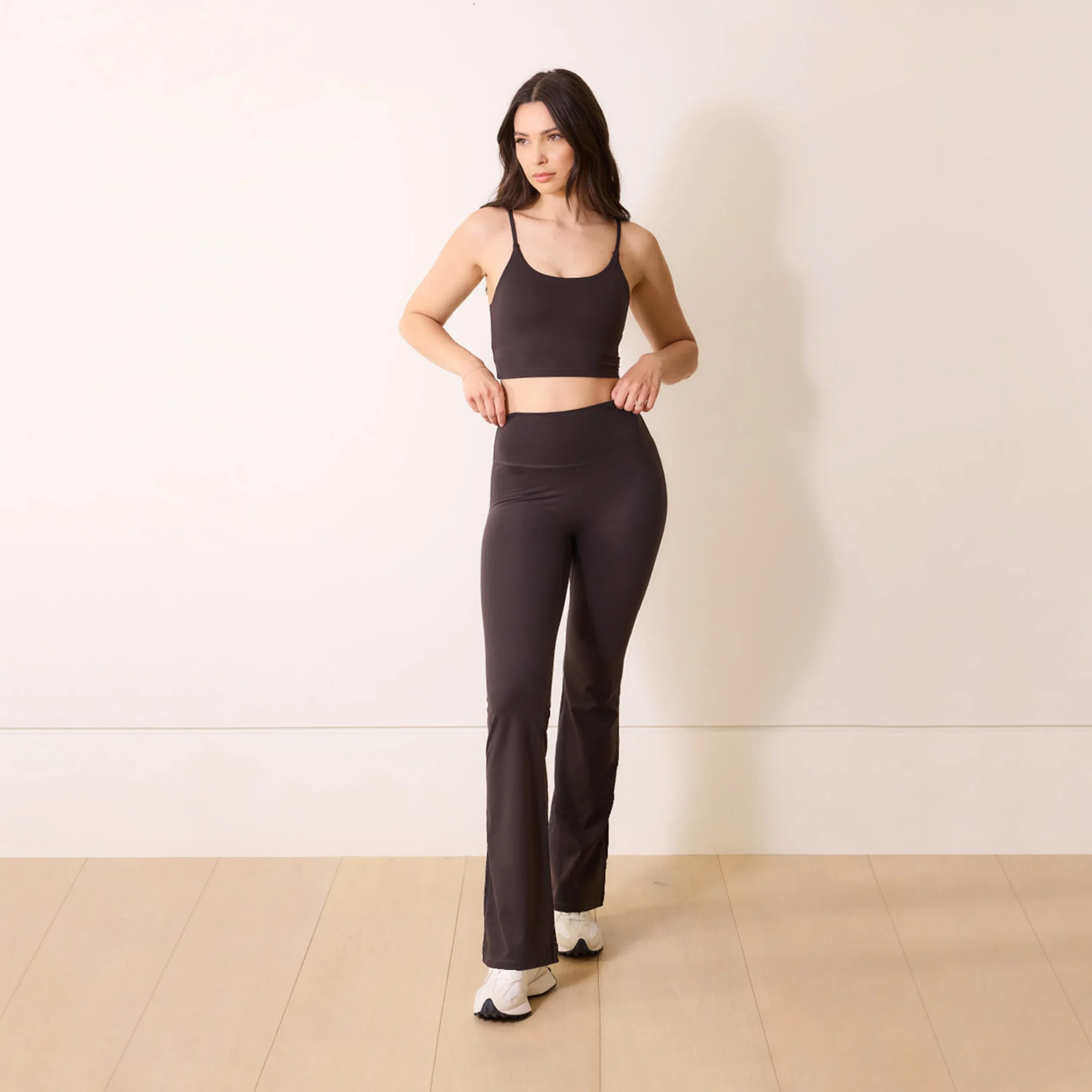
Major brands like Nike use structured production systems to maintain global consistency.
👉 Related reading:
OEM Gym Wear Manufacturer: From Design to Production
Step-by-Step Production Process
1. Product Design
Brands define:
- product concept
- target audience
- functional requirements
2. Fabric Sourcing
Choosing the right fabric determines performance.
Common fabrics:
- polyester blends
- nylon blends
- spandex fabrics
3. Tech Pack Creation
A tech pack includes:
- measurements
- materials
- construction details
- logo placement
4. Sample Development
Manufacturers create initial samples.
👉 From experience:
This is the most critical stage.
5. Fit Testing and Revisions
Brands test:
- fit
- comfort
- durability
Adjustments are made before production.
6. Bulk Production
Once approved, mass production begins.
👉 👉 FuKi Gymwear supports full production from sampling to bulk.
7. Quality Control and Shipment
Final checks include:
- stitching quality
- size consistency
- branding accuracy
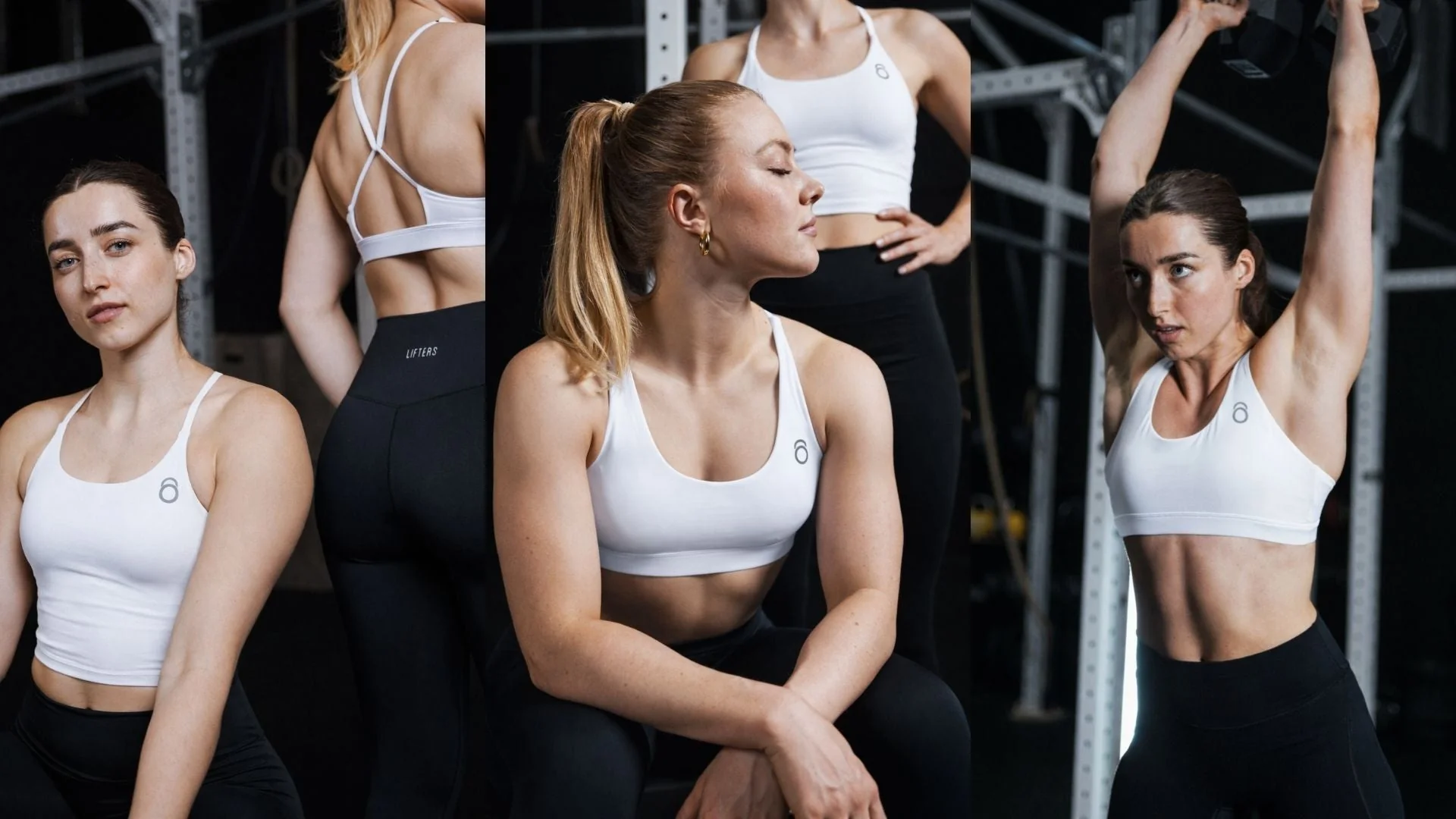
Products are then shipped.
Timeline Overview
Understanding timelines helps plan your launch.
Typical Production Timeline:
| Stage | Time |
|---|---|
| Design & Tech Pack | 1–2 weeks |
| Sampling | 2–3 weeks |
| Revisions | 1–2 weeks |
| Bulk Production | 3–5 weeks |
👉 Total: ~30–60 days
Key Factors That Affect Production
Several factors influence speed and quality.
Key Factors:
| Factor | Impact |
|---|---|
| Fabric availability | Delays or speed |
| Order quantity | Affects pricing |
| Design complexity | Impacts timeline |
| Communication | Impacts efficiency |
👉 According to Statista, activewear demand continues to grow, making efficient production essential.
Common Challenges for New Brands
From my experience, new brands often struggle with:
- unclear product specs
- unrealistic timelines
- poor supplier communication
- skipping sample testing
👉 Brands like Gymshark improved by refining their production systems over time.
How to Work with a Manufacturer
Choosing the right partner simplifies everything.
Best Practices:
- provide clear tech packs
- communicate expectations
- approve samples carefully
- plan realistic timelines
👉 👉 FuKi Gymwear helps brands:
- streamline development
- reduce production risk
- scale efficiently
FAQ
How long does production take?
Typically 30–60 days.
What is the most important stage?
Sampling and fit testing.
Can startups manage production easily?
Yes — with planning and the right partner.
Why is planning important?
It prevents delays, defects, and extra costs.
Conclusion
Understanding the gym wear production process is essential for building a successful brand.
👉 Successful brands focus on:
- clear product development
- structured production workflow
- strong manufacturer relationships
If you want to launch efficiently,
👉 FuKi Gymwear can help you:
- manage production end-to-end
- ensure product quality
- scale your brand globally
