
The global fitness apparel industry has expanded rapidly over the past decade, but in 2026 the market is entering a new stage of growth and competition.
From my experience working with apparel brands and manufacturers, I’ve seen how the demand for performance-driven clothing continues to rise. However, the brands that succeed today are not just selling gym clothes — they are building technical, versatile, and lifestyle-oriented products.
In this guide, we’ll explore how the fitness apparel market is growing, what is driving that growth, and what brands should focus on to stay competitive in 2026.
Table of Contents
- Quick Market Overview
- Why the Fitness Apparel Market Is Growing
- Key Industry Statistics for 2026
- Major Trends Driving Market Growth
- Consumer Expectations in 2026
- Opportunities for Emerging Fitness Brands
- Challenges Brands Must Prepare For
- Market Comparison: Past vs Present
- How to Position Your Brand for Growth
- FAQs
- Developing Fitness Apparel with Fuki Gymwear
Quick Market Overview
If you want the short summary:
The fitness apparel market continues to grow because of:
- increased health awareness
- rising participation in fitness activities
- athleisure becoming everyday fashion
- advancements in fabric technology
Industry analysts expect the global fitness apparel market to continue expanding through 2026 and beyond.
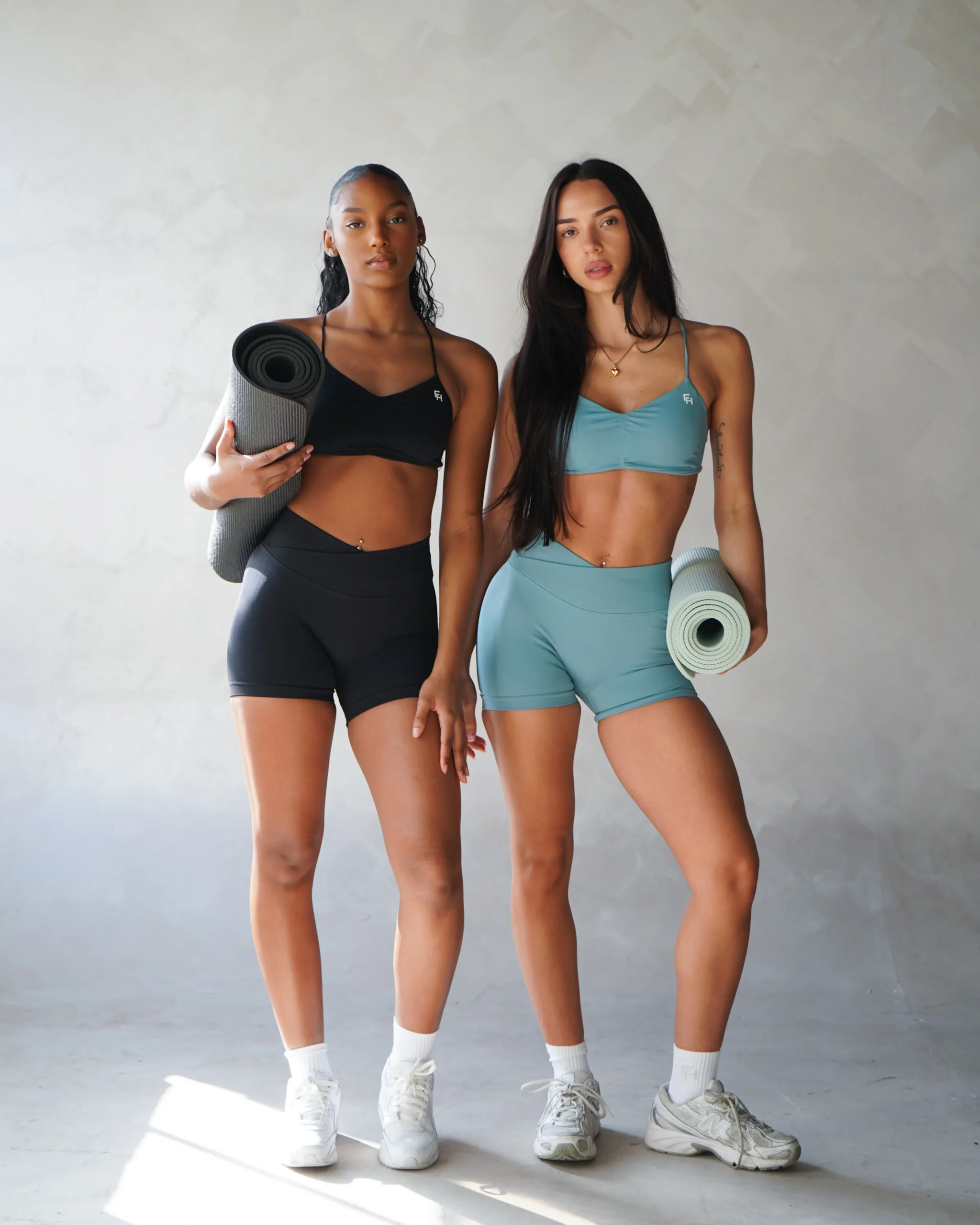
Organizations like Statista frequently report steady growth in the global sportswear sector.
Why the Fitness Apparel Market Is Growing
Several factors are driving the expansion of fitness apparel worldwide.
1. Global Health Awareness
More people are prioritizing fitness and wellness.
This naturally increases demand for workout clothing.
2. Athleisure Lifestyle
Gym clothing is no longer limited to workouts.
Brands like Nike and Lululemon helped turn activewear into everyday fashion.
3. Fabric Innovation
Modern fabrics provide:
- moisture-wicking performance
- stretch flexibility
- temperature regulation
These improvements make performance apparel more attractive to consumers.
4. Social Media Influence
Fitness influencers and content creators help popularize gym apparel brands.
This has accelerated market visibility.
Key Industry Statistics for 2026
While projections vary, most reports agree on several trends.
| Market Indicator | Observation |
|---|---|
| Global Demand | Continuing growth year over year |
| Consumer Focus | Performance + style |
| Fastest Growing Segment | Athleisure |
| Key Markets | US, Europe, Asia-Pacific |
Many emerging brands are entering the market, creating strong competition.
Major Trends Driving Market Growth
Performance-Based Apparel
Consumers increasingly prefer clothing designed specifically for workouts.
Sustainable Materials
Recycled fabrics and eco-conscious production are becoming essential.
Hybrid Gym-to-Street Clothing
Athletic clothing that works for both workouts and casual wear is becoming dominant.
Technology Integration
Smart fabrics and performance enhancements are improving apparel functionality.
Consumer Expectations in 2026
Consumers today expect more from fitness apparel brands.
Key expectations include:
- comfort and durability
- modern design
- functional performance
- sustainability
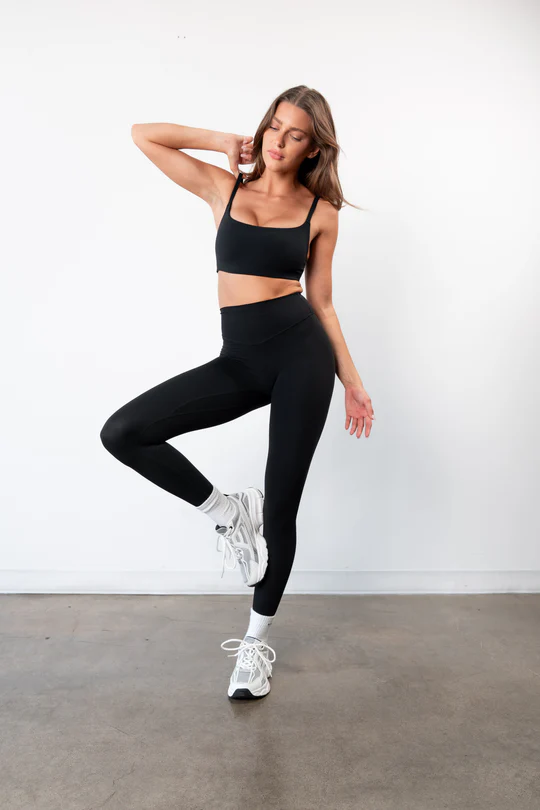
Brands that combine these elements are more likely to succeed.
Opportunities for Emerging Fitness Brands
Despite strong competition, there are many opportunities.
Niche Markets
Examples include:
- yoga apparel
- functional training wear
- sustainable gym clothing
Direct-to-Consumer Brands
Many new brands are growing quickly by selling directly online.
Custom Apparel Production
Private label production allows new brands to launch quickly with unique designs.
Challenges Brands Must Prepare For
However, the industry also presents challenges.
Common obstacles include:
- intense competition
- supply chain complexity
- rising production costs
- maintaining product quality
Strong manufacturing partnerships can help overcome these challenges.
Market Comparison: Past vs Present
| Factor | 2015 Market | 2026 Market |
|---|---|---|
| Gym Wear Usage | Workout only | Everyday fashion |
| Consumer Awareness | Low | High |
| Sustainability Focus | Limited | Expected |
| Fabric Technology | Basic | Advanced |
The modern fitness apparel industry is far more sophisticated.
How to Position Your Brand for Growth
Based on industry patterns, brands should focus on:
- performance fabrics
- versatile design
- strong branding identity
- reliable manufacturing partners
Successful brands combine technical functionality with lifestyle appeal.
FAQs
Is the fitness apparel market still growing?
Yes. Demand continues to rise as fitness participation increases worldwide.
What segment is growing fastest?
Athleisure and hybrid gym-to-street apparel.
Is sustainability important in fitness apparel?
Yes. Many consumers prefer eco-conscious brands.
Can new brands still enter the market?
Absolutely, especially if they offer unique designs or target niche audiences.
Developing Fitness Apparel with Fuki Gymwear
If you're planning to launch or expand a fitness apparel brand, working with the right manufacturing partner is essential.
At Fuki Gymwear, we help brands develop performance-focused apparel including:
- private label fitness clothing
- custom gym wear manufacturing
- performance fabric sourcing
- custom activewear design
Our goal is to help brands create high-quality fitness apparel suited for the evolving market.
Final Thoughts
The fitness apparel market continues to grow as health awareness and lifestyle trends evolve.
Brands that succeed in 2026 will focus on:
- performance-driven products
- strong brand identity
- sustainable materials
- versatile designs
Understanding these market shifts can help businesses position themselves for long-term success.

