
If you’re buying Under Armour for the first time, you’ve probably wondered:
“Does Under Armour run small, big, or true to size?”
As someone who works directly with performance-wear OEM factories and has handled many UA-style patterns and fits, I can confirm:
Under Armour generally runs small to true-to-size, especially in compression lines.
But the fit varies depending on product type, fabric, and technology.
This article breaks everything down clearly so you pick the right size confidently.
Table of Contents
- Quick Answer
- 1. Under Armour Fit Depends on the Product Line
- 2. Why UA Often Feels Tighter Than Other Brands
- 3. Under Armour vs Other Brands (Fit Comparison)
- 4. How to Choose the Right Size
- FAQs
- Related Links
Quick Answer
Under Armour tends to run slightly small, especially in compression gear and performance tops. Regular-fit items are closer to true-to-size, while loose-fit items may feel more relaxed.
💬 OEM Insight:
UA patterns prioritize muscle support and performance, so they intentionally fit tighter than brands like Adidas or Puma.
External references:
- Under Armour Official: https://www.underarmour.com
- Under Armour Wikipedia: https://en.wikipedia.org/wiki/Under_Armour
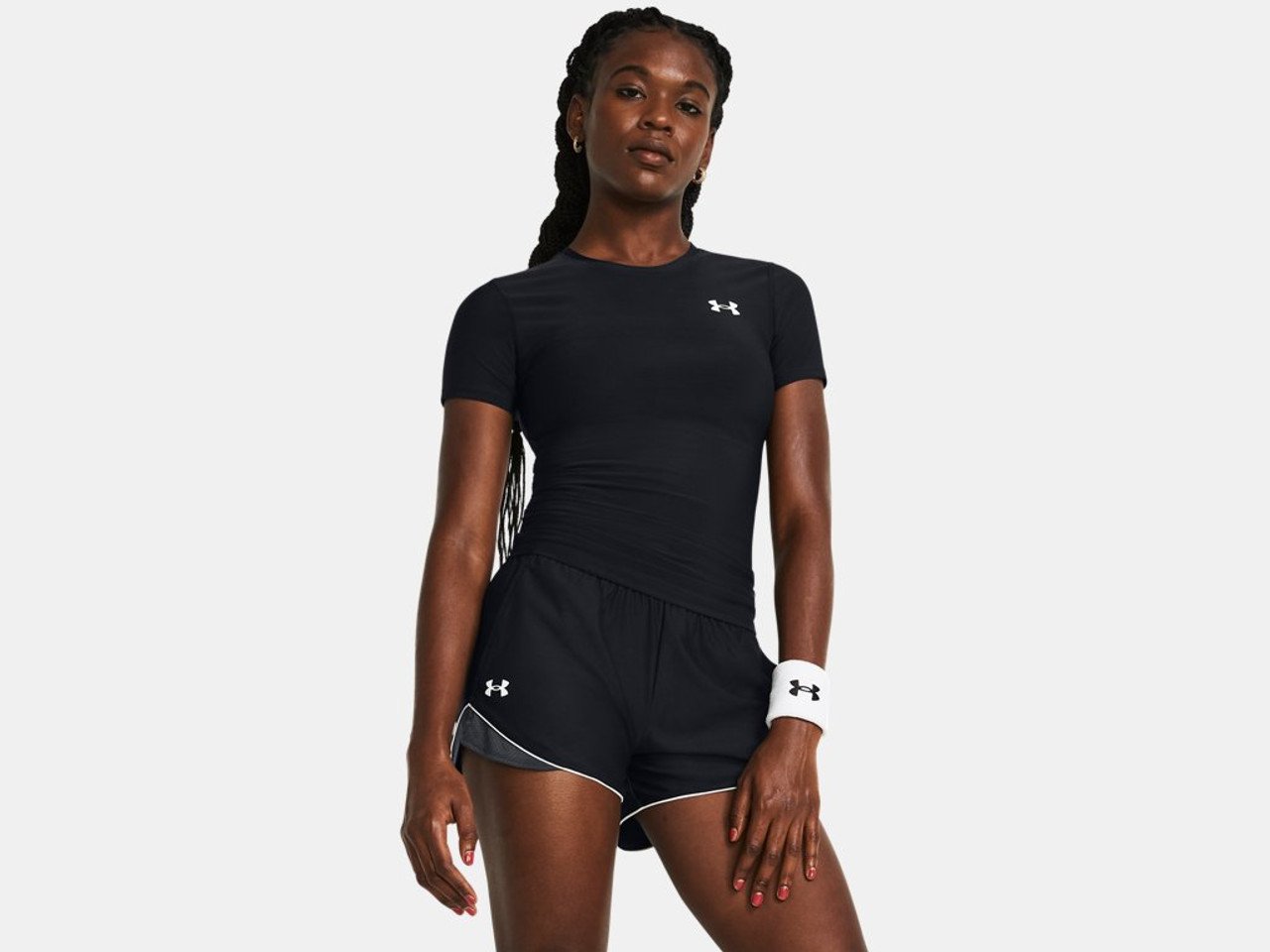
1. Under Armour Fit Depends on the Product Line
Under Armour uses three major fits, each with a different feel.
UA Fit Categories
| Fit Type | Runs Small? | Description |
|---|---|---|
| Compression | Yes | tight, muscle-supporting & body-hugging |
| Fitted | Slightly | close to body but not restrictive |
| Loose | No | roomy, relaxed, ideal for casual workouts |
What this means
If you buy compression items, size up if you don't want a second-skin feel.
OEM Insight:
UA’s compression gear uses tighter patterns and higher-spandex blends — naturally producing stronger tension.
2. Why UA Often Feels Tighter Than Other Brands
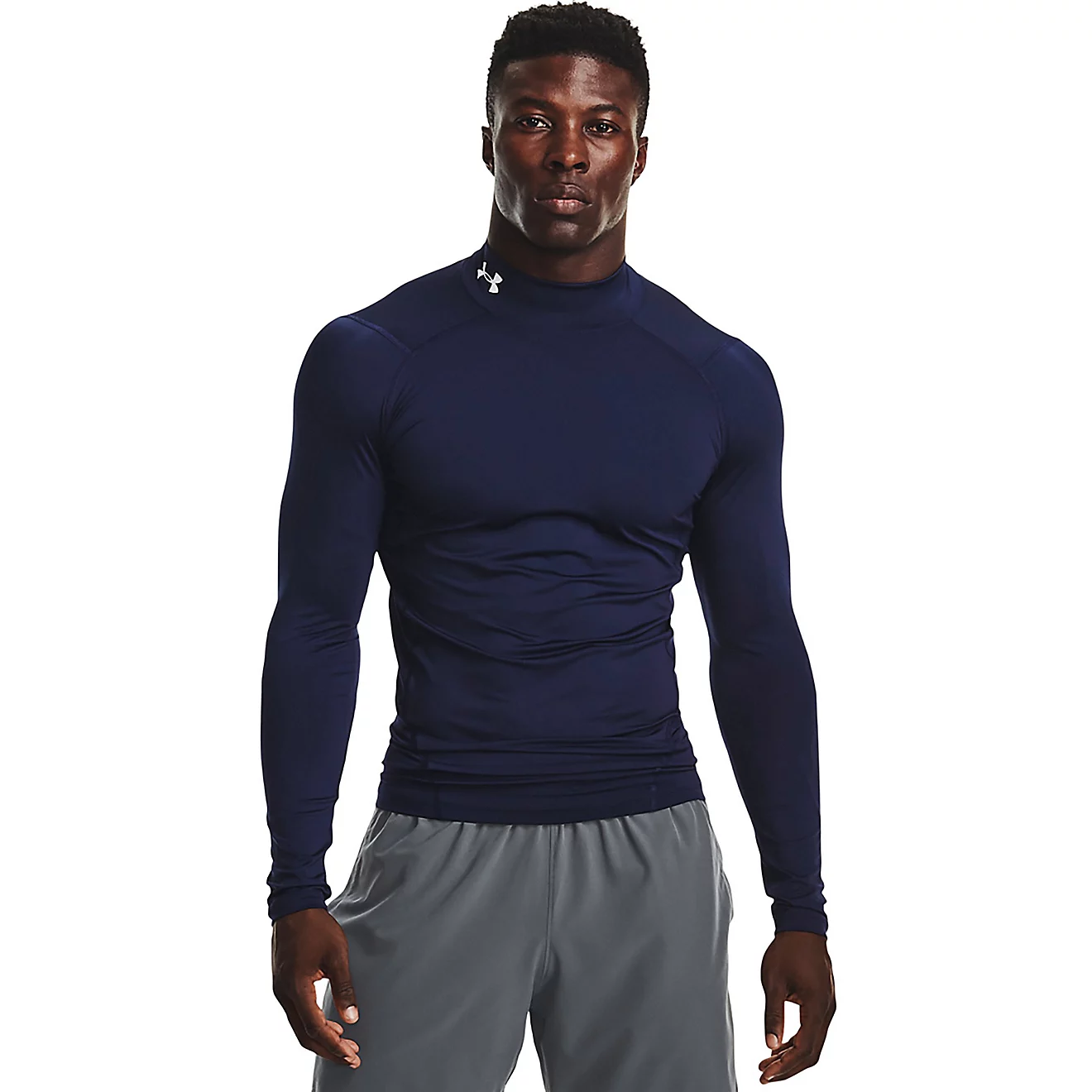
Under Armour built its brand identity on compression and recovery, starting from its earliest products.
Reasons UA feels small:
- high nylon/spandex ratios
- tight muscle-support patterns
- performance-first construction
- moisture-wicking compression fabrics
- minimal stretch ease in chest/shoulder areas
UA sizing is intentional — it’s part of their performance design philosophy.
OEM Insight:
UA compression gear has less “ease allowance,” which makes the garment grip the body more aggressively.
3. Under Armour vs Other Brands (Fit Comparison)
Here is a simple comparison to help you gauge sizing:
| Brand | General Fit | Notes |
|---|---|---|
| Under Armour | small–true | compression-forward fit |
| Nike | true | athletic and structured |
| Adidas | true–slightly big | comfort-first patterns |
| Puma | true | balanced, fashion-forward |
Under Armour is the tightest-fitting among these major brands.
4. How to Choose the Right Size
Here’s an easy sizing guide based on workout type and preference:
✔ If you want tight performance gear
Choose your normal size for compression
—or size up for comfort.
✔ If you want everyday training wear
Go true-to-size for fitted tops and bottoms.
✔ If you prefer casual, breathable workout gear
UA loose-fit items are naturally more relaxed — stay TTS.
✔ For lifters and athletes with broader shoulders
Sizing up in fitted tops is often more comfortable.
Internal Link
Need UA-style compression or fitted activewear for your brand?
👉 https://fukigymwear.com
FAQs
Q1: Does Under Armour shrink after washing?
Minimal shrinkage, but compression fabric may feel tighter if overdried.
Q2: Are UA shoes true to size?
Most UA footwear fits true to size, unlike their tops.
Q3: Is UA better for muscular body types?
Yes — fitted and compression lines contour well for athletic builds.
Q4: Should beginners choose compression?
Not necessary. Fitted items are more comfortable for new athletes.
Related Links
- Under Armour Official: https://www.underarmour.com
- Under Armour Wikipedia: https://en.wikipedia.org/wiki/Under_Armour
- Performance Activewear Manufacturing Support: https://fukigymwear.com

