
Table of Contents
- Quick Answer
- 1. Why Knee Pain Is So Common with Walking and Running
- 2. How HOKA Shoes Affect Knee Stress
- 3. Cushioning vs Mechanics: What Really Helps Knees
- 4. When HOKAs Can Help Knee Pain
- 5. When HOKAs May Not Help (or Can Make It Worse)
- 6. Best HOKA Types for Knee Pain (By Use Case)
- FAQs
- What Brands Can Learn from Knee-Pain-Focused Design
Quick Answer
Yes — HOKA shoes can help with knee pain for many people, mainly by reducing impact forces and smoothing movement.
However, they are not a guaranteed fix, and results depend on why your knees hurt and how you move.
From my experience working with long-wear comfort testing, biomechanics-focused product analysis, and user feedback, HOKAs help knee pain most when impact and fatigue are the main issues.
1. Why Knee Pain Is So Common with Walking and Running
Knee pain usually comes from repeated impact and poor load distribution, not one bad step.
Common contributors include:
- hard ground impact
- long periods of walking or standing
- poor shock absorption
- inefficient stride mechanics
- muscle fatigue

Shoes play a role because they influence how force travels from the ground to your knees.
2. How HOKA Shoes Affect Knee Stress
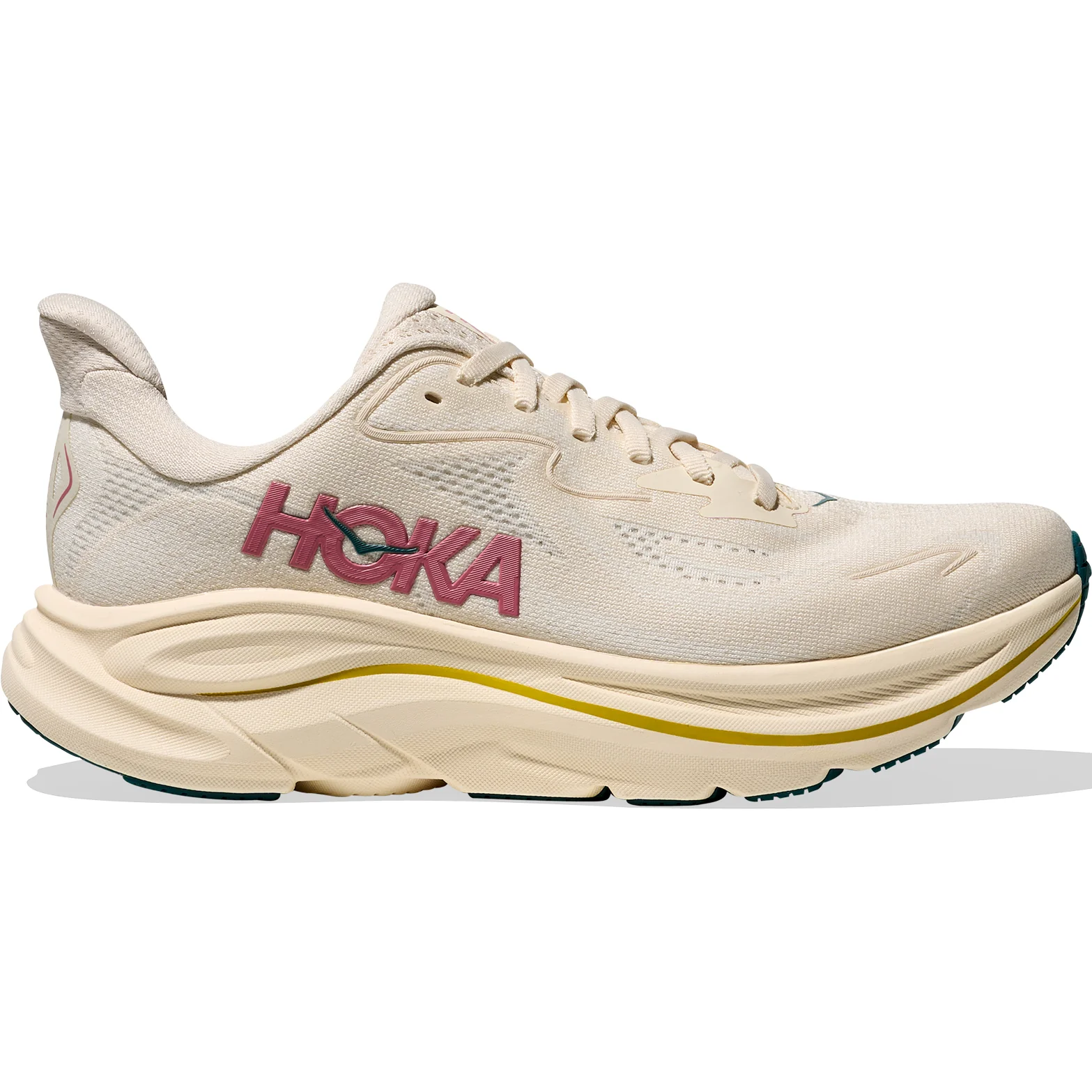
HOKA shoes are designed to reduce and redirect impact forces.
Key features that matter for knees:
- thick, shock-absorbing midsoles
- wide platforms for stability
- rocker-shaped soles that smooth transitions
Official brand reference:
hoka
Key insight:
Less impact at the foot often means less cumulative stress at the knee.
3. Cushioning vs Mechanics: What Really Helps Knees
Cushioning helps — but it’s not the whole story.
What cushioning does well:
- reduces peak impact forces
- improves comfort on hard surfaces
- delays fatigue
What mechanics do better:
- improve joint alignment
- reduce inefficient movement
- prevent overload in certain knee areas
HOKA helps knees by combining:
- cushioning and
- rocker geometry that encourages smoother motion
My honest take:
HOKAs don’t “heal” knees — they make movement less stressful.
4. When HOKAs Can Help Knee Pain
HOKA shoes are especially helpful if your knee pain is related to:
- long-distance walking
- standing all day
- running on hard pavement
- fatigue-related soreness
- joint sensitivity
They’re commonly used by:
- walkers and travelers
- nurses and service workers
- recreational runners
- older adults
Straight answer:
If impact and fatigue trigger your knee pain, HOKAs often help.
5. When HOKAs May *Not* Help (or Can Make It Worse)
HOKAs may not improve knee pain if:
- your pain comes from alignment issues
- you need specific orthotic support
- the rocker sole doesn’t match your gait
- the shoe fit is incorrect
In some cases:
- too-soft cushioning increases instability
- altered stride mechanics shift stress elsewhere
Reality check:
A shoe can reduce impact but still be the wrong match for your body.
6. Best HOKA Types for Knee Pain (By Use Case)
| Use Case | HOKA Style Type | Why It Helps |
|---|---|---|
| Walking / standing | Max-cushion models | Reduces joint impact |
| Long-distance walking | Stable, wide-base shoes | Improves balance |
| Easy running | Balanced cushioning | Smooth transitions |
| Recovery days | Soft but stable designs | Low stress movement |
Key takeaway:
For knee pain, stability + cushioning matters more than speed.
FAQs
Q1: Do doctors recommend HOKA shoes for knee pain?
Many healthcare professionals do — mainly for comfort and impact reduction.
Q2: Are HOKAs better for knee pain than regular sneakers?
Often yes, especially on hard surfaces and long wear.
Q3: Can HOKAs fix knee injuries?
No. They can reduce stress, but they don’t treat underlying injuries.
Q4: Should I wear HOKAs all day if I have knee pain?
Yes — but ease into them and ensure proper fit.
What Brands Can Learn from Knee-Pain-Focused Design
HOKA succeeds because it designs for fatigue reduction, not just performance metrics.
At fukigymwear,
we apply the same thinking to activewear — developing products that support the body over hours, not just minutes.
What We Support
- comfort-driven product strategy
- fatigue and impact testing
- movement-focused design logic
- long-wear user testing
- low-MOQ OEM / ODM manufacturing
- private-label performance apparel development
HOKAs help with knee pain not by magic —
but by making every step less demanding on the body.

