
Table of Contents
- Quick Answer
- Why Yoga Wear Requires Specialized Manufacturing
- What Makes Yoga Fabrics Different
- Best Stretch Fabrics for Yoga Wear
- Understanding Stretch & Recovery
- Fit Engineering for Yoga Apparel
- Fabric vs Fit: What Matters More
- How to Choose the Right Manufacturer
- Best Strategy Based on Brand Positioning
- Common Mistakes in Yoga Wear Development
- FAQ
- Conclusion
Quick Answer
A custom yoga wear manufacturer focuses on stretch fabrics, precise fit, and comfort-driven design to create products that support flexibility and movement.
The key is balancing softness, elasticity, and shape retention.
Why Yoga Wear Requires Specialized Manufacturing
From my experience, yoga wear is very different from general gym apparel.
It requires:
- Higher stretch flexibility
- Softer hand feel
- Better body fit
Unlike training wear, yoga apparel focuses on:
- Comfort
- Flow movement
- Skin-friendly materials
👉 Explore production solutions: Fukigymwear
What Makes Yoga Fabrics Different
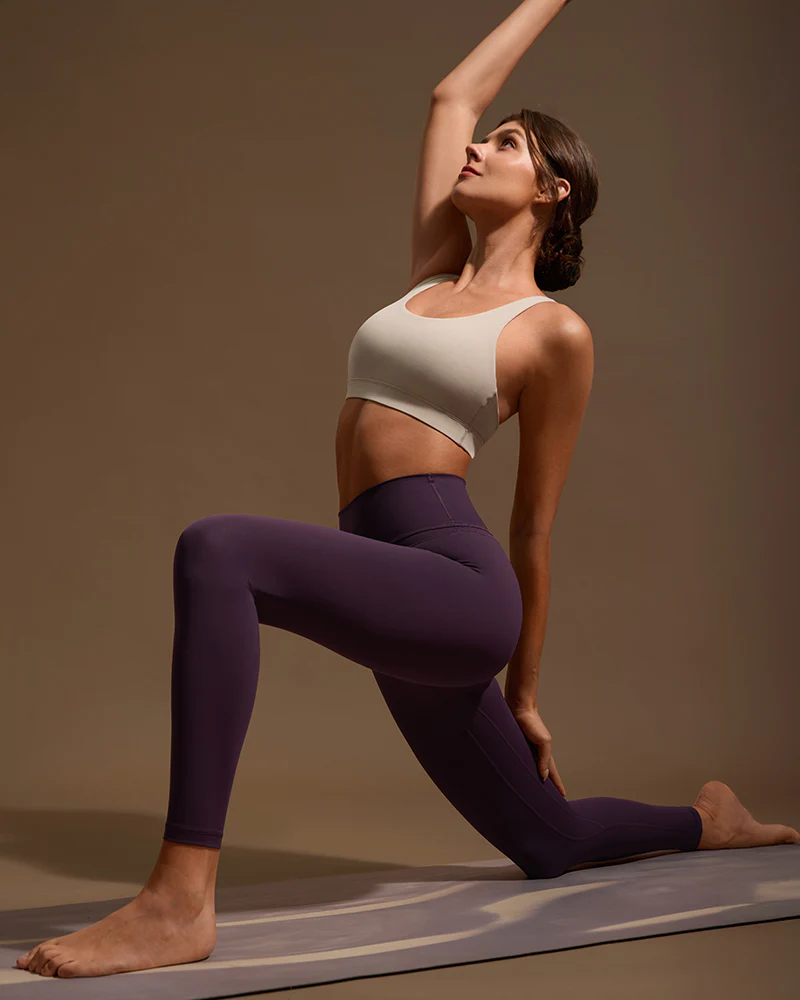
Yoga fabrics are designed for comfort first.
Key characteristics:
- Soft texture
- High elasticity
- Lightweight feel
- Breathability
They must also:
- Avoid transparency
- Maintain shape after stretching
Best Stretch Fabrics for Yoga Wear
Here are the most common fabric choices:
| Fabric | Feature | Best Use |
|---|---|---|
| Nylon + Spandex | Soft & high stretch | Premium yoga wear |
| Polyester + Spandex | Lightweight & breathable | Entry-level products |
| Modal blends | Ultra-soft feel | Lifestyle yoga wear |
👉 Reference standard:
OEKO-TEX® Standard 100
Understanding Stretch & Recovery
Stretch alone is not enough—recovery is critical.
Key terms:
- Stretch → How far fabric extends
- Recovery → How well it returns to shape
Poor recovery leads to:
- Sagging fabric
- Loss of fit
- Lower product quality
Fit Engineering for Yoga Apparel
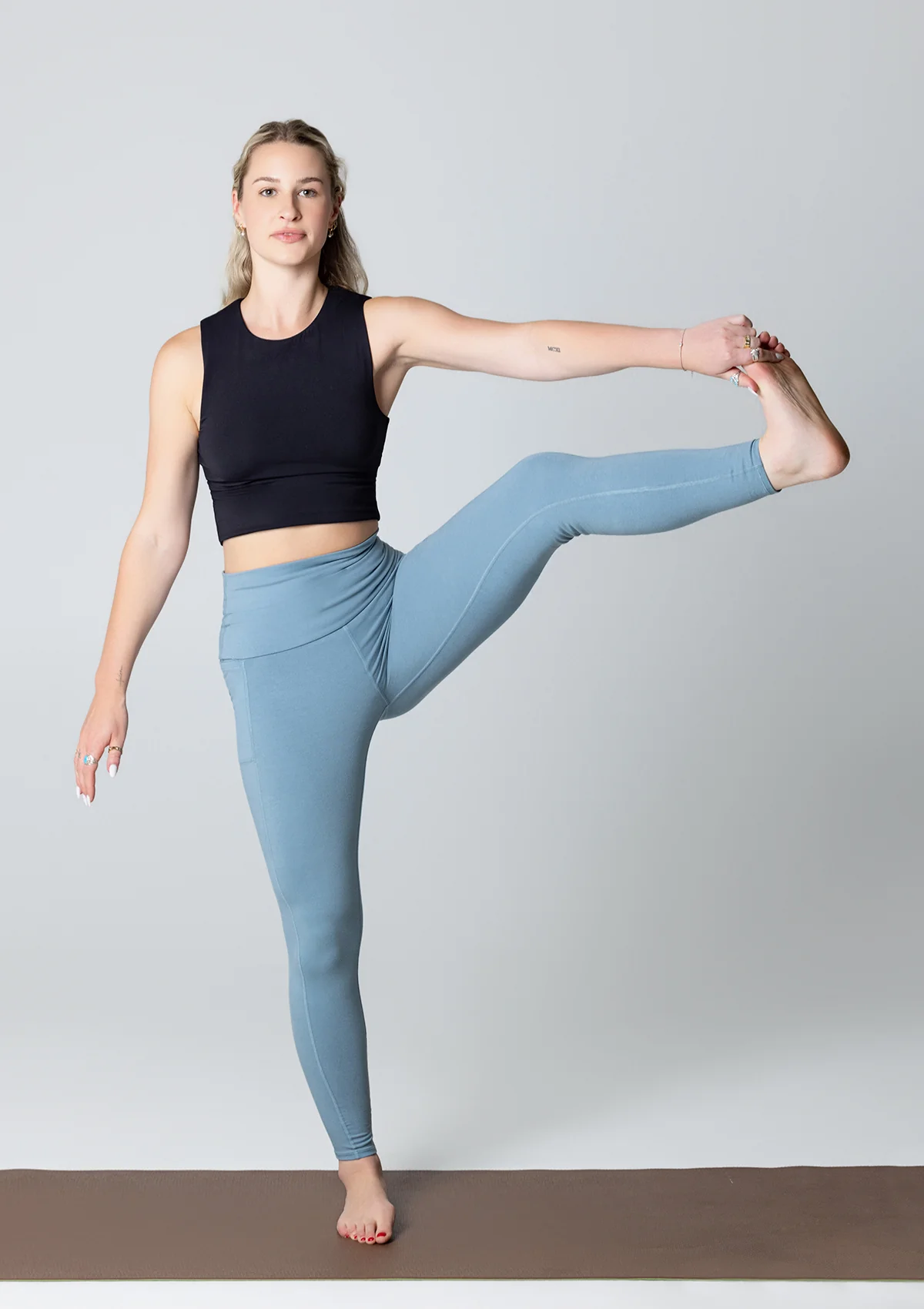
Fit is just as important as fabric.
Key considerations:
- Body contour alignment
- Waistband comfort
- Seam placement
Yoga wear should:
- Move naturally with the body
- Avoid pressure points
- Maintain shape during movement
Fabric vs Fit: What Matters More
| Factor | Fabric | Fit |
|---|---|---|
| Comfort | High | High |
| Performance | Medium | High |
| Durability | Medium | Medium |
| User Experience | High | Very High |
Conclusion:
Both matter, but fit often determines customer satisfaction.
How to Choose the Right Manufacturer
Yoga wear requires manufacturers with specific expertise.
Look for:
- Experience with stretch fabrics
- Strong pattern development
- Fabric sourcing capability
- Quality control system
👉 Learn more: Fukigymwear
Best Strategy Based on Brand Positioning
Different brands require different approaches:
| Brand Type | Strategy |
|---|---|
| Startup | Focus on simple designs & low MOQ |
| Premium Brand | Invest in fabric quality |
| Yoga Lifestyle Brand | Focus on softness & comfort |
| Performance Brand | Optimize stretch & durability |
Common Mistakes in Yoga Wear Development
From my experience, these mistakes are common:
Mistake 1: Choosing fabric that is not soft enough
→ Poor user experience
Mistake 2: Ignoring recovery performance
→ Shape loss
Mistake 3: Poor fit design
→ Customer complaints
Mistake 4: Overlooking fabric opacity
→ Transparency issues
FAQ
Q1: What is the best fabric for yoga wear?
Nylon + spandex blends are most commonly used.
Q2: What is the MOQ for custom yoga wear?
Usually around 100 pcs per style.
Q3: How long does production take?
Sample: 7–10 days
Bulk: 25–35 days
Q4: How do manufacturers ensure quality?
Through fabric testing and AQL inspection systems.
👉 Learn more:
AQL Inspection Guide
Conclusion
Custom yoga wear manufacturing is all about comfort, flexibility, and fit.
Success depends on:
- Choosing the right fabric
- Engineering the right fit
- Working with the right manufacturer
If you get these right, your product will stand out in the market.
👉 Start your yoga wear project: Fukigymwear

