
If you're starting or scaling a fitness apparel brand, you’ve probably come across two common terms: manufacturer and supplier.
From my experience working with fitness brands, many people confuse these two roles—and this confusion often leads to poor sourcing decisions.
Choosing between a custom fitness apparel manufacturer and a supplier directly impacts your product quality, branding flexibility, and long-term growth.
In this guide, I’ll clearly explain the differences and help you decide which option is right for your brand.
Table of Contents
- Quick Answer
- What Is a Manufacturer?
- What Is a Supplier?
- Key Differences Explained
- When to Choose a Manufacturer
- When to Choose a Supplier
- Pros and Cons Comparison
- Common Mistakes Brands Make
- FAQ
- Conclusion
Quick Answer
A manufacturer produces custom fitness apparel based on your designs, while a supplier typically resells ready-made products with limited customization options.
What Is a Manufacturer?
A manufacturer creates products from scratch based on your specifications.
Key Features
- custom designs
- fabric selection
- product development
- bulk production
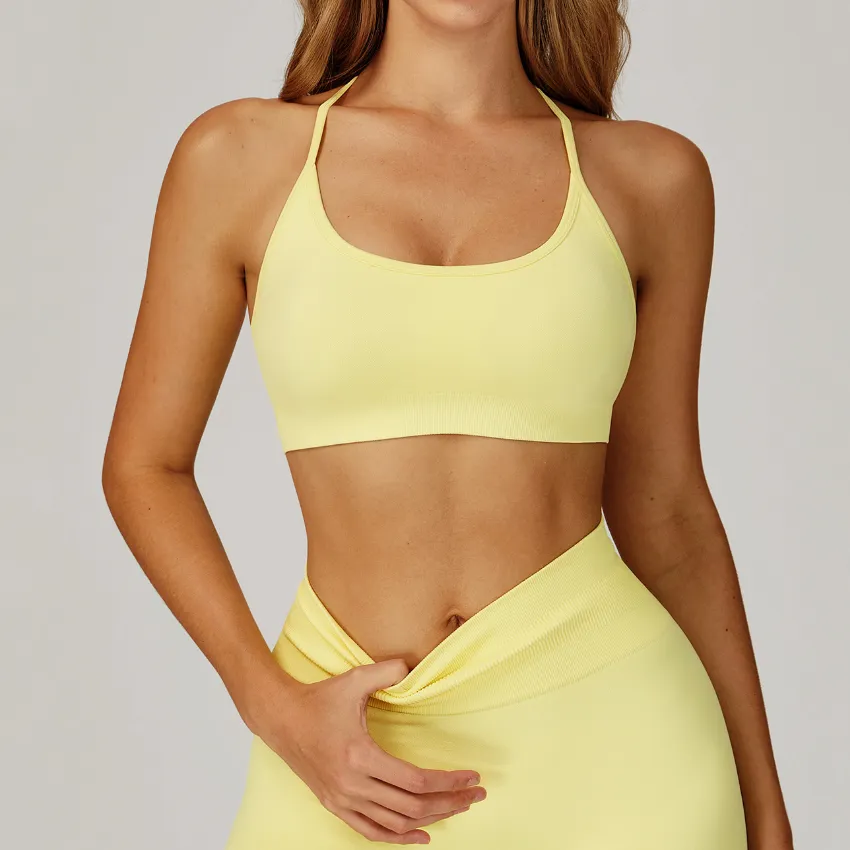
Manufacturers are ideal for brands that want unique products and full control.
Brands like Nike rely on manufacturing partners to develop performance-driven apparel.
What Is a Supplier?
A supplier typically provides pre-made products.
Key Features
- ready-made items
- limited customization
- faster delivery
- lower upfront cost
Suppliers are often used for quick product launches or small-scale operations.
Key Differences Explained
Understanding the difference is critical.
Manufacturer vs Supplier
| Feature | Manufacturer | Supplier |
|---|---|---|
| product | custom | ready-made |
| branding | full control | limited |
| MOQ | higher | lower |
| development | required | not needed |
| uniqueness | high | low |
From my experience, choosing the wrong model can limit your brand’s growth.
When to Choose a Manufacturer
Choose a manufacturer if you:
- want unique product designs
- plan to build a long-term brand
- need better quality control
- want to scale production
👉 Custom Gym Wear Manufacturer
Manufacturers are the best option for serious brands aiming for growth.
When to Choose a Supplier
Choose a supplier if you:
- want to test the market quickly
- have a limited budget
- need fast turnaround
- don’t require customization

Suppliers are ideal for early testing but not long-term differentiation.
Pros and Cons Comparison
Comparison Table
| Factor | Manufacturer | Supplier |
|---|---|---|
| cost | higher upfront | lower upfront |
| flexibility | high | low |
| speed | slower | faster |
| branding | strong | limited |
According to Statista, the global activewear market is becoming increasingly competitive, making differentiation more important.
Premium brands like Lululemon focus heavily on product uniqueness through manufacturing.
Common Mistakes Brands Make
From my experience, these are the most common mistakes:
- choosing suppliers for long-term branding
- ignoring customization needs
- focusing only on cost
- not planning for scaling
These mistakes often limit brand growth.
FAQ
Is a manufacturer better than a supplier?
It depends on your goals. Manufacturers are better for long-term brands, while suppliers are good for testing.
Can I switch from supplier to manufacturer later?
Yes, but it may require redesign and additional costs.
Which option is cheaper?
Suppliers are cheaper initially, but manufacturers offer better long-term value.
What do most successful brands choose?
Most successful brands eventually work with manufacturers.
Conclusion
Understanding the difference between a manufacturer and a supplier is essential for making the right business decision.
From my experience, the best strategy is:
- start small if needed
- move toward manufacturing as you grow
- focus on product differentiation
If you want to build a strong fitness apparel brand, working with a manufacturer is the long-term solution.
The right partner will help you create unique products and scale your business successfully.

