
Table of Contents
- Quick Answer
- What Is Compression Wear and Why It Matters
- How Compression Wear Is Different from Regular Activewear
- Key Fabrics Used in Compression Wear
- Compression Levels Explained
- Fit & Pattern Engineering for Compression
- Performance Factors That Define Quality
- Compression Wear vs Regular Activewear
- How to Choose the Right Manufacturer
- Best Strategy Based on Brand Type
- Common Mistakes in Compression Wear Development
- FAQ
- Conclusion
Quick Answer
A custom compression wear manufacturer specializes in producing high-performance garments designed for muscle support, flexibility, and durability.
The key is selecting the right fabric blend, compression level, and fit engineering to ensure both performance and comfort.
What Is Compression Wear and Why It Matters
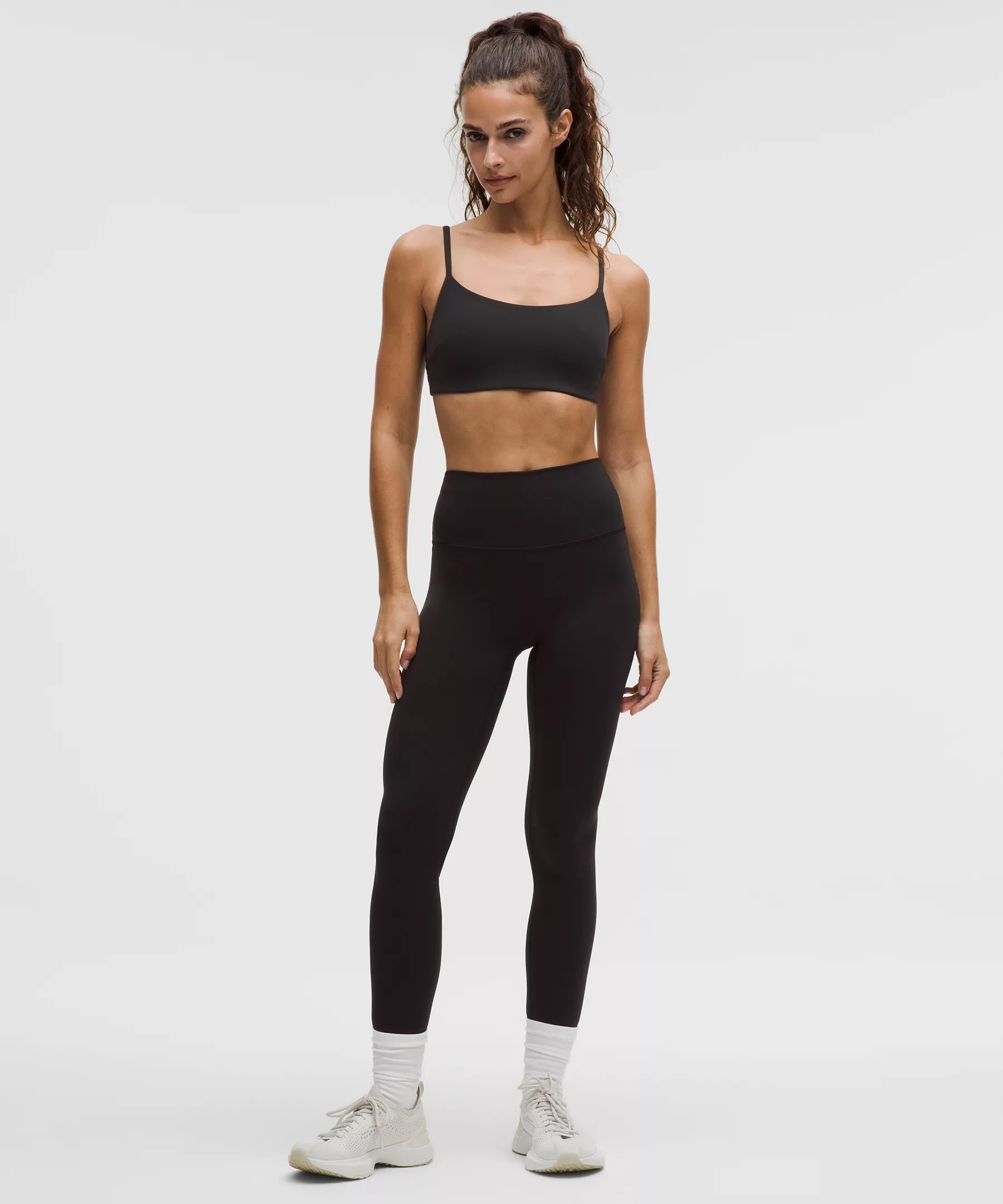
Compression wear is designed to apply pressure to specific muscle groups.
From my experience, it’s one of the most technical categories in activewear.
Benefits include:
- Improved blood circulation
- Muscle support
- Reduced fatigue
- Better recovery
👉 Explore manufacturing solutions: Fukigymwear
How Compression Wear Is Different from Regular Activewear
Compression wear is not just tighter clothing.
It requires:
- Higher elasticity
- Controlled pressure distribution
- Precise pattern engineering
Regular activewear focuses on comfort, while compression wear focuses on performance and support.
Key Fabrics Used in Compression Wear
Fabric is the most critical factor.
Common blends:
| Fabric | Feature | Use Case |
|---|---|---|
| Polyester + Spandex | Strong stretch & durability | Compression tops & leggings |
| Nylon + Spandex | Smooth & premium feel | High-end compression wear |
| High-elastic blends | Maximum stretch | Performance-focused products |
Key fabric properties:
- 4-way stretch
- High recovery rate
- Moisture-wicking
- Compression stability
👉 Reference:
OEKO-TEX® Standard 100
Compression Levels Explained
Not all compression wear is the same.
| Level | Pressure | Application |
|---|---|---|
| Light | Comfort fit | Everyday wear |
| Medium | Balanced support | Gym training |
| High | Strong compression | Performance sports |
Choosing the wrong level can reduce both comfort and effectiveness.
Fit & Pattern Engineering for Compression
Fit is more complex than regular apparel.
It requires:
- Body-mapping design
- Compression zone control
- Accurate sizing
Poor fit leads to:
- Restricted movement
- Discomfort
- Product returns
Performance Factors That Define Quality
Key performance indicators:
- Compression consistency
- Breathability
- Sweat-wicking
- Durability
These directly impact user satisfaction and brand reputation.
Compression Wear vs Regular Activewear
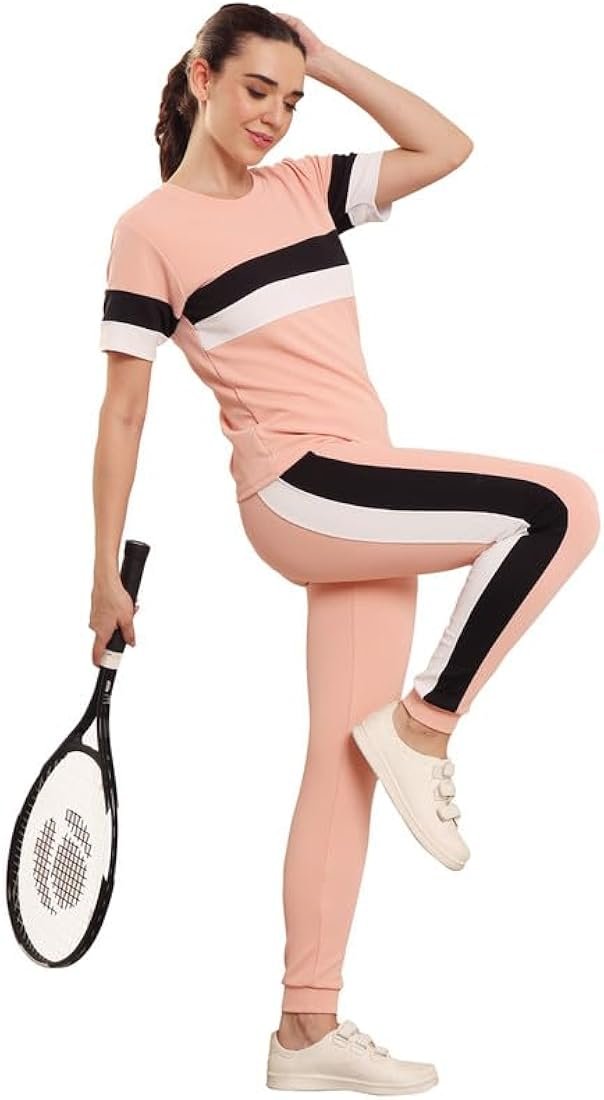
| Feature | Compression Wear | Regular Activewear |
|---|---|---|
| Fit | Tight | Loose/Fitted |
| Function | Muscle support | Comfort |
| Fabric | High elasticity | Moderate elasticity |
| Performance | High | Medium |
How to Choose the Right Manufacturer
Not all manufacturers can handle compression wear.
Look for:
- Experience with performance fabrics
- Advanced pattern development
- Strong quality control system
- Stable production capability
👉 Learn more: Fukigymwear
Best Strategy Based on Brand Type
Different brands require different approaches:
| Brand Type | Strategy |
|---|---|
| Startup | Start with medium compression |
| Performance Brand | Focus on high compression |
| Lifestyle Brand | Use light compression |
| Premium Brand | Invest in fabric quality |
Common Mistakes in Compression Wear Development
From my experience, these are critical mistakes:
Mistake 1: Using the wrong fabric blend
→ Poor compression performance
Mistake 2: Ignoring compression zones
→ Ineffective support
Mistake 3: Over-compressing products
→ Reduced comfort
Mistake 4: Skipping fit testing
→ High return rates
FAQ
Q1: What fabric is best for compression wear?
Polyester or nylon blended with spandex is ideal.
Q2: What is the MOQ for compression wear?
Usually around 100 pcs per style.
Q3: How long does production take?
Sample: 7–10 days
Bulk: 25–35 days
Q4: How do manufacturers ensure quality?
Through fabric testing and AQL inspection systems.
👉 Learn more:
AQL Inspection Guide
Conclusion
Custom compression wear manufacturing requires a higher level of expertise than regular activewear.
Success depends on:
- Fabric selection
- Compression design
- Fit accuracy
If done right, compression wear can become a premium product line for your brand.
👉 Start your project: Fukigymwear

