
Table of Contents
- Quick Answer
- What Is Compression Clothing
- Why Compression Apparel Matters for Activewear Brands
- Overview: What Defines High-Quality Compression Wear
- Fabric Technology: Compression Materials Explained
- Fit & Pressure: How Compression Works
- Key Performance Benefits
- Design & Customization Options
- Production Process for Compression Clothing
- MOQ, Cost & Lead Time Considerations
- Common Mistakes to Avoid
- How Fukigymwear Develops Compression Apparel
- FAQ
- Conclusion
Quick Answer
Custom compression clothing requires advanced fabric, precise fit, and controlled pressure levels to deliver performance benefits such as muscle support and recovery.
At FuKi Gymwear, we help brands develop compression apparel that balances performance, comfort, and scalability.
What Is Compression Clothing
Compression clothing is performance apparel designed to apply pressure to muscles, improving circulation and support during physical activity.
Common products include:
- compression leggings
- compression tops
- base layers
- compression shorts

👉 These garments are widely used in fitness, sports, and recovery wear.
Why Compression Apparel Matters for Activewear Brands
Compression wear adds value to activewear lines by offering:
- enhanced performance
- improved recovery
- premium product positioning
👉 It is often seen as a high-performance category.
Overview: What Defines High-Quality Compression Wear
Compression apparel depends on:
- fabric elasticity
- pressure distribution
- fit accuracy
- durability
👉 These factors determine effectiveness and comfort.
Fabric Technology: Compression Materials Explained
Compression garments use specialized fabrics.
Common materials:
- polyester + spandex (high elasticity)
- nylon + spandex blends
Key features:
- 4-way stretch
- high recovery
- moisture-wicking
- durability
👉 Fabric quality directly affects compression performance.
Fit & Pressure: How Compression Works
Compression depends on precise fit.
Key elements:
- tight but comfortable fit
- graduated pressure (stronger in certain areas)
- ergonomic pattern design
👉 Incorrect fit reduces effectiveness.
Key Performance Benefits
Compression clothing provides:
- muscle support
- improved blood circulation
- reduced muscle fatigue
- faster recovery
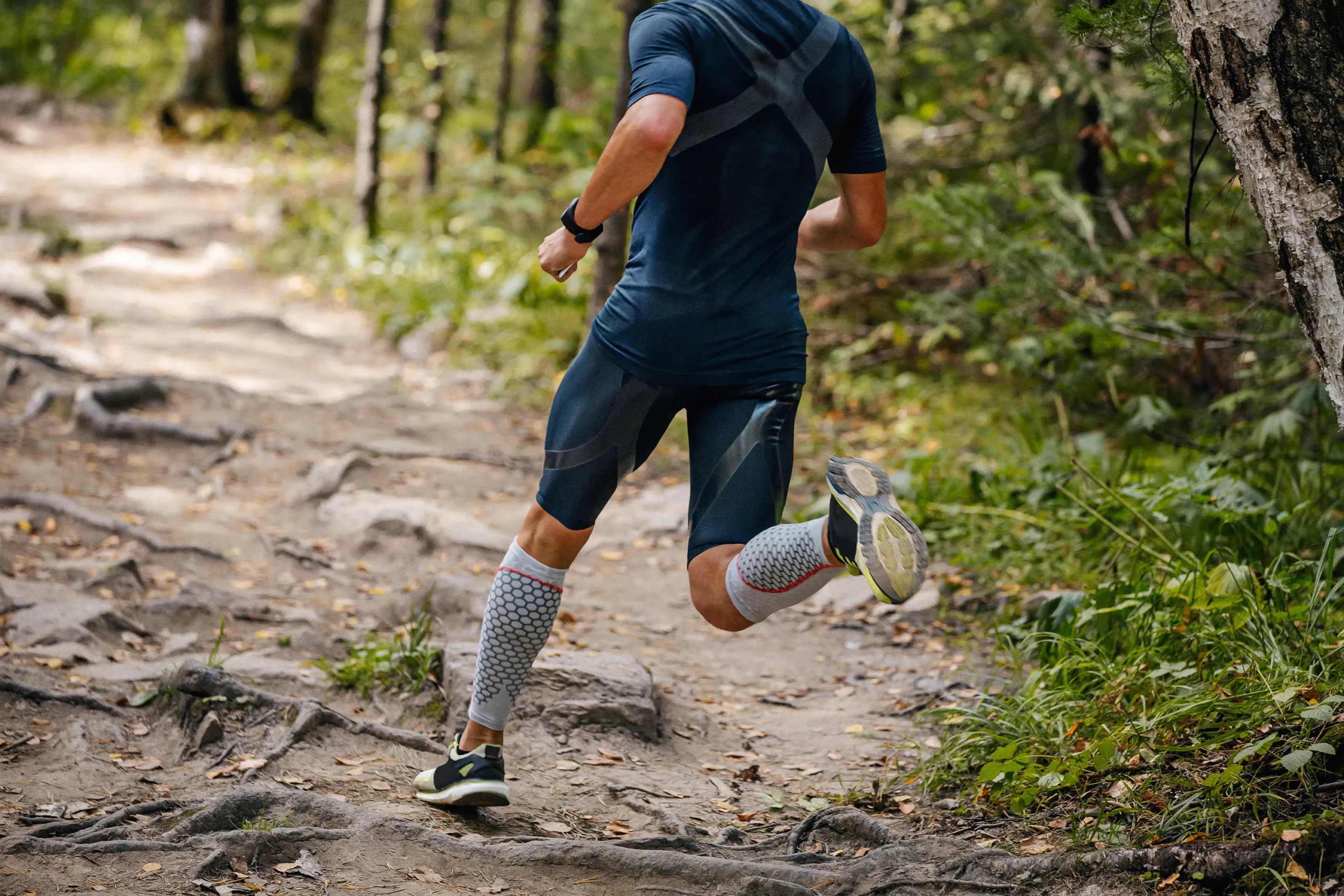
👉 These benefits attract performance-focused consumers.
Design & Customization Options
Customization options include:
- panel design for targeted compression
- logo placement
- color blocking
- mesh ventilation zones
👉 Design enhances both function and brand identity.
Production Process for Compression Clothing
Typical workflow:
- design and specification
- fabric sourcing
- sample development
- fit testing
- bulk production
- quality control
👉 Precision is critical at every stage.
MOQ, Cost & Lead Time Considerations
Compression apparel typically involves:
- MOQ: 100–300 pcs per style
- cost: higher due to technical fabrics
- lead time: 25–35 days
👉 Proper planning ensures efficient production.
Common Mistakes to Avoid
Mistake 1: Using Low-Stretch Fabric
Reduces compression effectiveness.
Mistake 2: Poor Fit Development
Leads to discomfort and poor performance.
Mistake 3: Overcomplicated Design
Increases cost and production complexity.
Mistake 4: Weak Quality Control
Results in inconsistent pressure and sizing.
How Fukigymwear Develops Compression Apparel
At FuKi Gymwear, we specialize in performance apparel.
Our approach:
- fabric selection based on compression needs
- precise pattern and fit development
- performance-focused design support
- strict quality control
What we offer:
- low MOQ (100 pcs)
- sampling in 7–10 days
- bulk production in 25–35 days
- private label customization
- global shipping support
👉 We help brands create compression products that perform and scale.
FAQ
Q1: What is the best fabric for compression wear?
Nylon or polyester blended with high spandex content.
Q2: How tight should compression clothing be?
Tight but comfortable, without restricting movement.
Q3: Is compression clothing suitable for all customers?
Yes, but fit and comfort must be carefully designed.
Conclusion
Custom compression clothing requires advanced materials, precise fit, and strong production control to deliver performance benefits.
By focusing on these factors, brands can create high-value products that stand out in the market.
If you are looking for a reliable partner, FuKi Gymwear can help you develop high-performance compression apparel for your brand.
