
Building an activewear brand is not just about ideas — it’s about execution. The difference between a successful product and a failed one usually comes down to the manufacturing process behind it.
So the real question is:
👉 How does a custom activewear manufacturer turn your idea into a scalable product?
Let’s walk through the full process.
Table of Contents
- Quick Answer
- What Does a Custom Activewear Manufacturer Actually Do
- From Idea to Product: Full Production Process
- Step 1: Concept & Design Planning
- Step 2: Fabric Selection & Sourcing
- Step 3: Pattern Development & Fit Engineering
- Step 4: Sampling & Product Validation
- Step 5: Pre-Production Setup
- Step 6: Bulk Production
- Step 7: Quality Control & Inspection
- Timeline & Cost Overview
- How to Choose the Right Manufacturer
- Common Mistakes to Avoid
- FAQ
- Conclusion
Quick Answer
A custom activewear manufacturer takes your idea — from concept, fabric selection, and sampling — all the way to bulk production.
👉 The real value is not just making products, but building a repeatable system that ensures:
- Consistent quality
- Reliable timelines
- Scalable production
💬 Good manufacturing is not one order — it’s a long-term system.
1. What Does a Custom Activewear Manufacturer Actually Do
From experience, many people misunderstand this.
A real manufacturer handles:
- Product development (not just production)
- Fabric sourcing
- Pattern engineering
- Sampling and revisions
- Bulk manufacturing
- Quality control
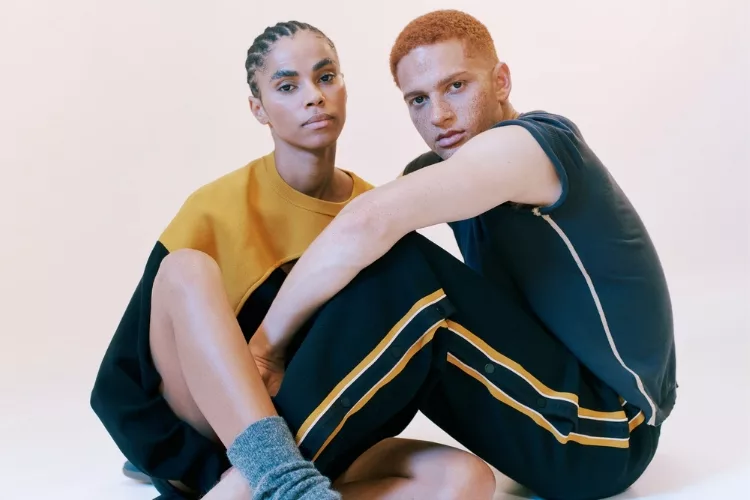
👉 If a supplier only offers production, problems will appear later.
👉 Fukigymwear is one example of a manufacturer that supports full-process development.
2. From Idea to Product: Full Production Process
| Stage | What Happens | Why It Matters |
|---|---|---|
| Concept | Define product | Avoid confusion |
| Fabric | Select materials | Performance |
| Pattern | Build fit | Function |
| Sample | Test product | Reduce risk |
| Pre-production | Lock details | Consistency |
| Bulk | Manufacture | Scale |
| QC | Inspect | Quality control |
💬 Each step reduces risk and improves consistency.
Step 1: Concept & Design Planning
Everything starts with clarity.
Define:
- Target customer (gym / yoga / lifestyle)
- Product type (leggings, bras, sets)
- Performance expectations
💬 The clearer the idea, the faster development.
Step 2: Fabric Selection & Sourcing
Fabric determines 70% of product quality.
Common fabrics:
- Nylon + Spandex → stretch & recovery
- Polyester blends → breathable & lightweight
- Cotton blends → comfort
What to check:
- GSM consistency
- Stretch & recovery
- Color fastness
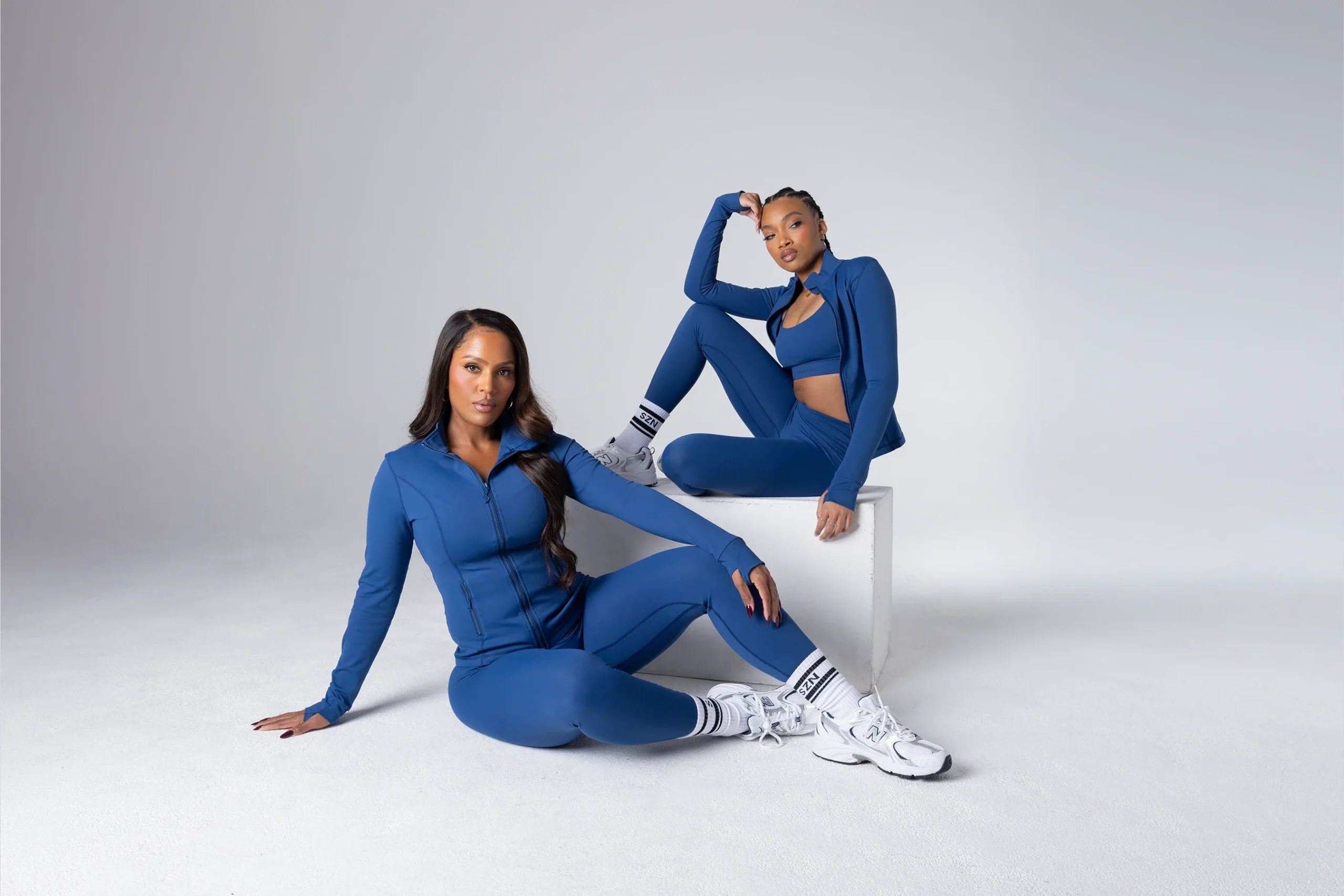
👉 Reference: OEKO-TEX® Standard 100
Step 3: Pattern Development & Fit Engineering
Fit is not resized — it’s engineered.
We design based on:
- Body movement
- Compression zones
- Fit balance
Critical for:
- Leggings
- Sports bras
- Performance tops
💬 Bad patterns = bad products, no matter the fabric.
Step 4: Sampling & Product Validation
Sampling solves most issues early.
Process:
- First sample
- Fit revisions
- Final approval
Timeline:
- 7–10 days
💬 This stage prevents bulk mistakes.
Step 5: Pre-Production Setup
Before bulk, everything must be locked:
- Fabric batch
- Colors
- Logo method
- Size grading
💬 This ensures sample = bulk consistency.
Step 6: Bulk Production
Includes:
- Cutting
- Sewing
- Printing / embroidery
- Assembly
Timeline:
- 25–35 days
💬 Consistency matters more than speed.
Step 7: Quality Control & Inspection
Quality is checked at multiple stages:
- In-line inspection
- Final AQL inspection
- Measurement checks
👉 AQL = Acceptable Quality Limit system
💬 QC protects your brand before products reach customers.
Timeline & Cost Overview
| Stage | Time | Cost Impact |
|---|---|---|
| Sampling | 7–10 days | Medium |
| Bulk Production | 25–35 days | High |
| QC & Shipping | 3–7 days | Variable |
How to Choose the Right Manufacturer
For Startups:
- Low MOQ
- Fast sampling
- Flexible customization
For Scaling Brands:
- Stable quality
- Strong production capacity
- Reliable timelines
💬 Choose based on your stage — not just price.
Common Mistakes to Avoid
- Skipping sampling → bulk defects
- Choosing lowest price → poor quality
- Ordering too much → inventory risk
- Ignoring fabric → product failure
💬 Most failures happen before production starts.
FAQ
Q1: What is the MOQ for custom activewear?
Usually around 100 pcs per style.
Q2: How long from concept to bulk?
Typically 4–6 weeks.
Q3: Can everything be customized?
Yes — fabric, fit, branding, packaging.
Q4: How to reduce risk?
Focus on sampling and choose the right manufacturer.
Conclusion
A custom activewear manufacturer is not just a factory — it’s a system that turns ideas into scalable products.
Every step — from concept to QC — directly affects:
- Product quality
- Customer satisfaction
- Brand growth
👉 If you want to build a strong, scalable activewear brand, you need a partner who understands the full process.
👉 Start here: Fukigymwear
💬 The right manufacturer doesn’t just make your product — they build your brand.
