
If you've spent time in a gym, you've probably noticed two very different types of workout clothing. Some athletes wear tight compression gear, while others prefer looser regular gym wear.
So which one is better?
From my experience working with activewear brands and athletes, the answer depends on the type of workout, personal comfort, and training goals.
Both compression clothing and regular gym wear have advantages. Understanding the differences can help you choose clothing that improves comfort, performance, and recovery.
In this guide, we’ll explain the key differences between compression and regular gym wear, how each type works, and when you should choose one over the other.
Table of Contents
- What Is Compression Gym Wear
- What Is Regular Gym Wear
- Compression vs Regular Gym Wear: Key Differences
- Benefits of Compression Clothing
- Benefits of Regular Gym Wear
- Which Workouts Benefit Most from Compression Gear
- Fabric Technology Behind Compression Clothing
- Compression vs Regular Gym Wear Comparison
- How to Choose the Right Gym Wear
- FAQ About Compression Clothing
- Final Thoughts
What Is Compression Gym Wear
Compression gym wear refers to tight-fitting athletic clothing designed to apply gentle pressure to muscles during exercise.
These garments are typically made from elastic performance fabrics such as nylon, spandex, or polyester blends.
Common compression clothing includes:
- compression shirts
- compression leggings
- compression shorts
- compression sleeves
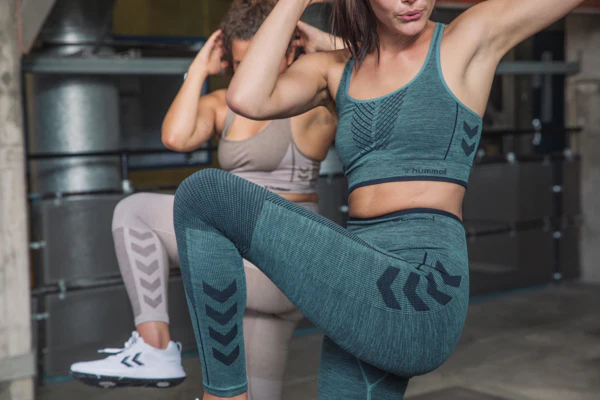
The goal of compression apparel is to support muscles, improve circulation, and reduce fatigue during workouts.
What Is Regular Gym Wear
Regular gym wear refers to traditional workout clothing that is designed for comfort and flexibility rather than compression.
These garments usually have a looser fit and include items such as:
- performance T-shirts
- training shorts
- joggers
- hoodies
Regular gym wear focuses on:
- breathability
- comfort
- freedom of movement
Most casual gym-goers prefer regular activewear because it feels more relaxed during workouts.
According to market data from Statista, demand for performance activewear continues to grow as more people participate in fitness activities.
Compression vs Regular Gym Wear: Key Differences
Although both types of clothing are designed for workouts, they function differently.
Key Differences
| Feature | Compression Gym Wear | Regular Gym Wear |
|---|---|---|
| fit | tight and supportive | loose or relaxed |
| muscle support | high | minimal |
| airflow | moderate | high |
| comfort level | performance-focused | comfort-focused |
| typical use | intense training | general workouts |
These differences make each option better suited to specific types of exercise.
Benefits of Compression Clothing
Compression gear has become popular among athletes and serious fitness enthusiasts.
Major Benefits
- Improved circulation
Compression fabrics help increase blood flow during workouts.
- Muscle support
Tight fabrics stabilize muscles during intense movement.
- Reduced muscle fatigue
Some athletes report reduced soreness after training.
- Better body temperature control
Modern compression fabrics often include moisture-wicking technology.
Benefits of Regular Gym Wear
Regular gym clothing still remains the most common choice for everyday workouts.
Advantages of Regular Activewear
| Benefit | Explanation |
|---|---|
| comfort | relaxed fit allows freedom of movement |
| breathability | airflow helps regulate body temperature |
| versatility | suitable for multiple workout styles |
| casual style | wearable outside the gym |
For many people, regular gym clothing offers the best balance between comfort and performance.
Which Workouts Benefit Most from Compression Gear
Compression clothing works particularly well for certain types of workouts.
Ideal Workouts for Compression Wear
- weight training
- HIIT workouts
- sprint training
- endurance sports
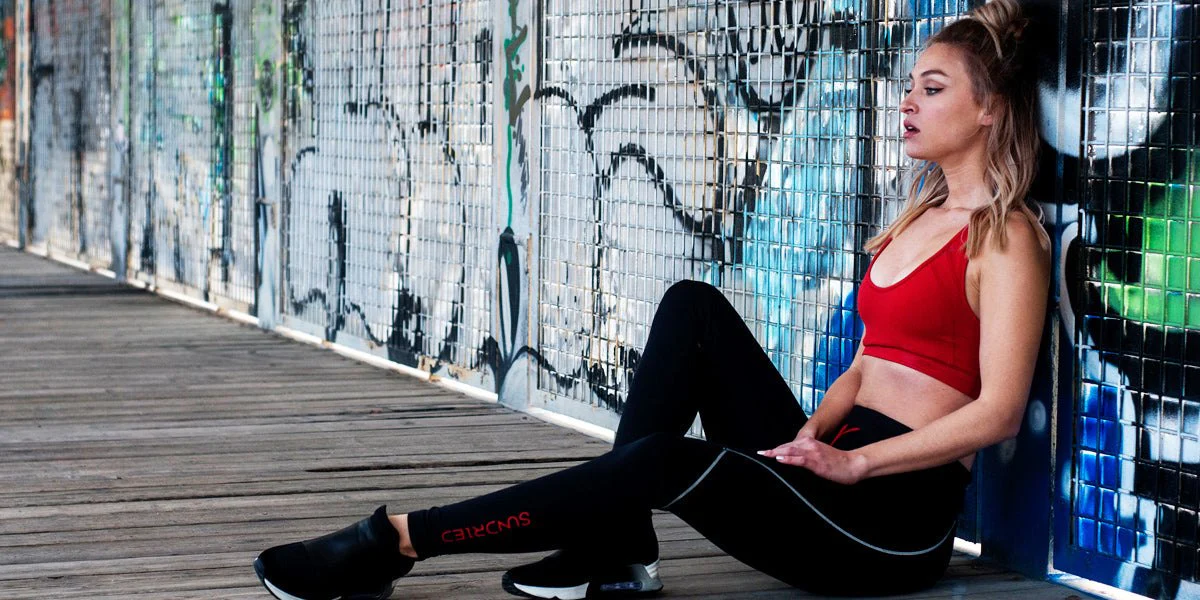
These activities place greater stress on muscles, which is where compression support may be beneficial.
Fabric Technology Behind Compression Clothing
Compression garments rely heavily on advanced textile engineering.
Common Compression Fabric Blends
| Fabric | Purpose |
|---|---|
| Nylon + Spandex | stretch and durability |
| Polyester + Elastane | moisture control |
| Seamless knit fabrics | comfort and flexibility |
From my experience working with activewear manufacturers, fabric selection is critical when developing high-performance compression garments.
Brands often collaborate with experienced suppliers when creating compression apparel.
👉 Custom Gym Wear Manufacturer
Manufacturers typically assist with:
- fabric sourcing
- performance testing
- product development
- large-scale production
Compression vs Regular Gym Wear Comparison
To summarize the differences, here's a quick comparison.
Quick Comparison
| Category | Compression Wear | Regular Gym Wear |
|---|---|---|
| muscle support | strong | minimal |
| comfort | moderate | high |
| mobility | high | high |
| sweat control | high | high |
| casual wear | limited | very suitable |
Both types of clothing have value depending on training goals.
How to Choose the Right Gym Wear
Choosing between compression and regular gym wear depends on several factors.
Consider These Factors
- Workout intensity
High-intensity training may benefit from compression gear.
- Personal comfort
Some athletes prefer looser clothing.
- Workout type
Different activities require different clothing styles.
In many cases, athletes use a combination of both types.
FAQ About Compression Clothing
Is compression clothing better for workouts?
It can improve muscle support and circulation during intense exercise, but regular gym wear may feel more comfortable for casual workouts.
Should beginners wear compression gear?
Beginners can use either option. Comfort and flexibility are usually the most important factors.
Does compression clothing improve athletic performance?
Some studies suggest it may help reduce fatigue and improve recovery.
Can compression clothing be worn all day?
Yes, but most athletes use it primarily during workouts or recovery periods.
Final Thoughts
Compression gym wear and regular gym clothing serve different purposes.
Compression garments focus on muscle support and performance, while regular gym wear prioritizes comfort and versatility.
From my experience working with fitness apparel brands, the best workout wardrobe often includes both compression gear and traditional gym clothing.
If you're interested in developing custom activewear products, you can learn more here:
Choosing the right gym clothing ultimately depends on your training style, comfort preferences, and performance goals.

