
Table of Contents
- Quick Answer
- What Is Compression Clothing?
- What Is Loose-Fit Gym Wear?
- Side-by-Side Comparison Table
- Which Is Better for Different Workout Types?
- Performance, Comfort & Recovery Explained
- Who Should Choose Compression?
- Who Should Choose Loose Fit?
- Common Mistakes People Make
- FAQs
- Work With Fuki Gymwear
Quick Answer
- High-intensity training, running, and muscle recovery → Compression
- Casual workouts, bodybuilding, and comfort-focused sessions → Loose fit
- Best overall solution → Mix both depending on training type
From my experience working with performance apparel development, the “best” option depends more on your workout goal than personal preference.
Let’s break it down clearly.
What Is Compression Clothing?
Compression gym clothing is designed to fit tightly against your skin.
It usually contains:
- 15–25% elastane (spandex)
- 4-way stretch fabric
- High shape-retention fibers
- Moisture-wicking technology
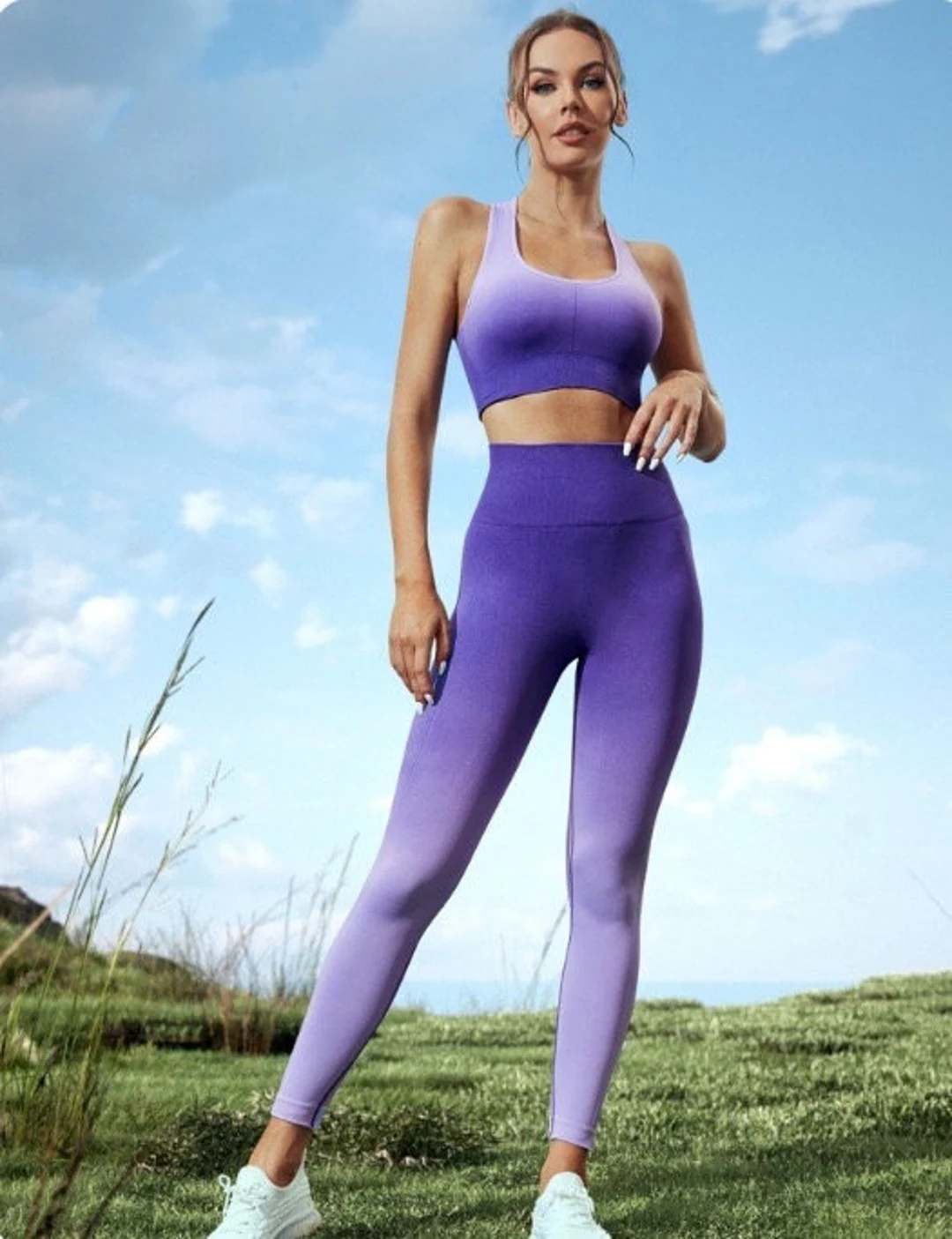
Brands like Under Armour popularized compression wear for muscle support and sweat control.
Key Benefits of Compression
- Muscle stabilization
- Improved blood circulation
- Reduced muscle vibration
- Faster sweat evaporation
- Streamlined silhouette
Compression gear is commonly used in professional sports environments.
What Is Loose-Fit Gym Wear?
Loose-fit gym wear is designed for airflow and unrestricted movement.
Typically made with:
- Polyester blends
- Cotton blends
- Relaxed silhouettes
- Lightweight knits
Brands such as Nike offer both compression and relaxed training lines for different workout preferences.
Key Benefits of Loose Fit
- Better airflow
- Psychological comfort
- Non-restrictive movement
- Casual street-style crossover
Loose fit is often preferred in bodybuilding and strength training environments.
Side-by-Side Comparison Table
| Feature | Compression Fit | Loose Fit |
|---|---|---|
| Muscle Support | High | Low |
| Sweat Control | Excellent | Moderate |
| Airflow | Moderate | High |
| Mobility | High stretch | Natural movement |
| Aesthetic | Athletic / Defined | Relaxed / Casual |
| Best For | Running, HIIT | Lifting, Casual Training |
Which Is Better for Different Workout Types?
HIIT & Cardio
Best Choice: Compression
Why?
- Less fabric movement
- Better sweat management
- Reduced friction
Weightlifting & Bodybuilding
Best Choice: Loose Fit
Why?
- No restriction during compound lifts
- Better airflow during rest sets
- Comfort for longer sessions
Running
Compression reduces muscle oscillation, which may reduce fatigue over time.
Yoga & Stretching
Both work.
If you want muscle feedback → compression.
If you prefer relaxed flexibility → loose fit.
Performance, Comfort & Recovery Explained
Many people ask:
Does compression actually improve performance?
Research suggests mild improvements in circulation and muscle recovery, but not dramatic strength increases.
In my professional experience:
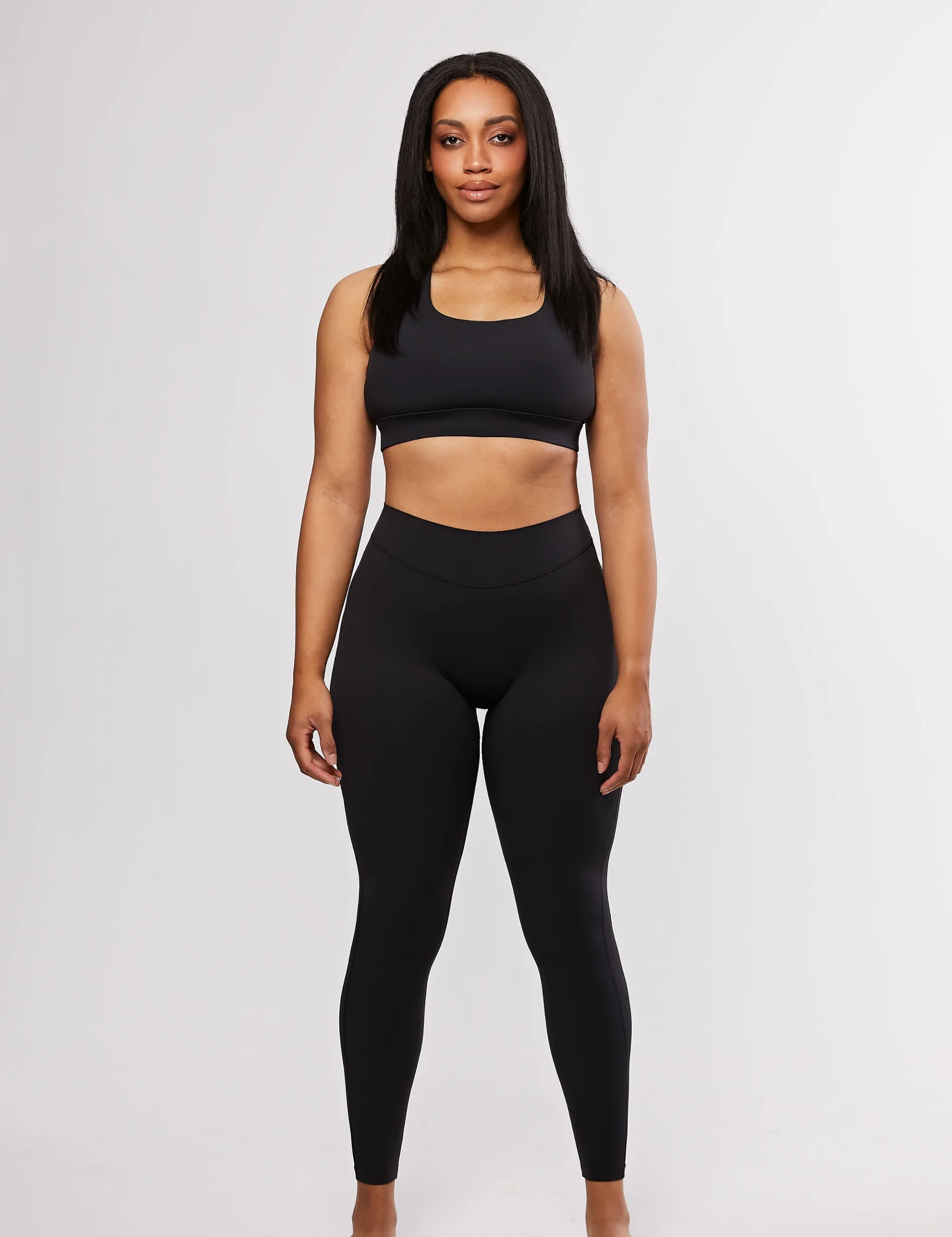
- Compression improves muscle awareness
- Loose fit improves overall comfort
Performance gains are subtle — comfort and consistency matter more.
Who Should Choose Compression?
Choose compression if you:
- Do intense cardio
- Sweat heavily
- Prefer a locked-in feel
- Want a defined athletic look
- Train outdoors in cooler climates
Compression is especially useful for base layers under winter gear.
Who Should Choose Loose Fit?
Choose loose fit if you:
- Lift heavy weights
- Train for aesthetics
- Prioritize airflow
- Prefer relaxed styling
- Wear gym clothes casually outside the gym
Loose-fit designs also transition better into streetwear.
Common Mistakes People Make
- Choosing compression that is too tight
- Wearing cotton compression for cardio
- Using loose cotton for high-sweat workouts
- Ignoring fabric quality
- Choosing based only on trends
Fit should support your workout — not distract you.
FAQs
Does compression build more muscle?
No. It supports muscle stability but doesn’t directly increase growth.
Is loose-fit gym wear less professional?
Not at all. It depends on training style.
Can I combine both?
Yes. Many athletes wear compression base layers under loose tops.
Which lasts longer?
Durability depends on fabric quality — not fit type.
Work With Fuki Gymwear
If you're developing a gym wear line, understanding fit structure is critical.
At Fuki Gymwear, we manufacture:
- Compression performance wear
- Structured loose-fit training apparel
- Custom fabric blends
- Private label activewear collections
We help brands design fit systems tailored to specific workout categories.
Final Verdict
There is no universal winner.
Compression = performance-focused precision.
Loose fit = comfort-focused freedom.
The smartest choice?
Use both — strategically.

