
Gymshark has grown from a small UK startup into one of the most recognized fitness brands in the world.
But one question many consumers — and even other activewear entrepreneurs — often ask is:
Where does Gymshark actually make its clothes?
As someone who has worked with multiple OEM and ODM factories across Asia and Europe, I can tell you that Gymshark’s manufacturing model is a smart, global operation designed for speed, quality, and flexibility.
Let’s take a deep look at where Gymshark apparel is made, how the brand maintains quality across continents, and what lessons new fitness brands can learn from its supply chain strategy.
Table of Contents
- Gymshark’s Global Manufacturing Overview
- Main Production Regions and Why They Matter
- How Gymshark Maintains Consistent Quality
- Ethics, Sustainability, and Transparency
- Comparison: Gymshark vs Other Activewear Brands
- Lessons for OEM & Private Label Brands
- FAQs
- About FuKi Gymwear – Trusted OEM Partner for Global Brands
1. Gymshark’s Global Manufacturing Overview
Although Gymshark is a British company headquartered in Solihull, UK, it doesn’t manufacture its products domestically.
Like most leading activewear brands, production happens in Asia and parts of Europe, where specialized factories offer advanced sportswear technology.
Key production goals:
- High-quality technical fabrics (stretch, compression, moisture-wicking)
- Consistent sizing and finish across all markets
- Scalable, low-MOQ production flexibility for frequent new drops
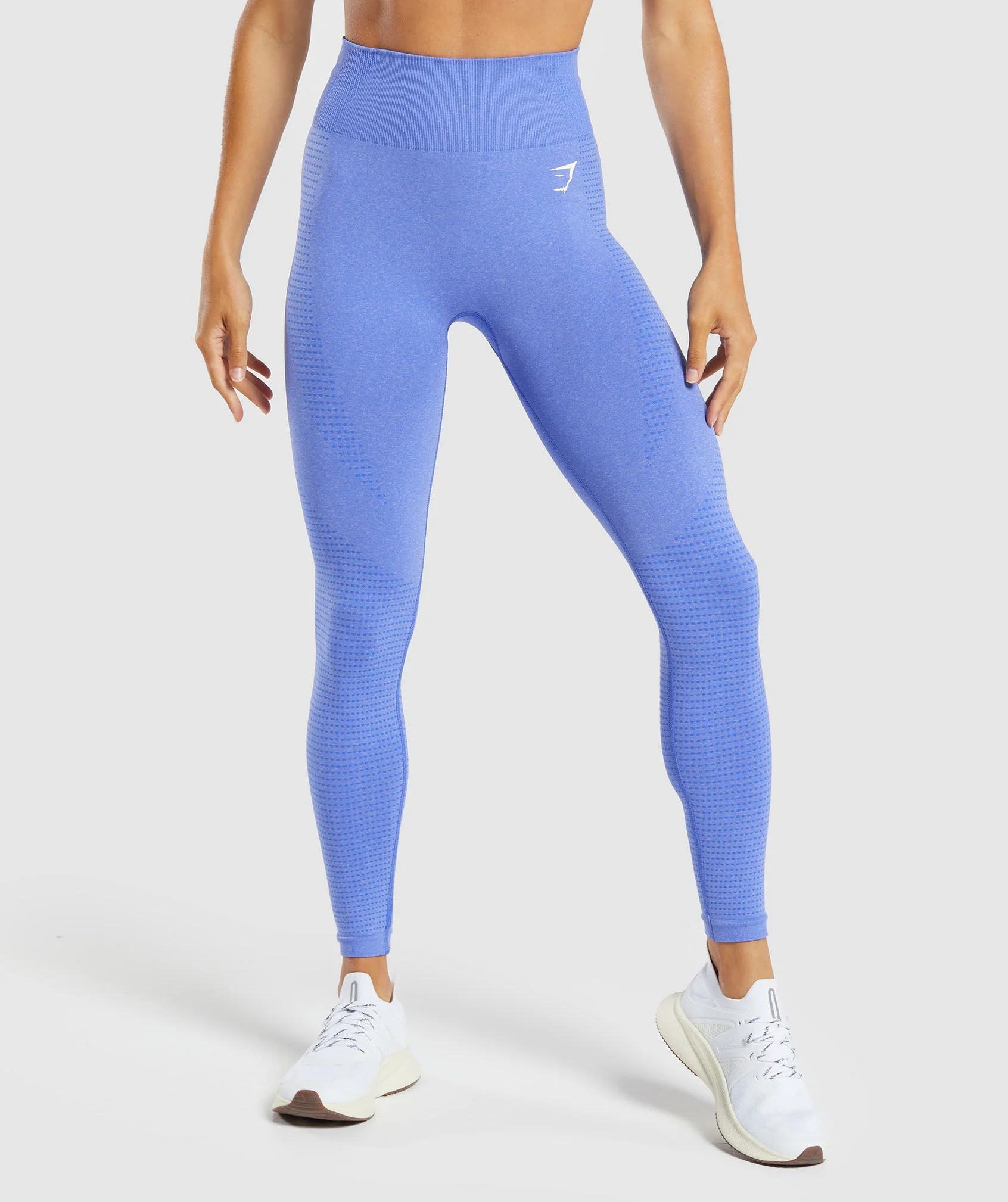
🧵 Gymshark doesn’t own factories — it collaborates with OEM/ODM partners, just like how FuKi Gymwear supports private labels worldwide.
2. Main Production Regions and Why They Matter
Gymshark’s sourcing network spans several countries, each chosen for specific strengths:
| Region | Main Focus | Why It Matters |
|---|---|---|
| China | Seamless knitwear, leggings, accessories | Advanced machinery, precise quality control |
| Vietnam | Performance fabrics, active tops | Strong infrastructure for sportswear exports |
| Turkey | Premium compression and lifestyle apparel | European proximity, quick turnaround |
| Bangladesh | Basic training wear and bulk orders | Cost efficiency for mass production |
| Portugal / Italy | Limited high-end collaborations | Known for craftsmanship and sustainability |
🌍 This regional mix allows Gymshark to balance speed, cost, and quality — a model smaller brands can emulate.
3. How Gymshark Maintains Consistent Quality
Gymshark’s success depends heavily on consistent feel and fit — whether you buy leggings in London or Los Angeles.
They achieve this through strict supplier management:
- Centralized product development in the UK
- Digital fabric testing and sampling before mass runs
- Approved material libraries for every supplier
- Ongoing QC audits through third-party inspections
🔍 This is the same approach top OEM manufacturers use — standardized specs + localized production = global consistency.
4. Ethics, Sustainability, and Transparency
Consumers today want to know not just where their clothes are made, but how.
Gymshark has improved transparency with initiatives like:
- Publishing supplier codes of conduct
- Partnering with factories that follow fair labor and environmental compliance
- Introducing recycled fabrics in key collections
- Reducing overproduction by improving forecasting accuracy
♻️ Gymshark’s direction mirrors what many OEMs — including FuKi Gymwear — are already implementing in sustainable manufacturing.
5. Comparison: Gymshark vs Other Activewear Brands
| Factor | Gymshark | Lululemon | Nike |
|---|---|---|---|
| Production Model | OEM partnerships (Asia/Europe) | OEM/ODM with sustainability focus | Owned + contracted factories |
| Key Countries | China, Vietnam, Turkey | Sri Lanka, Vietnam, Cambodia | China, Indonesia, Vietnam |
| Sustainability Level | Moderate, improving | Advanced | High but complex supply chain |
| Product Launch Cycle | Fast, social-driven | Seasonal | Campaign-driven |
📊 Gymshark’s advantage lies in agility — it can move faster than legacy brands with less operational overhead.
6. Lessons for OEM & Private Label Brands
If you’re building your own fitness label, Gymshark’s supply chain model offers key takeaways:
- Don’t over-centralize. Diversify suppliers by product category.
- Prioritize sampling speed. Fast prototyping helps capture trends.
- Maintain fabric consistency. Build your own approved fabric library.
- Partner long-term. Great manufacturing comes from trusted relationships.
- Work with OEM experts who understand sportswear performance.
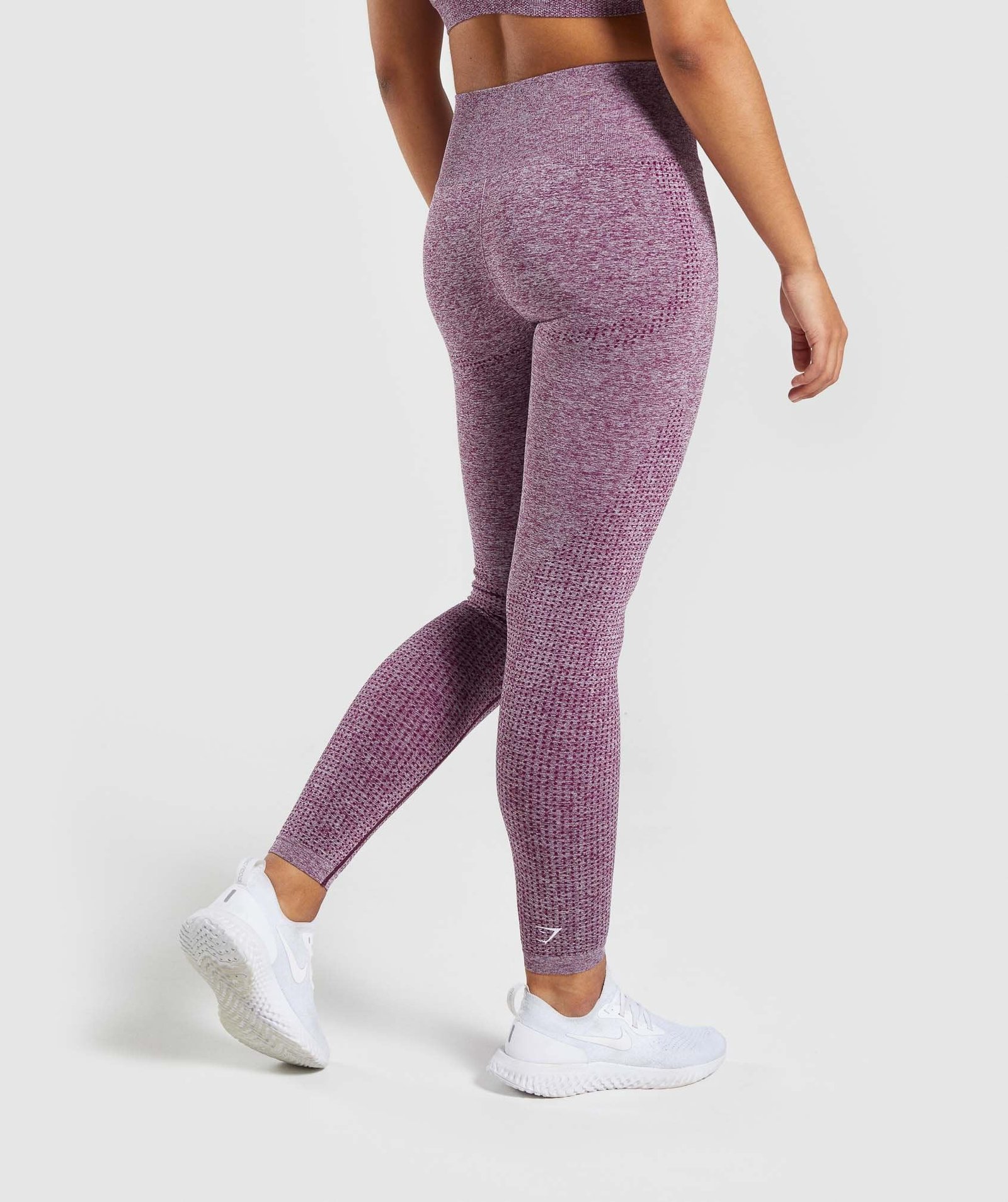
💡 At FuKi Gymwear, we help brands implement exactly this kind of flexible, multi-region strategy.
7. FAQs
Q1: Is Gymshark made in the UK?
No. Gymshark designs in the UK but manufactures mainly in Asia and parts of Europe.
Q2: Does Gymshark disclose its factory list?
Not fully, but they confirm working with ethical OEM partners who meet international labor standards.
Q3: Are Gymshark’s fabrics sustainable?
Partially — newer lines include recycled nylon and polyester, but most products still use synthetic blends for performance.
8. About FuKi Gymwear – Trusted OEM Partner for Global Brands
At FuKiGymwear.com, we help fitness startups and apparel brands build Gymshark-level quality without massive investment.
Our OEM/ODM solutions include:
- Custom performance fabrics (seamless, recycled nylon, compression blends)
- Low MOQ production (100 pcs) for emerging brands
- Private label services including tags, packaging, and branding
- Professional QC and global shipping support
- Sustainable material sourcing for eco-conscious collections
Explore our services:
