
The global activewear industry is entering a new phase in 2026. What used to be dominated by bold branding and trend-driven releases is now shifting toward fabric innovation, structural design, and long-term product durability.
From my experience working with performance apparel brands and OEM manufacturing projects, the brands that will succeed in 2026 are not the loudest — they are the most technically refined.
Let’s break down the key trends shaping the future of fitness fashion.
Table of Contents
- Quick Snapshot: 2026 in One Minute
- Why 2026 Is a Turning Point for Fitness Fashion
- Top 10 Activewear & Athleisure Trends in 2026
- Trend Comparison Table: 2024 vs 2026
- What Consumers Want in 2026
- How Brands Should Adapt
- Performance vs Lifestyle: Where the Line Is Now
- Mistakes to Avoid in 2026
- FAQs
- Build Your 2026 Collection with FuKi Gymwear
Quick Snapshot: 2026 in One Minute
If you want the short version:
In 2026, activewear is becoming:
- More structured
- More minimal
- More sustainable
- More technical
- Designed for gym-to-street crossover
From my experience working with performance apparel brands, 2026 isn’t about flashy logos.
It’s about:
- fabric engineering
- fit refinement
- versatility across multiple scenarios
Why 2026 Is a Turning Point for Fitness Fashion
Fitness culture has evolved dramatically in the last few years.
Several shifts are driving change:
- Hybrid training has become mainstream
- Remote work continues to influence clothing choices
- Consumers demand durability over fast fashion
- Sustainability expectations are rising globally
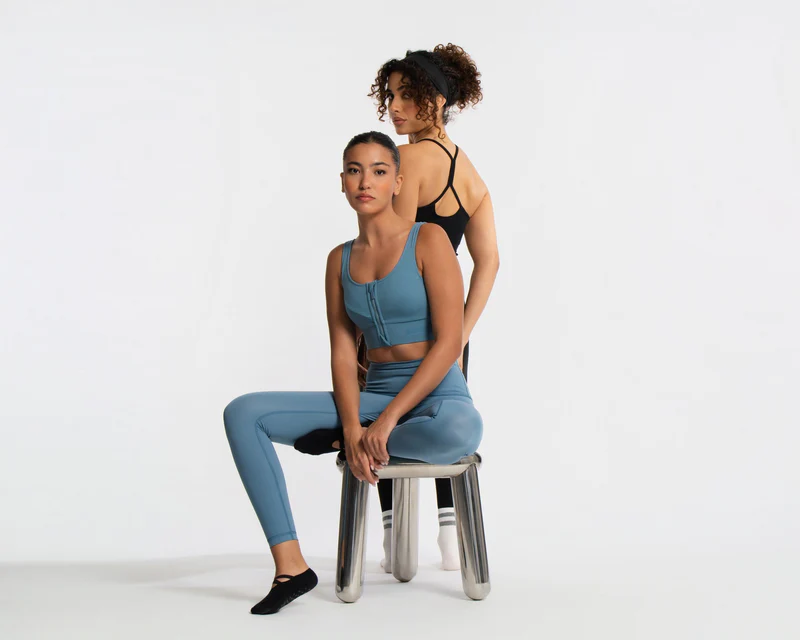
Major brands like Nike and Adidas are heavily investing in recycled materials and performance innovation.
The biggest difference in 2026?
Consumers are now paying attention to:
- fabric composition
- stretch recovery
- construction quality
Not just branding.
Top 10 Activewear & Athleisure Trends in 2026
1. Structured Minimalism
Silhouettes are oversized but tailored.
Logos are becoming smaller while garment construction becomes more refined.
2. Elevated Neutral Color Palettes
Trending colors include:
- Stone
- Washed olive
- Deep navy
- Warm beige
- Charcoal
Bright neon colors are declining in everyday athleisure.
3. Gym-to-Street Integration
Clothing must transition seamlessly from training to lifestyle wear.
Key features include:
- Matte finish fabrics
- Premium textures
- Clean seam construction
4. Smart Ventilation Engineering
Laser-cut panels and airflow mapping are becoming common in premium collections.
These improve breathability without sacrificing aesthetics.
5. Sustainable Performance Fabrics
Materials gaining popularity include:
- recycled polyester
- eco-nylon
- bamboo performance blends
Certifications are becoming increasingly important.
6. Compression Zoning 2.0
Instead of full compression garments, brands are using targeted compression zones for muscle support.
This improves comfort while maintaining performance.
7. Gender-Neutral Silhouettes
Unisex designs are increasing in popularity, particularly for:
- oversized hoodies
- outerwear
- training tops
8. Functional Storage
Hidden pockets and integrated compartments are trending in:
- joggers
- training shorts
- hybrid outdoor gear
9. Layering Systems
Collections are increasingly built as modular systems:
- Base layer
- Mid layer
- Outer shell
This encourages multi-piece purchases.
10. Durability Over Fast Fashion
Consumers are shifting toward fewer but higher-quality pieces.
Longevity is replacing rapid trend cycles.
Trend Comparison Table: 2024 vs 2026
| Feature | 2024 Focus | 2026 Focus |
|---|---|---|
| Logos | Bold branding | Minimal branding |
| Fabric | Basic stretch | High-recovery stretch |
| Color | Neon & bright | Neutral & muted |
| Sustainability | Optional | Expected |
| Fit | Tight or oversized | Structured relaxed |
What Consumers Want in 2026
Based on market feedback and OEM production demand, consumers increasingly prioritize:
- Sweat control
- Shape retention
- Multi-use styling
- Breathability
- Long-lasting durability
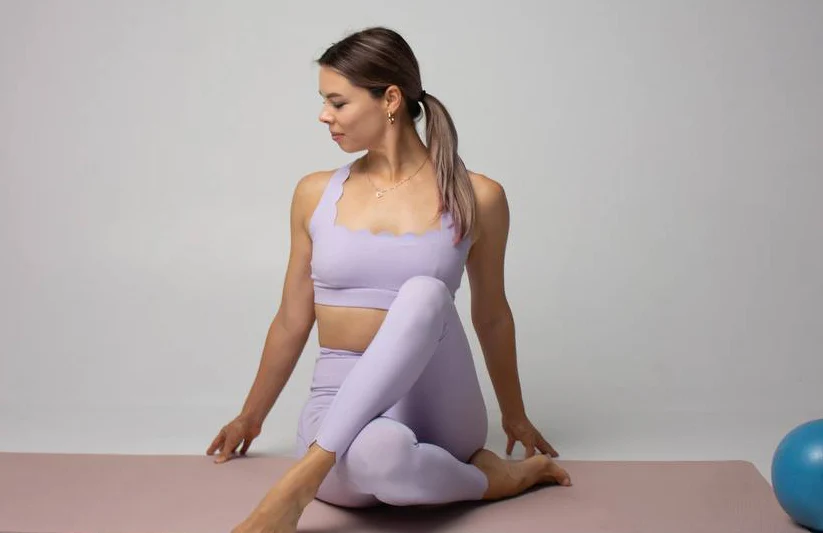
Interestingly, consumers now pay attention to details such as:
- fabric GSM
- stretch recovery
- moisture management
This level of awareness was rare five years ago.
How Brands Should Adapt
If you're building a 2026 activewear collection, focus on:
- Fabric-first development
- Clean pattern engineering
- Neutral core color palettes
- Hybrid performance-lifestyle products
- Transparent sustainable sourcing
Avoid chasing short-lived micro trends.
Instead, build structured essentials.
Performance vs Lifestyle: Where the Line Is Now
In 2026, performance wear and lifestyle clothing are merging.
True performance gear includes:
- moisture-wicking fabrics
- four-way stretch
- reinforced seams
Athleisure aesthetics include:
- structured silhouettes
- refined textures
- minimalist styling
The best brands successfully combine both.
Mistakes to Avoid in 2026
Brands should avoid:
- oversized garments without structure
- thin low-GSM fabrics
- excessive logo graphics
- ignoring durability testing
- treating sustainability as marketing only
Consumers today are more informed than ever before.
FAQs
Is athleisure still growing in 2026?
Yes. The category continues to grow, evolving toward more refined aesthetics.
Are bright colors disappearing?
Not entirely. They remain common in performance collections but less so in lifestyle athleisure.
Is sustainability truly important?
Yes. Sustainable materials and production practices significantly influence purchasing decisions.
What defines premium activewear in 2026?
Fabric quality, durability, fit engineering, and refined construction.
Build Your 2026 Collection with FuKi Gymwear
If you're planning your 2026 activewear or athleisure collection, product development should start with fabric engineering and performance structure.
At Fuki Gymwear we specialize in:
- structured performance apparel
- private label gym wear
- compression and relaxed-fit systems
- sustainable fabric sourcing
- technical sampling and development
We help brands create future-ready collections designed for both training performance and lifestyle wear.
Final Takeaway
Activewear in 2026 is no longer defined by branding alone.
The next generation of fitness apparel is built on four pillars:
Performance. Durability. Versatility. Sustainability.
Brands that master these will lead the next wave of the global activewear industry.
